logo
0

Newborn Urine Infection Symptoms: A Parent's Guide

Learn how to recognize newborn urine infection symptoms early, what causes UTIs in infants, and when to seek medical attention. Doctor-reviewed guide.

article image

Dr.Rohini priyanaka

When your newborn is unwell, it can feel impossible to know why. Newborn urine infection symptoms are notoriously easy to miss because babies cannot tell you what hurts, and the signs often look like dozens of other common illnesses. A urinary tract infection (UTI) in an infant is more serious than in an older child or adult, making early recognition genuinely important for your baby's health.

What Is a Urinary Tract Infection in Newborns?

A UTI happens when bacteria enter and multiply in the urinary tract, covering the kidneys, bladder, ureters, and urethra. In newborns, the infection often reaches the kidneys (pyelonephritis), not just the bladder, which makes it riskier than a simple bladder infection in an adult.

The most common cause is Escherichia coli (E. coli), which normally lives in the gut but can travel to the urinary tract. Other bacteria such as Klebsiella and Enterococcus are occasional culprits. Boys are more vulnerable in the first few months of life, particularly those who are uncircumcised, though UTIs can affect any infant.

Because detecting UTI in infants relies on a parent's observations and clinical tests rather than a child saying "it hurts when I wee," the condition is harder to catch early.

Early Signs and Symptoms to Watch For

Knowing what to look for is the first step. The signs of urine infection in babies are general and can overlap with many other conditions, but together they should prompt a call to your pediatrician.

Common newborn urine infection symptoms include:

  • A fever with no other obvious cause. Baby UTI fever is one of the most consistent early signs, particularly in the first three months of life.
  • Refusing feeds or feeding much less than usual.
  • Persistent crying or unusual irritability that is hard to soothe.
  • Urine that smells strongly foul or noticeably different from its normal mild odour.
  • Vomiting, sometimes repeatedly.
  • Lethargy or unusual drowsiness, where the baby seems harder to wake or less responsive than normal.
  • Jaundice that appears or lingers beyond the expected newborn period (reported in some cases).
  • Poor weight gain or noticeable weight loss.

A fever in a baby under three months old is always a medical emergency until proven otherwise, and UTI is one of the important causes to rule out.

Why UTIs Are Harder to Spot in Infants

Older children can describe pain on urination. Newborns give you none of that. Every symptom listed above also appears in viral infections, reflux, colic, or other bacterial illnesses. This overlap means parents and even clinicians can initially attribute the signs to something more benign.

UTI in infants symptoms are described medically as "nonspecific," meaning they do not point to one organ or one cause. A baby who is feverish and irritable after a feed could have a cold, an ear infection, or a UTI. The difference matters because an untreated UTI can spread from the bladder to the kidneys and cause lasting damage.

Trust your instincts as a caregiver and err on the side of calling your doctor sooner rather than later. Proper nappy hygiene also plays a role in prevention. Gentle cleaning from front to back and keeping the nappy area dry reduces the risk of bacteria reaching the urethra. For broader guidance on keeping your baby clean, see newborn hygiene and umbilical cord care basics.

When to Seek Medical Attention Immediately

Some situations require you to act the same day or go directly to an emergency department.

Go to a doctor or emergency care immediately if your baby:

  • Has a temperature at or above 100.4 degrees F (38 degrees C) and is under three months old.
  • Refuses two or more consecutive feeds.
  • Is difficult to wake, unusually limp, or not responding to you normally.
  • Has a high fever alongside a bulging fontanelle (the soft spot on the top of the head).
  • Appears very pale, has blotchy skin, or is breathing differently than usual.

Knowing when to see a doctor for a baby UTI is straightforward in these cases: do not wait to see if it resolves. In newborns, infections can deteriorate quickly and spread to the bloodstream (sepsis). When in doubt, get seen.

Diagnosis and Treatment Overview

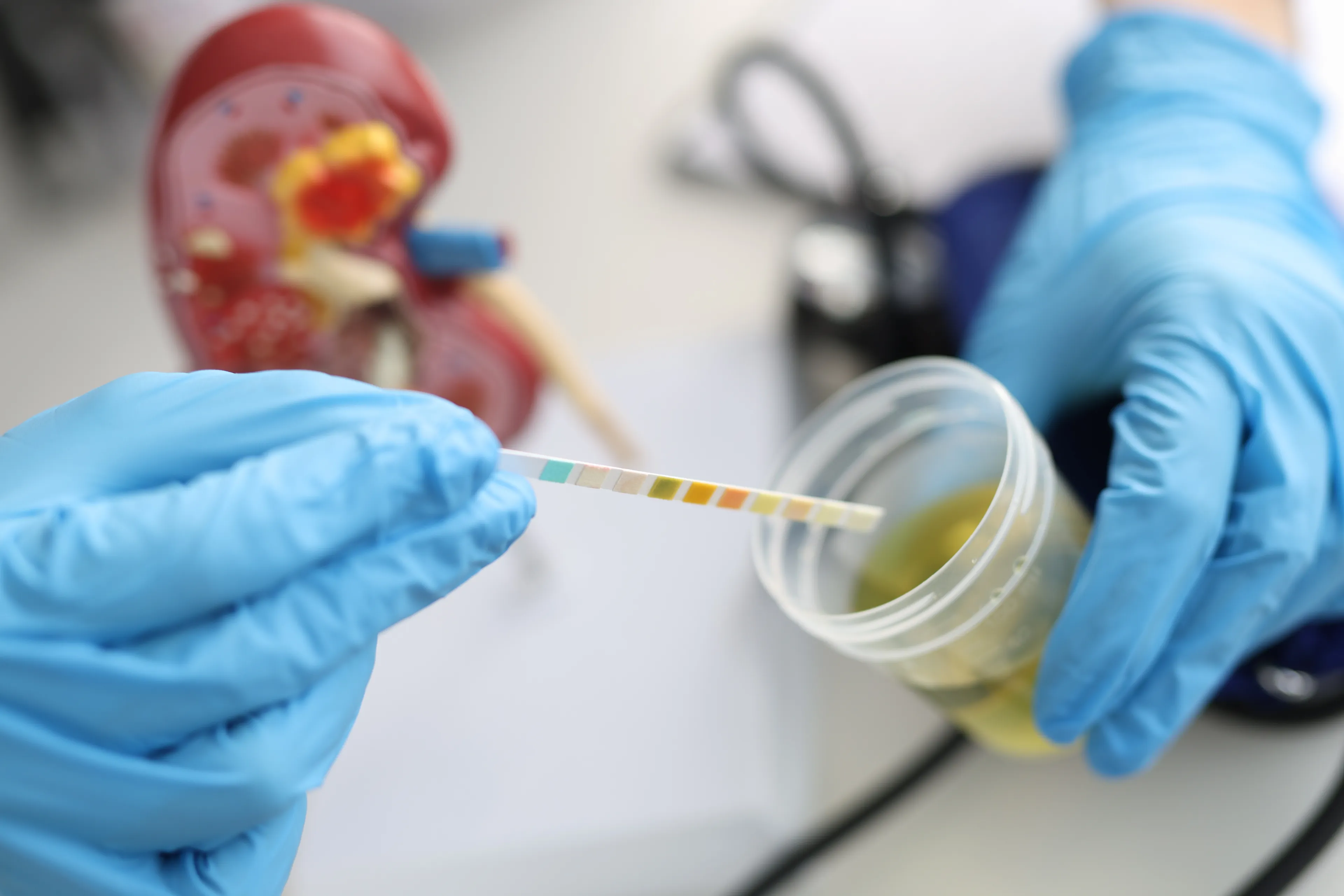
How to tell if a newborn has UTI requires a urine test, not just a physical examination. Your pediatrician will collect a urine sample and send it for a culture to identify the bacteria and the antibiotics it responds to.

For newborns, urine is usually collected by catheter or suprapubic aspiration to avoid contamination. A bag sample is not reliable in this age group.

Urine infection treatment for infants almost always involves antibiotics prescribed by a pediatrician. The specific antibiotic, dose, and duration depend on the baby's age, weight, and the bacteria identified. Very young or unwell infants are often treated in hospital with intravenous antibiotics initially, switching to oral antibiotics once the baby improves. A repeat urine culture after the course confirms the infection has cleared.

Adverse-event reporting: If your baby shows any unexpected reaction during antibiotic treatment, report it to your healthcare provider or the relevant regulatory authority (in India, this is the Central Drugs Standard Control Organisation, CDSCO) without delay.

Consult a doctor for urine infection. Never give any antibiotic to your baby without a prescription. 

Contraindications and Precautions

Several antibiotics used safely in older children or adults are not appropriate for newborns due to immature organ function and potential toxicity. Dosing in infants is calculated carefully by weight, and using the wrong drug, an incorrect dose, or stopping treatment early can make the infection harder to treat.

  • Never use leftover antibiotics from another family member or a previous illness.
  • Do not adjust the prescribed dose or stop the course early, even if your baby seems better.
  • Some antibiotic classes carry age-specific restrictions in neonates. Your pediatrician will choose a drug that is both effective and safe for your baby's weight and age.
  • Herbal remedies or home treatments are not substitutes for medical care in a newborn with a suspected UTI.

Conclusion

Urinary tract infections (UTIs) in newborns can be difficult to recognise because they may not always cause the typical urinary symptoms seen in older children and adults. Signs can include fever or low body temperature, poor feeding, vomiting, irritability, unusual sleepiness, jaundice, changes in urine, or poor weight gain. A newborn with a suspected UTI requires prompt medical assessment because infection can spread to the kidneys or bloodstream. Diagnosis generally involves appropriately collected urine samples and laboratory testing, while treatment may require antibiotics prescribed according to the baby's age, symptoms, and test results. Parents should not give leftover antibiotics or home remedies without medical advice. Any newborn with a temperature of 38°C (100.4°F) or higher, significant feeding difficulty, unusual lethargy, repeated vomiting, breathing problems, or other signs of serious illness should receive urgent medical evaluation.

FAQS

Can a UTI go away on its own in a newborn?

No. Unlike mild adult bladder infections, newborn UTIs require antibiotic treatment prescribed by a doctor. Without treatment, the infection can spread to the kidneys or bloodstream and cause serious complications.

How common are UTIs in newborns?

UTIs are among the more frequent bacterial infections seen in young infants, though exact figures vary by population and study. Boys are more often affected in the first few months; girls become more susceptible later in infancy.

Can a UTI harm my baby's kidneys?

Yes, if left untreated or if treatment is delayed. Repeated or severe infections can lead to kidney scarring, which may affect kidney function over time. This is one reason prompt diagnosis and a full course of antibiotics matters so much.

What does infected urine smell like in babies?

Urine from a baby with a UTI often has a stronger, distinctly foul odour compared to normal baby urine, which is quite mild. If you notice an unusual or unpleasant smell during nappy changes alongside other symptoms, mention it to your pediatrician.

Is UTI in newborns contagious?

No. The bacteria that cause UTIs come from the baby's own gut flora and are not passed from person to person. Standard handwashing and nappy hygiene remain important, but a baby with a UTI does not need to be isolated from family members.
Apollo 247 Floating Action Button