logo
0

Can I Use Wipes for Newborn Skin: A Safety Guide for Parents

Wondering can I use wipes for newborn skin? Learn when it's safe, what ingredients to avoid, and hygiene tips backed by pediatric guidance.

article image

Dr.Yusuf

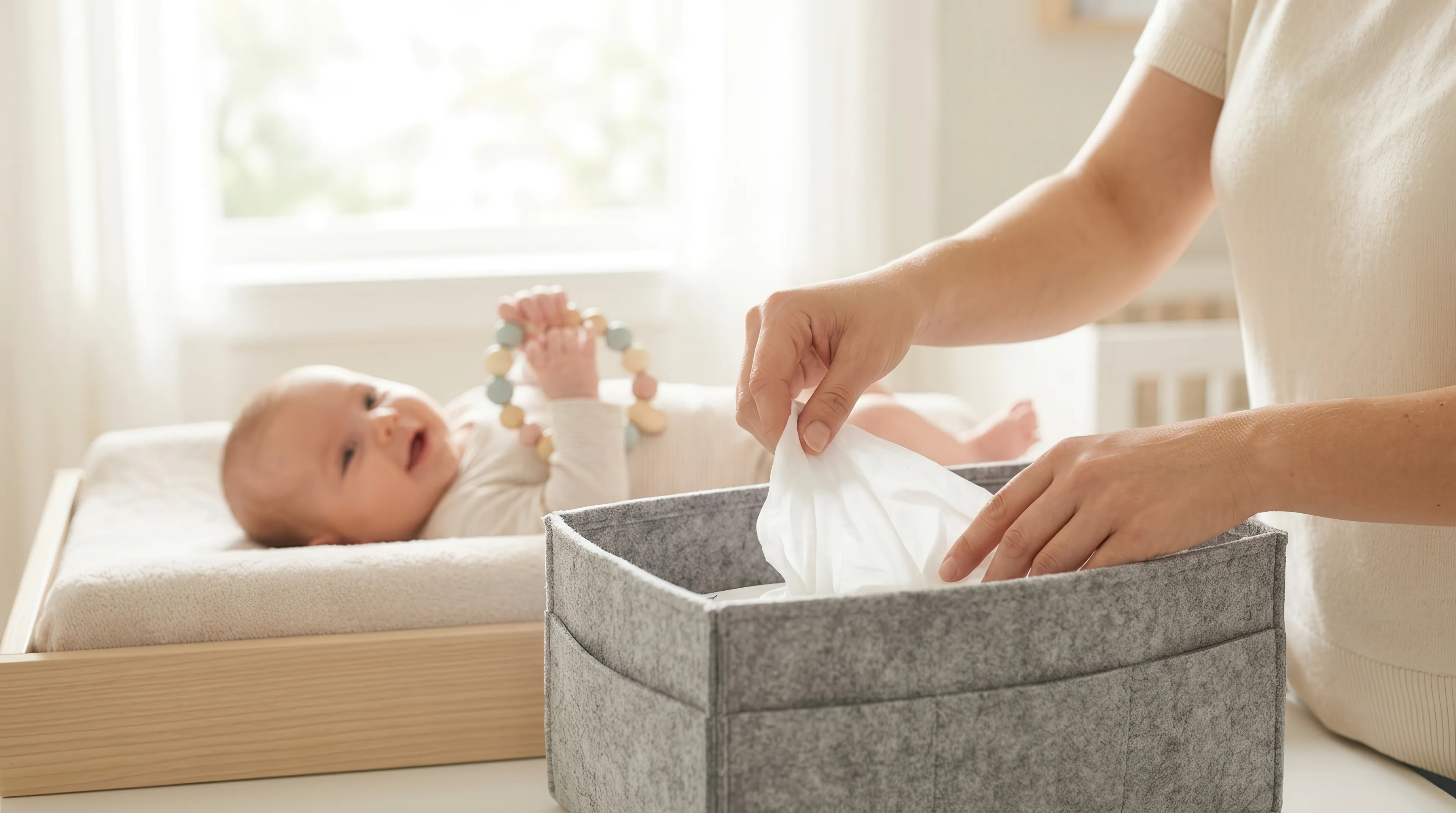
Caring for an infant's skin brings dozens of daily questions, and asking can I use wipes for newborn babies right away is one of the most common. A newborn's outer skin layer is up to 30% thinner than an adult's, making it sensitive to friction and chemicals. While pre-packaged wipes are convenient, using the wrong type or using them too early can disrupt your baby's delicate skin barrier, leading to dryness, redness, and painful diaper rashes.

Understanding how to clean newborn skin properly protects your baby from unnecessary discomfort. Knowing when to use plain water, how to spot safe ingredients, and when to pause wipe usage entirely will keep your newborn's skin healthy and soft.

Can You Use Wipes on a Newborn's Skin?

The short answer is yes, but with important caveats. In the first 2 to 4 weeks of life, pediatricians generally advise keeping cleansing routines as simple as possible. During this early window, plain warm water paired with soft cotton pads is the safest choice for diaper changes.

As your baby's skin barrier matures, introducing commercial wipes becomes practical. However, you must ensure the product is formulated specifically for fragile skin. If you are asking yourself, can I use wipes for newborn care during travel or middle-of-the-night changes, the answer is yes, provided you choose fragrance-free, water-dominant options. Always check with your pediatrician during your baby's first well-child visit before introducing new topical products to their daily routine.

When to Avoid Wipes in the First Weeks?

During the first 2 to 3 weeks of life, a newborn's skin is still adapting to the dry environment outside the womb. During this transitional phase, certain areas and situations call for skipping wipes altogether:

  • The umbilical cord area: Never use commercial wipes over or directly around the healing navel. Keeping this area clean and dry is essential. Learn how to care for your newborn's umbilical cord stump using sterile techniques until it falls off naturally.
  • The first few days of life: Newborns pass meconium, a thick, dark, sticky stool. Wiping aggressively with textured wipes can abrade tender skin. Soaking a soft cloth or cotton ball in warm water lifts meconium gently without friction.
  • Peeling skin: It is normal for babies born at term to have peeling, flaky skin during their first week. Rubbing these areas with wet wipes strips away natural protective oils.

For most healthy, full-term infants, pure water cleansing remains best until the skin barrier strengthens around week three or four.

How to Choose Safe Wipes for Sensitive Newborn Skin?

Once you decide to introduce wipes, selecting the right formulation is critical. The market is filled with options, but many contain hidden preservatives that trigger contact dermatitis in young infants.

Look for chemical-free baby wipes that contain minimal ingredients: ideally 99% pure water with a drop of fruit extract or skin-conditioning aloe.

When searching for the best wipes for newborn baby care, examine the ingredient label closely and avoid the following:

  • Synthetic fragrances and masking scents
  • Alcohol (ethanol or isopropyl alcohol), which strips moisture instantly
  • Parabens and phthalates
  • Methylisothiazolinone (MI) and methylchloroisothiazolinone (MCI),
  • strong preservatives linked to allergic skin reactions
  • Harsh surfactants like sodium lauryl sulfate (SLS)
  • Propylene glycol and excess essential oils

Remember that terms like "hypoallergenic" or "dermatologically tested" are marketing claims, not strict regulatory standards. Always read the ingredient list yourself. Safe wipes for newborn skin should feel soft, carry no scent, and leave no foamy or sticky residue on the skin.

Best Practices for Newborn Hygiene Beyond Wipes

Wipes are only one part of a broader newborn hygiene guide. Maintaining your baby's skin health involves simple, consistent daily habits:

Routine StepBest PracticeFrequency
Diaper Area CleansingUse warm water on cotton wool or high-water wipes; wipe front-to-backEvery diaper change
Full BathingLukewarm sponge or basin baths; mild soap on dirty areas only2 to 3 times per week
Skin Fold CareGently pat dry behind neck, armpits, and thighs to prevent chafingDaily
Diaper-Free TimeLet skin air-dry completely before fastening a clean diaper5 to 10 minutes daily

To practice sound newborn skin care tips, avoid rubbing the skin dry with towels. Patting gently prevents microscopic tears. If you ever notice chafing or need guidance on treating minor skin irritation or cuts, keep the area clean and consult your doctor rather than applying heavy medicated creams without clinical guidance.

Signs of Irritation or Allergic Reaction to Wipes

Even with mild products, your newborn may react to a specific preservative or fabric weave. Watch for these signs of a reaction:

  • Raised red bumps or small hives in the diaper region
  • A widespread bright red rash matching the shape of the wipe's contact area
  • Dry, cracked, or flaking skin across the buttocks and thighs
  • Fussiness or crying during diaper changes when the wipe touches the skin
  • Swelling or warmth in the groin area

If you spot any of these symptoms, stop using the wipes immediately. Revert to warm water and plain cotton balls for all diaper changes. If the redness does not improve within 48 hours, or if you notice blisters, oozing, or a fever, contact your pediatrician. Report adverse events to your healthcare provider or the relevant regulatory authority.

Contraindications and When to Avoid Wipes Entirely

Do not use commercial wipes on your newborn under the following conditions:

  • Over broken, cracked, bleeding, or weeping skin
  • When an active, diagnosed diaper rash or candidiasis (yeast infection) is present
  • On the delicate umbilical cord stump or healing circumcision site
  • If your baby has doctor-diagnosed atopic dermatitis or severe eczema, unless a specific therapeutic wipe is prescribed
  • If the baby was born prematurely, as premature skin lacks the
  • protective stratum corneum barrier and should only be cleaned with sterile water and cotton

When these conditions occur, clean exclusively with boiled, cooled water applied with sterile cotton balls, and let the area air-dry thoroughly before applying prescribed barrier ointments.

Conclusion

Baby wipes can be convenient for newborn diaper changes, but newborn skin is delicate and may be more sensitive to fragrances, preservatives, and other ingredients in some products. Parents can choose wipes specifically designed for newborns, preferably with simple formulations and without unnecessary fragrance or potential irritants, and should follow the manufacturer's guidance. Using plain water and a soft cloth can also be an option, particularly for babies with sensitive or irritated skin. Wipes should be used gently without excessive rubbing, and the diaper area should be allowed to dry before putting on a clean diaper. If a baby develops persistent redness, swelling, sores, blistering, or a worsening rash after using wipes, parents should stop the suspected product and consult a paediatrician or healthcare professional.

FAQS

Can I use wipes for newborn instead of water?

You can use high-water wipes if you are traveling, but plain warm water with cotton remains the gentlest option for the first month.

Are alcohol-free wipes safe for newborns?

Yes, alcohol-free wipes are generally safe, provided they are also free from added fragrances, parabens, and harsh synthetic preservatives.

What age can babies start using wet wipes?

Most paediatricians recommend waiting until your baby is 2 to 4 weeks old before introducing mild, water-based baby wipes.

Can baby wipes cause diaper rash?

Yes, wipes containing perfumes, alcohol, or harsh preservatives can cause contact dermatitis and worsen moisture-related diaper rash.

How do I clean my newborn's face without wipes?

Use a soft washcloth or cotton ball dipped in plain, lukewarm water, and gently wipe from the inner corner of the eyes outward.

Apollo 247 Floating Action Button