logo
0

Can I Use Wipes for a Newborn? A Safety Guide

Learn whether newborns can use baby wipes, which wipes are suitable for sensitive skin, ingredients to avoid, and safe wiping tips.

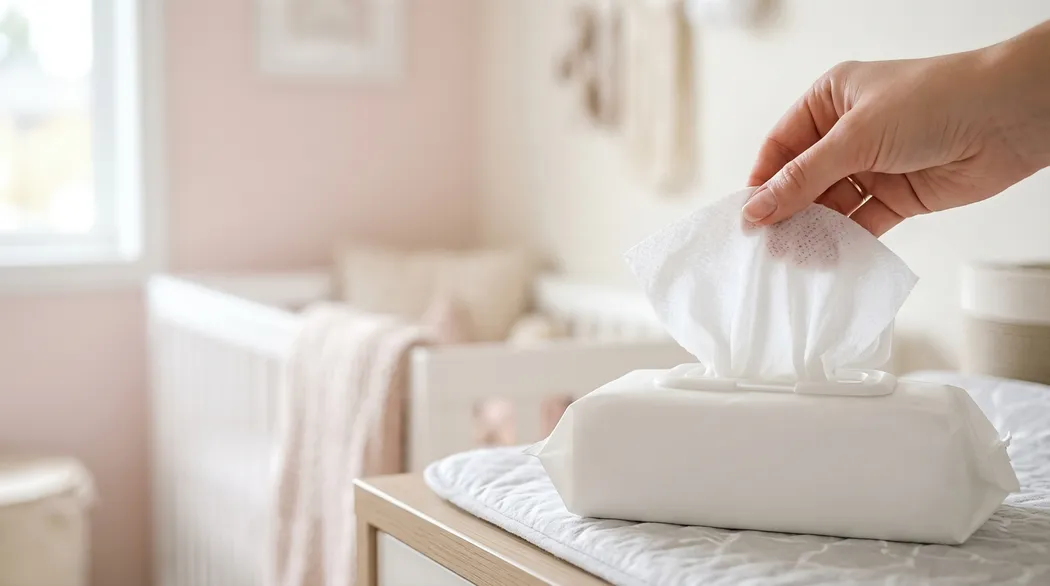
article image

Dr. Rohini priyanaka

Bringing a newborn home raises dozens of small but urgent questions, and "can I use wipes for newborn care right away?" is one of the most common. A baby's skin in the first weeks is far thinner and more permeable than adult skin, meaning what you apply matters. Getting this right from day one helps prevent rashes, irritation, and unnecessary discomfort for your little one.

Are Baby Wipes Safe for Newborns?

Yes, baby wipes for newborn skin can be safe, but timing and product choice both matter.

Most paediatricians suggest waiting until the umbilical cord stump has dried and fallen off (usually around 1 to 3 weeks after birth) before using wipes routinely. In those early days, a soft cloth dampened with warm water is the gentlest option for daily cleaning.

After the cord stump separates and the navel heals, gentle, purpose-formulated baby wipes are generally considered safe for diaper changes and spot cleaning. Always check with your child's paediatrician if you are unsure about when to start using baby wipes for your specific baby.

Risks of Using Wipes Too Early or Incorrectly

Newborn skin has a fragile acid mantle, the skin's natural protective barrier. Disrupting it can lead to:

  • Redness, dryness, or contact dermatitis from chemical ingredients
  • Diaper rash that becomes harder to treat
  • Irritation around skin folds where wipes are used repeatedly
  • Infection risk if the cord stump area is disturbed or kept moist

Are baby wipes bad for newborn skin? They can be, if the product contains alcohol, artificial fragrance, parabens, or preservatives that strip the skin barrier. Wipes that are too wet can also over-hydrate delicate skin folds, encouraging fungal growth.

Using wipes near an unhealed cord stump is a particular concern. Read how to care for your newborn's belly button for detailed guidance on keeping that area clean and dry during healing.

How to Choose Safe Wipes for Sensitive Newborn Skin

The best wipes for sensitive newborn skin share a few clear qualities. Look for the following on the label:

  • Fragrance-free: Choose wipes without added fragrance, as scented ingredients may irritate sensitive newborn skin.
  • Alcohol-free: Alcohol can dry the skin and may increase irritation, particularly when the skin is already sensitive.
  • pH-balanced: A mildly acidic formulation, often around pH 5.5, can be gentler on the baby's natural skin barrier.
  • Hypoallergenic and dermatologically tested: These labels may indicate that the product has been formulated and tested with sensitive skin in mind, although they do not guarantee that a reaction will not occur.
  • Fewer potentially irritating ingredients: Parents may prefer wipes without ingredients such as parabens, sulfates, or methylisothiazolinone (MI), particularly when the baby's skin is sensitive.

Ingredients to avoid:

IngredientWhy it's a concern
Artificial fragranceCommon allergen and irritant
Alcohol (ethanol, isopropyl)Strips skin barrier
ParabensPotential sensitiser
MI / MCI preservativesLinked to contact allergy
Sodium lauryl sulfateIrritating to delicate skin

Water-based fragrance-free baby wipes with minimal ingredients are a safe starting point, especially in the first few months.

Best Practices for Using Wipes on Newborns

These newborn skin care tips help reduce irritation and keep hygiene effective.

During diaper changes:

  • Always wipe front to back, especially for girls, to prevent bacteria from stool reaching the urethra.
  • Use one wipe per pass rather than scrubbing back and forth.
  • Pat the skin dry with a soft cloth after wiping; do not leave the area damp.
  • Allow a few minutes of air time before putting on a fresh diaper.

For general use:

  • Do a patch test on the inner wrist or thigh when trying a new product. Wait 24 hours and check for redness before using it more widely.
  • Store wipes in a sealed pack away from direct sunlight to prevent them drying out or harbouring bacteria.
  • Avoid wiping around the eyes and mouth unless the wipe is specifically labelled safe for the face.

How often should you wipe your newborn? Clean at every diaper change, typically 8 to 12 times a day in the first weeks. Outside of diaper changes, daily bathing with water is usually sufficient; over-wiping can dry out skin.

When to Consult a Doctor

See your baby's paediatrician if you notice:

  • A rash that spreads, blisters, or does not clear within 2 to 3 days of switching products
    Persistent redness or swelling around the diaper area or cord stump
  • Signs of an allergic reaction: hives, significant swelling, or unusual fussiness after a wipe is used
  • Any open sore, oozing, or foul smell near the cord stump

Early review prevents a minor skin issue from becoming infected. Report adverse events to your healthcare provider or to the Central Drugs Standard Control Organisation (CDSCO) through the relevant post-market surveillance pathway.

Contraindications and Precautions

There are situations where baby wipes should not be used:

  • Open skin or wounds: wipes can introduce irritants or bacteria. See guidance on treating minor skin cuts or wounds for safer alternatives.
  • Infected or actively weeping cord stump: keep the area dry; do not apply wipes.
  • Confirmed allergy to any listed ingredient: discontinue immediately and consult your paediatrician.
  • Premature babies: their skin barrier is significantly less developed; follow NICU team guidance exclusively.

Conclusion

Baby wipes can be convenient for newborn care, but choosing a gentle product and using it correctly is important because newborn skin is particularly sensitive. During the early days, especially while the umbilical cord stump is healing, cleaning with a soft cloth and warm water may be preferable. Once the area has healed, fragrance-free and alcohol-free wipes can be used for routine diaper changes if your baby tolerates them well. Avoid wipes on open or infected skin, around an actively weeping cord stump, or when your baby has a known sensitivity to an ingredient. If persistent redness, swelling, blistering, oozing, or other unusual skin changes develop, consult your paediatrician.

FAQS

Can I use wipes for a newborn's face?

Only if the wipe is explicitly labelled safe for facial use and is fragrance-free and alcohol-free. For the first few weeks, a damp soft cloth is safer for cleaning around the eyes, nose, and mouth.

Are water wipes better than regular baby wipes?

Water wipes (containing 99% water and a single mild preservative) have fewer ingredients and a lower chance of irritation, making them a good first choice for very young or sensitive babies. Standard baby wipes are fine as long as they are fragrance-free and alcohol-free.

Can baby wipes be used on the umbilical cord area?

No. Keep the cord stump dry and clean with a dry cotton swab or a corner of a soft cloth. Moisture from wipes can slow healing and raise infection risk.

How do I know if my baby is allergic to wipes?

Watch for redness, a bumpy rash, or swelling in the area where the wipe was used, appearing within minutes to a few hours. Stop using the product immediately and consult your paediatrician if the reaction persists or worsens.

Can I use adult wet wipes on my baby?

No. Adult wipes often contain fragrance, alcohol, and preservatives at concentrations that are far too strong for newborn skin and can cause significant irritation or allergic reactions.

Apollo 247 Floating Action Button