logo
0

Nipple Care Cream for Breastfeeding Mothers

Learn how nipple care cream can help breastfeeding mothers manage soreness, dryness, and cracked nipples, with tips on safe ingredients, application, and precautions.

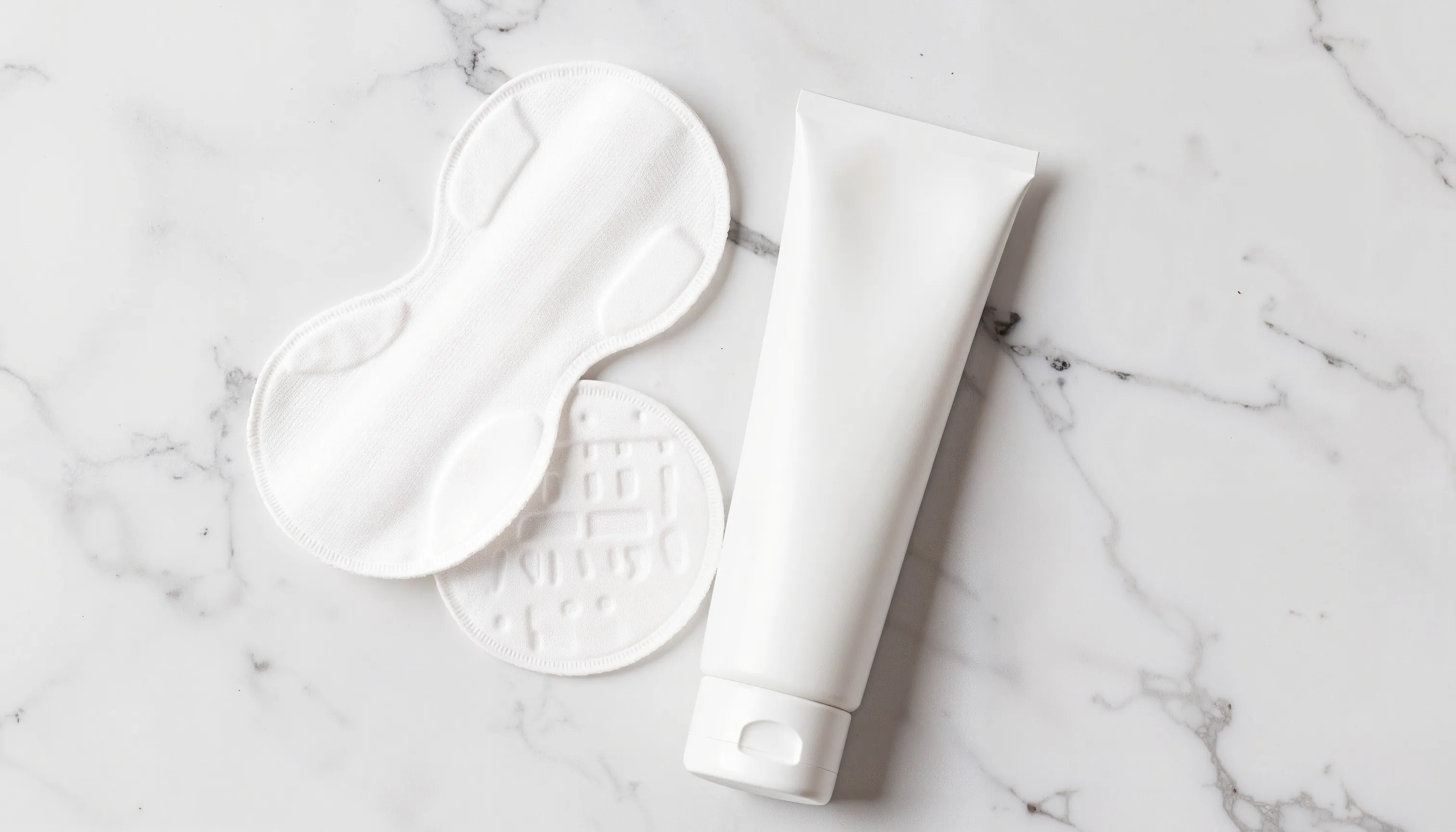
article image

Dr. Kamran

Sore, cracked nipples are one of the most common reasons new mothers consider stopping breastfeeding early. A good nipple care cream can make the difference between pushing through those first difficult weeks and giving up on something you wanted to do. This guide covers what these creams do, how to choose one safely, which nipple balm ingredients to look for (and which to avoid), and when home care is not enough.

What Is Nipple Care Cream and How Does It Help?

Nipple care cream is a topical product designed to soothe, moisturise, and protect the nipple and areola during lactation. Most formulations rely on lanolin, a waxy substance derived from sheep's wool, as their base ingredient. Lanolin creates a moist healing environment over cracked or raw skin without forming a hard barrier that blocks airflow.

Other formulations use plant-based alternatives such as shea butter, coconut oil, or calendula extract, making them suitable for mothers who prefer lanolin-free options or follow a vegan lifestyle.

The practical benefit is real. When skin stays moisturised between feeds, it repairs faster and hurts less at the next latch. Many mothers notice meaningful relief within two to three days of consistent use.

Common Causes of Sore and Cracked Nipples

Understanding why your nipples are sore helps you address the root cause rather than just masking the pain.

  • Shallow latch: When the baby takes mainly the nipple rather than enough of the areola, repeated friction during feeding can cause cracks and soreness.
  • Dry skin and low humidity: Dry conditions, including air-conditioned environments, can reduce moisture in already-stressed nipple skin.
  • Thrush: A yeast infection may cause burning or shooting nipple pain that persists despite correcting the baby's position. The nipples may appear pink or shiny.
  • Mastitis: This can cause breast redness, warmth, and flu-like symptoms and requires medical assessment rather than nipple cream alone.
  • Poorly fitting breast pump flange: An incorrect flange size can create friction and contribute to nipple soreness or cracking.

If pain is severe from the first day and your latch looks correct, ask a lactation consultant to check the baby for tongue-tie.

How to Choose and Use Nipple Care Cream Safely?

Understanding Nipple Balm Ingredients

Choosing the right nipple care cream starts with reading the label. Here is a breakdown of the most common nipple balm ingredients and what each one does:

IngredientTypeKey Benefit
Lanolin (ultra-purified)Animal-derivedSeals in moisture, speeds healing
Shea butterPlant-basedSoftens and soothes dry skin
Coconut oilPlant-basedLight moisturiser with mild antimicrobial properties
Calendula extractBotanicalGentle anti-inflammatory, suits sensitive skin
BeeswaxAnimal-derived Locks in moisture, protective barrier
Vitamin E oilPlant-derivedAntioxidant, supports skin repair

Most purified lanolin-based products are considered safe enough that you do not need to wipe them off before feeding. Plant-based balms with the ingredients above are similarly food-safe for the small amount a baby may ingest during feeding, but always confirm with your specific product label.

Ingredients to Avoid

Some nipple balm ingredients are not safe around newborns:

  • Camphor or menthol, which can be harmful if inhaled or ingested by a baby
  • Artificial fragrances and high-concentration essential oils
  • Parabens or preservatives not tested for infant safety
  • Petroleum-based occlusive agents that are not food-grade

How to Apply Nipple Care Cream?

  • Gently rinse the nipple area with warm water after a feed. Soap is not necessary and can cause dryness.
  • Pat dry with a soft cloth.
  • Apply a pea-sized amount to each nipple, spreading it lightly over the areola.
  • Leave it on. Most lanolin-based and plant-based creams marketed as nipple cream for breastfeeding mothers do not need to be wiped off before the next feed.
  • Repeat after every feed, or as often as needed.

For deeper cracks or slow-healing fissures, some lactation specialists recommend moist wound-healing dressings between feeds. Understanding general wound healing basics for cracked skin can help explain why keeping the area moist speeds recovery rather than slowing it.

Contraindications and When to Avoid Certain Products?

Not every mother should use every nipple cream. This section matters.

  • Wool allergy or lanolin sensitivity: If you react to wool clothing, you may react to lanolin as well. Signs include increased redness, itching, or a rash that worsens after application. Switch to a plant-based cracked nipple cream and consult your doctor.
  • Active nipple infection: Applying a thick cream over a fungal or bacterial infection can trap the organism and worsen it. Treat the infection first, then resume moisturising.
  • Open, bleeding fissures: Deep cracks that bleed need medical review before you apply any over-the-counter product. A doctor may prescribe a specific healing preparation.
  • Botanical allergies: Plant-based balms can contain shea butter or nut-derived oils. Always check the full ingredient list if you have known food or plant allergies.

Report adverse events such as worsening pain, new rash, or unusual skin changes to your healthcare provider or the relevant regulatory authority.

Prevention Strategies for Sore Nipples

Prevention is far easier than healing once cracks have formed.

  • Get your latch assessed early: Before leaving the hospital, ask a nurse or lactation consultant to observe a full feed and provide feedback on positioning and latch.
  • Air-dry after feeds: Allow the nipples to air-dry for a few minutes after feeding to support skin recovery between cream applications.
  • Change breast pads frequently: Replace damp breast pads regularly to keep the nipple area dry and reduce prolonged moisture exposure.
  • Use breast shells: If your nipples are very sensitive, breast shells can help prevent clothing from rubbing against the nipple between feeds.
  • Apply breast milk: Applying a small amount of your own breast milk to the nipple after feeding may help soothe minor irritation.
  • Avoid very hot water: Keep showers brief and avoid directing hot water directly onto the nipples, as excessive heat can strip natural skin oils.

Consistent small habits make a larger difference than any single product. You can find related newborn care tips, including hygiene practices, in this related newborn care guide for belly button hygiene.

When to See a Doctor?

Some nipple problems go beyond what sore nipple remedies can address at home. Seek medical attention if you notice any of the following:

  • Bleeding that does not stop or a crack that is not healing after one week of consistent care
  • Fever above 38 degrees C, body aches, or a red, warm, hard area in the breast (signs of mastitis)
  • Shooting or burning nipple pain that persists throughout and between feeds (possible thrush)
  • A nipple that changes shape, has a new lump, or shows skin changes unrelated to breastfeeding
  • Any reaction you suspect is linked to a product you are using

A lactation consultant, your obstetrician, or a general physician can help identify whether you need an antifungal, an antibiotic, or a prescription-strength preparation. Do not delay care because you hope the cream will eventually work.

Conclusion

Nipple care cream can help soothe and protect sore, dry, or mildly cracked nipples during breastfeeding, but it should not replace addressing the underlying cause of pain. Correcting a shallow latch, checking breast pump fit, and seeking help for possible infections are important parts of recovery. Choose a breastfeeding-compatible product with ingredients suited to your needs, and follow the product's instructions for application and whether removal is required before feeding. If you develop worsening pain, significant redness or warmth, persistent burning, deep or bleeding cracks, or signs of infection, consult a healthcare professional or lactation consultant.

FAQs

Is it safe to use nipple cream every time I breastfeed?

Yes, most nipple creams formulated for breastfeeding are safe to apply after every feed. The key is choosing a product with food-safe ingredients and confirming on the label that it does not need to be wiped off before nursing.

Do I need to wash off nipple cream before feeding?

Most purified lanolin-based and plant-based nipple creams do not require removal before feeding. However, always read your specific product's instructions, as formulations containing any ingredient not considered infant-safe will state that it must be wiped off.

Can nipple cream be used during pregnancy?

Many mothers use a gentle nipple balm in the third trimester to begin conditioning the skin before breastfeeding starts. Stick to products with simple, food-safe nipple balm ingredients and check with your midwife or doctor if you have any concerns.

What ingredients should I avoid in nipple cream?

Avoid camphor, menthol, artificial fragrances, parabens, and high-concentration essential oils. These are either potentially harmful to a newborn or likely to irritate already-sensitive skin.

How long does it take for cracked nipples to heal?

With correct latch and consistent use of a cracked nipple cream, mild cracks usually improve within three to five days. Deep or infected fissures may take longer and often need medical treatment alongside topical care.

Apollo 247 Floating Action Button