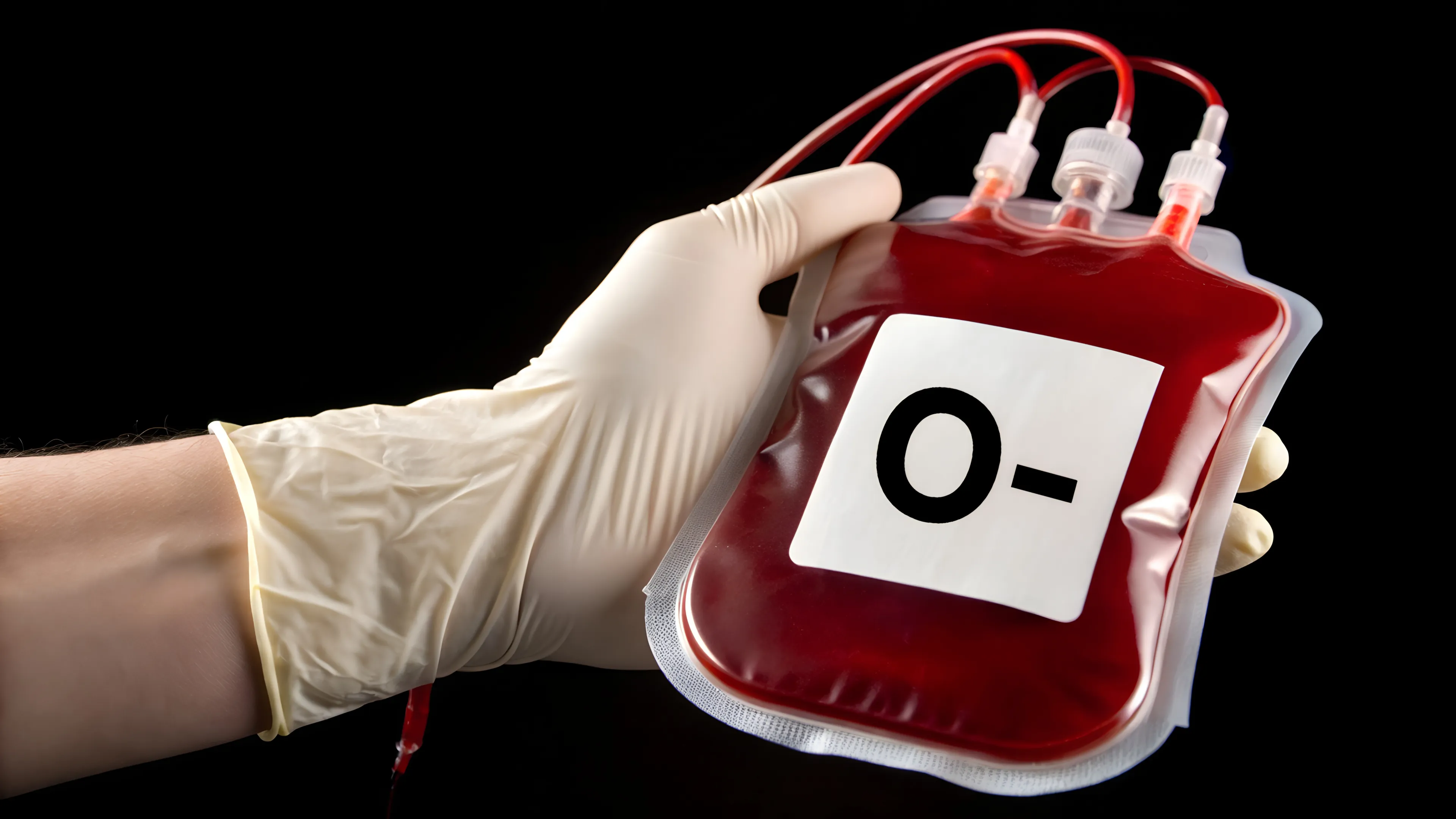
Rh Factor and Pregnancy: Risks for O Negative Mothers
Rh factor in pregnancy is one of the most important clinical considerations for any woman who is Rh negative. Here is why.
During pregnancy, a small number of the baby's blood cells can cross the placenta into the mother's bloodstream. If the baby has inherited an Rh positive blood type from the father, the mother's immune system may recognise the Rh(D) antigen as foreign and produce antibodies against it. This process is called Rh sensitisation.
In a first pregnancy, sensitisation rarely causes serious problems for that baby because the immune response develops slowly. The real risk comes in subsequent pregnancies. If the next baby is also Rh positive, the mother's pre-formed antibodies cross the placenta and attack the baby's red blood cells. This condition, hemolytic disease of the newborn (HDN), can cause severe anaemia, jaundice, heart failure, or, in the most serious cases, stillbirth.
What triggers sensitisation?
Sensitisation can occur not just at delivery but also after:
- Miscarriage or threatened miscarriage
- Ectopic pregnancy
- Amniocentesis or chorionic villus sampling
- Abdominal trauma during pregnancy
- Antepartum haemorrhage
Preventing HDN: The anti-D injection
Anti-D immunoglobulin works by clearing fetal Rh positive cells from the mother's blood before her immune system can form antibodies. Administered at key points in pregnancy, it has made rh negative pregnancy complications largely preventable.
Guidelines generally recommend offering anti-D to Rh negative women around 28 weeks of pregnancy and again within 72 hours of delivery if the baby is confirmed Rh positive. It is also given after any of the sensitising events listed above. Your obstetrician will confirm the schedule appropriate for your situation, as protocols can vary between centres.
Early prenatal blood typing and an indirect Coombs test (to check for existing Rh antibodies) are standard steps at the first antenatal visit for all Rh negative women.