logo
0

Oats for Infants: Guide to Introducing Oats

Learn when babies can eat oats, their nutritional benefits, safe preparation methods, suitable oat types, allergy signs, and feeding tips.

article image

Dr. Kamran

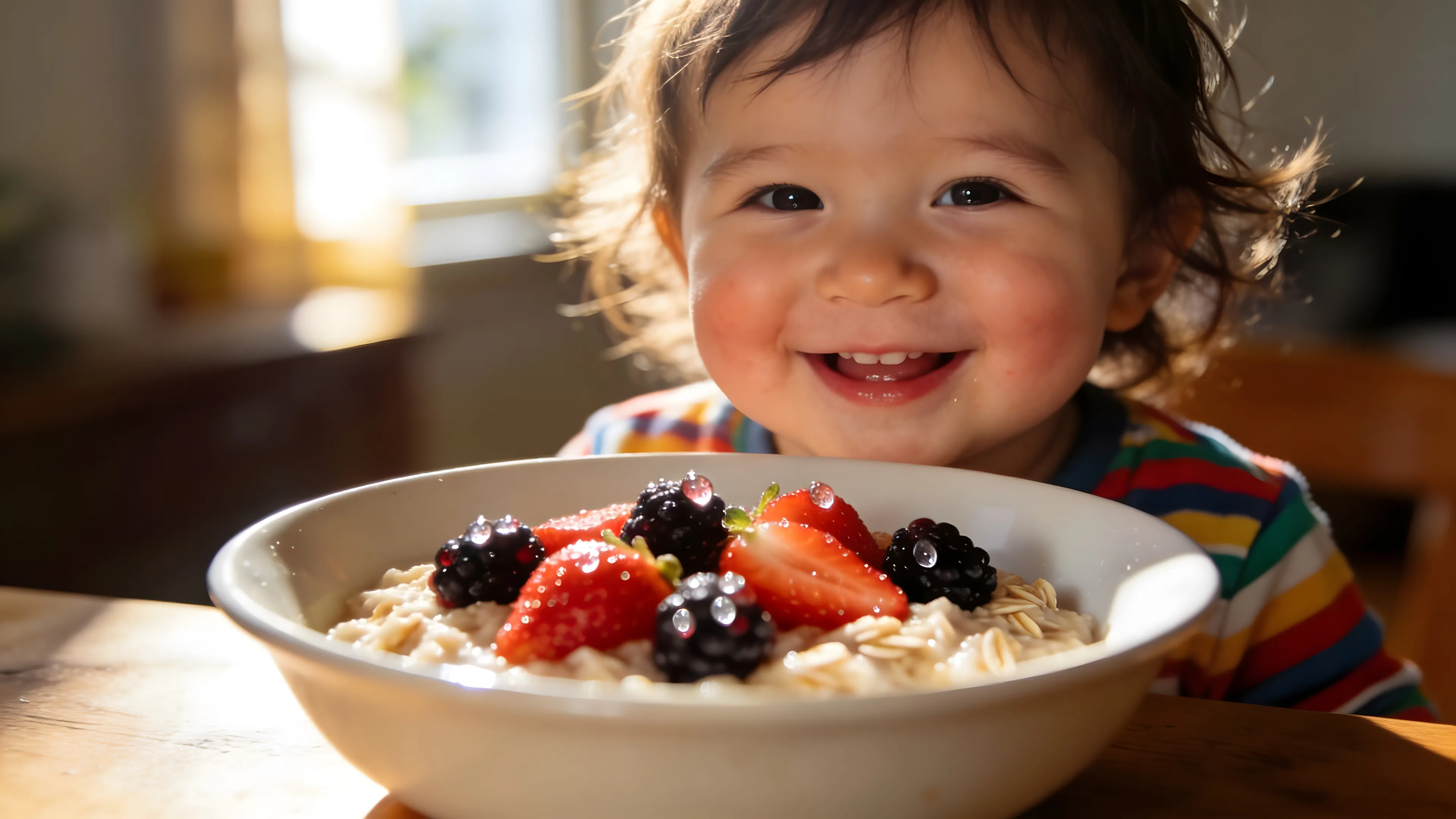
Starting solid foods is one of the most exciting milestones in your baby's first year, and oats for infants are often among the earliest foods parents reach for. Oats are easy to prepare, gentle on tiny tummies, and packed with nutrients that support your baby's growth. Knowing when to start, how to prepare them safely, and what to watch for can feel overwhelming, so this guide covers everything you need.

When Can You Start Giving Oats to Infants?

Most babies are ready to begin solid foods at around 6 months of age. This aligns with general weaning guidance from major paediatric health bodies, which recommend exclusive breastfeeding or formula feeding for the first six months, after which complementary foods can be gradually introduced.

Oats are safe for 6-month-old babies, as long as your child shows these developmental signs:

  • They can hold their head steady and sit upright with minimal support.
  • They show interest in food, leaning forward and opening their mouth.
  • The tongue-thrust reflex (pushing food out with the tongue) has faded.
  • They have roughly doubled their birth weight.

If your baby ticks these boxes, plain oat porridge is a sensible, nutritious first food. Introduce one new food at a time and wait several days before adding another. For broader newborn and infant care context, the newborn care essentials guide is a useful starting point.

Nutritional Value of Oats for Babies

Oats are genuinely good for babies, not just a convenient pantry staple. They offer a solid range of nutrients:

  • Soluble fibre, including beta-glucan, which supports healthy digestion and helps keep stools soft.
  • Plant-based iron, important because breast milk alone may not meet iron needs after 6 months.
  • Protein, which supports muscle growth and tissue repair.
  • B vitamins and magnesium, which contribute to energy metabolism and bone development.

Here is an approximate nutritional snapshot of plain rolled oats (per 100 g dry weight):

NutrientApproximate Amount
Nutrient Approximate0 kcal     
Carbohydrates66 g
Protein13 g
Total Fat7 g
Dietary Fibre10 g
Iron4 to 5 mg
Calcium50 to 55 mg

Values are approximate and vary by brand and processing method. Infant portions are much smaller than 100 g, so actual nutrient intake per feed will be proportionally lower.

The beta-glucan in oats forms a gel-like consistency during digestion, which slows glucose absorption and keeps stools soft. This is one of the clearest benefits of oats for babies who are adjusting to solids.

How to Prepare Oats for Infants (Step-by-Step)?

How you cook oats for a baby depends on your child's age and chewing ability. The three methods below progress with developmental stage.

Method 1: Smooth Oat Porridge (6 to 8 months)

This is the standard oatmeal for 6-month-old babies just starting solids.

  • Grind plain rolled oats into a fine powder using a blender or dry grinder.
  • Add 2 tablespoons of oat powder (dry, uncooked) to 120 ml of water, expressed breast milk or formula.
  • Cook on low heat, stirring continuously, for 3 to 5 minutes until thick and smooth.
  • Cool to lukewarm. Test on your wrist before feeding.
  • Start with 1 to 2 tablespoons of the cooked porridge per sitting. If your baby accepts it, you can gradually add mashed banana, pureed apple, or well-cooked pureed carrot over subsequent feeds.

Do not add salt, sugar, or honey. Honey is unsafe for babies under 12 months.

Method 2: Fruit-Mixed Oat Puree (7 to 9 months)

Once your baby has accepted plain oats and a few fruits individually, you can combine them.

  • Cook oats as above, then blend with pureed ripe banana, steamed apple, or cooked pear.
  • The natural sweetness of fruit is sufficient. No added sugar is needed.
  • Thin the puree with a little breast milk or formula if the consistency is too thick.

Method 3: Soft Oat Finger Foods (10 months and above)

As your baby develops their pincer grip, soft oat-based pieces work well for self-feeding.

  • Mix cooked oats with mashed banana and a little expressed breast milk.
  • Spread onto a flat tray, flatten to about 1 cm thickness, and bake at 150 degrees C for 12 to 15 minutes until just set.
  • Break into small, soft pieces before serving. Avoid adding nuts, seeds, or honey.

Always supervise your baby during mealtimes.

Choosing the Right Oats: Rolled, Instant, or Steel-Cut

Not all oats suit infant feeding equally.

Plain rolled oats (old-fashioned oats) are the best choice. They cook quickly, grind easily, and contain no additives. Steel-cut oats take longer to cook and have a coarser texture, but when ground and cooked thoroughly, they are nutritionally comparable. They simply require more preparation time.

Instant oat packets marketed for adults or older children are often unsuitable. Many contain added sugar, salt, artificial flavours, or maltodextrin. Always check the ingredient label: the only ingredient should be oats. This makes plain rolled or ground oats the right basis for any oats porridge for infants.

Organic oats are not nutritionally superior to non-organic varieties. If pesticide residue is a concern, certified organic options are available, but the priority is buying from a trusted brand with clear, minimal labelling.

Signs of Oat Allergy or Intolerance

Oat allergy in infants is uncommon but possible. Oats contain a protein called avenin, which can trigger a reaction in sensitive children, particularly those with a family history of allergic conditions.

Follow the 3-day wait rule when you introduce oats: offer the same food for three consecutive days before adding another new food. This makes it easier to identify the cause if a reaction occurs.

Watch for these symptoms after feeding:

  • Skin rash, hives, or an eczema flare-up.
  • Swelling of the lips, face, or tongue.
  • Vomiting or repeated spitting up shortly after the meal.
  • Unusual fussiness or crying during or after feeding.
  • Diarrhoea or blood in stool (seek medical attention promptly if this occurs).

If you notice any of these signs, stop feeding oats and speak to your paediatrician before trying again. Report adverse events to your healthcare provider or the relevant regulatory authority.

Contraindications and When to Avoid Oats

Certain situations call for extra caution or a conversation with your doctor before introducing oats.

  • Coeliac disease risk: Oats do not naturally contain gluten, but most commercially available oats are processed in facilities that also handle wheat, barley, or rye, which means cross-contamination is common. For babies with a confirmed diagnosis of coeliac disease, or a strong family history that raises concern, use only oats that are certified gluten-free. Do not assume standard supermarket oats are safe for these infants without medical guidance.
  • Known grain allergy: If your baby has already reacted to wheat or another grain, consult your paediatrician before introducing oats.
  • Unresolved gut issues: Babies with ongoing vomiting, persistent diarrhoea, or unexplained failure to gain weight should be assessed by a doctor before new foods are introduced.
  • Under 6 months: Introducing any solid food, including oats, before 6 months is not recommended. The infant’s gut and swallowing reflex are not mature enough, and early solids carry a risk of aspiration and digestive upset.

When in doubt, check with your baby's doctor before starting.

Conclusion

Oats can be a nutritious complementary food for babies from around 6 months when they are developmentally ready for solids. Start with plain, well-cooked oats and gradually adjust the texture as your baby develops feeding skills. Avoid added salt, sugar and honey, and introduce oats in an age-appropriate way while continuing breast milk or infant formula. If your baby has allergies, persistent digestive symptoms, or coeliac disease concerns, consult a paediatrician before introducing oats.
FAQs

How much oats should a baby eat daily?

Start with 1 to 2 tablespoons of cooked porridge per sitting and gradually increase to 3 to 4 tablespoons as your baby gets used to solids. There is no fixed daily maximum, but solid foods should complement milk feeds, not replace them, in the first year.

Can oats cause constipation in babies?

Oats are unlikely to cause constipation; the soluble fibre and beta-glucan they contain generally help keep stools soft. If your baby does become constipated after starting solids, check whether overall fluid intake is adequate and speak to your paediatrician.

Is oat milk safe for infants?

Oat milk is not suitable as a main drink for babies under 12 months. It does not have the nutritional profile of breast milk or infant formula and cannot replace either. Small amounts used in cooking from around 6 months are generally considered acceptable, but always check with your doctor first.

Can I give oats to my baby every day?

Yes, oats can be part of a daily diet once your baby has tolerated them well across several feeds. Variety is important though, so rotate oats with other grains, vegetables, and protein sources to broaden your baby's palate and nutrient intake.

Do oats need to be organic for babies?

Organic oats are not nutritionally superior to conventional ones. If you prefer to limit pesticide exposure, certified organic oats are a reasonable choice, but the more important factor is choosing plain oats with no added sugar, salt, or flavourings.

Apollo 247 Floating Action Button