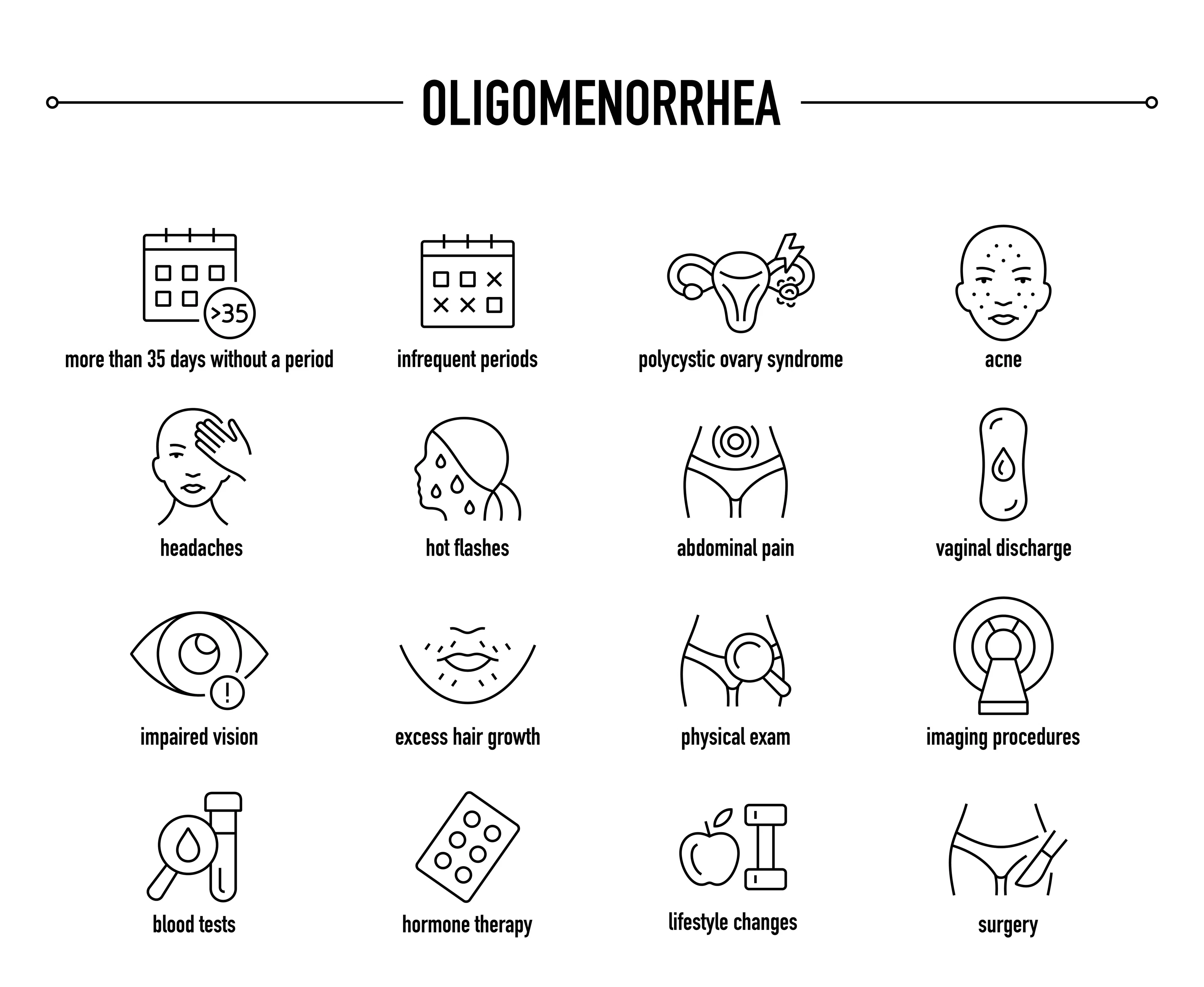
Treatment Options for Oligomenorrhea
Oligomenorrhea treatment depends on the underlying cause. There is rarely a single universal answer.
Lifestyle changes
For women whose infrequent menstruation is linked to low body weight, over-exercise, or high stress, targeted lifestyle adjustments often restore regular cycles without any medication. Gradual weight restoration, moderating training load, and structured stress management can be genuinely effective.
Nutritional deficiencies sometimes contribute to hormonal imbalance. Where a documented shortfall exists, your doctor may assess micronutrient status as part of the workup. For general nutritional support during recovery, a healthcare provider may suggest options such as general wellness support for nutritional gaps, though any supplement should be taken under medical advice.
Treating the underlying cause
- PCOS is managed with lifestyle modification first. When medication is needed, doctors may prescribe agents that improve insulin sensitivity or regulate ovulation, depending on whether fertility is a priority.
- Thyroid disorders are treated with appropriate thyroid medication; cycles often normalise once hormone levels are corrected.
- Hyperprolactinemia responds well to dopamine agonist medications, which lower prolactin and restore ovulation in many women.
- Where documented vitamin D deficiency is a contributing factor, vitamin D3 supplementation relevant to hormonal health may be included in a broader treatment plan on your doctor's advice.
Hormonal therapy
When no correctable underlying cause is found, or while an underlying condition is being treated, hormonal therapy may regulate the cycle. Options include combined oral contraceptive pills or cyclic progesterone, chosen based on the woman's age, fertility plans, and health history. Discuss goals openly with your gynaecologist before starting any hormonal regimen.
Common side effects associated with hormonal treatments can include nausea, headache, breakthrough bleeding, breast tenderness, and mood changes. Combined oral contraceptive pills carry a small but recognised risk of venous thromboembolism (blood clots). Report adverse events to your healthcare provider or the relevant regulatory authority.