logo
0

Online Pregnancy Test Apps: Do They Really Work?

Curious about fingerprint pregnancy test apps? Learn what actually works, how digital pregnancy tests differ, and when to see a doctor. Read now.

article image

Dr.Ezhilrasan

If you have searched for an "online pregnancy test fingerprint app," you are not alone. Millions of people every month look for quick, private ways to check for pregnancy without leaving home. The hard truth is that while some digital tools can genuinely support your journey, others are pure fiction. This guide separates what actually works from what is simply a viral gimmick, so you can make a safe, informed decision.

Can a Fingerprint App Really Detect Pregnancy?

No fingerprint scanning app can detect pregnancy. Full stop.

Pregnancy is confirmed by detecting a hormone called human chorionic gonadotropin (hCG) in urine or blood. Your fingerprint contains no hCG, no hormone data, and no chemical signal that any smartphone sensor can read. Apps on popular app stores that claim to detect pregnancy through a fingerprint are entertainment tools at best and deliberately misleading at worst.

Your phone's fingerprint reader is a biometric sensor designed solely to match the ridge patterns on your skin for identity verification. It cannot measure hormones, blood chemistry, or any physiological marker of pregnancy.

Using a fingerprint pregnancy test online also carries a privacy risk, since many such apps collect personal data without clear consent policies. If you are genuinely worried about pregnancy, skip these tools entirely and reach for a method that actually works.

What 'Pregnancy Test Apps' Actually Do?

Not every pregnancy app is a gimmick. The category is broad, and the useful ones are very different from fake fingerprint scanners.

Symptom tracker and cycle calendar apps log your period dates, ovulation windows, and physical symptoms. They can flag that your period is late and suggest testing, but they are not diagnosing pregnancy. Think of them as a well-organised diary, not a diagnostic device.

Strip-reading apps are more interesting. Some apps ask you to photograph a urine test strip and use image analysis to help you read faint lines. They still depend entirely on a physical urine pregnancy test kit producing the chemical reaction. The app just helps you interpret the result visually.

Early pregnancy symptom checker apps ask about nausea, breast tenderness, fatigue, and a missed period. They can prompt you to test, but pregnancy test app accuracy for symptom-based predictions is limited because most early symptoms overlap with PMS and other conditions.

None of these apps replaces a urine or blood test. They are aids, not answers.

Digital Pregnancy Tests vs Traditional Strip Tests

When people ask about a "digital pregnancy test," they usually mean a branded test kit that displays the words "Pregnant" or "Not Pregnant" on a small screen rather than showing a line.

The underlying science is identical across both formats.

FeatureDigital pregnancy testLine-strip test
Detection methodhCG in urinehCG in urine
Readout formatWord display on screenOne or two coloured lines
Risk of misreading    Lower (words are clear)Slightly higher with faint lines
CostHigherLower
SensitivitySimilar across quality brandsSimilar across quality brands

Digital tests do not detect hCG earlier or more reliably than a good quality strip test at the same sensitivity level. Their main advantage is clarity. A faint second line on a strip can cause genuine confusion; "Pregnant" on a screen does not. Both are valid home pregnancy test options. Choose based on your budget and how confident you feel reading lines.
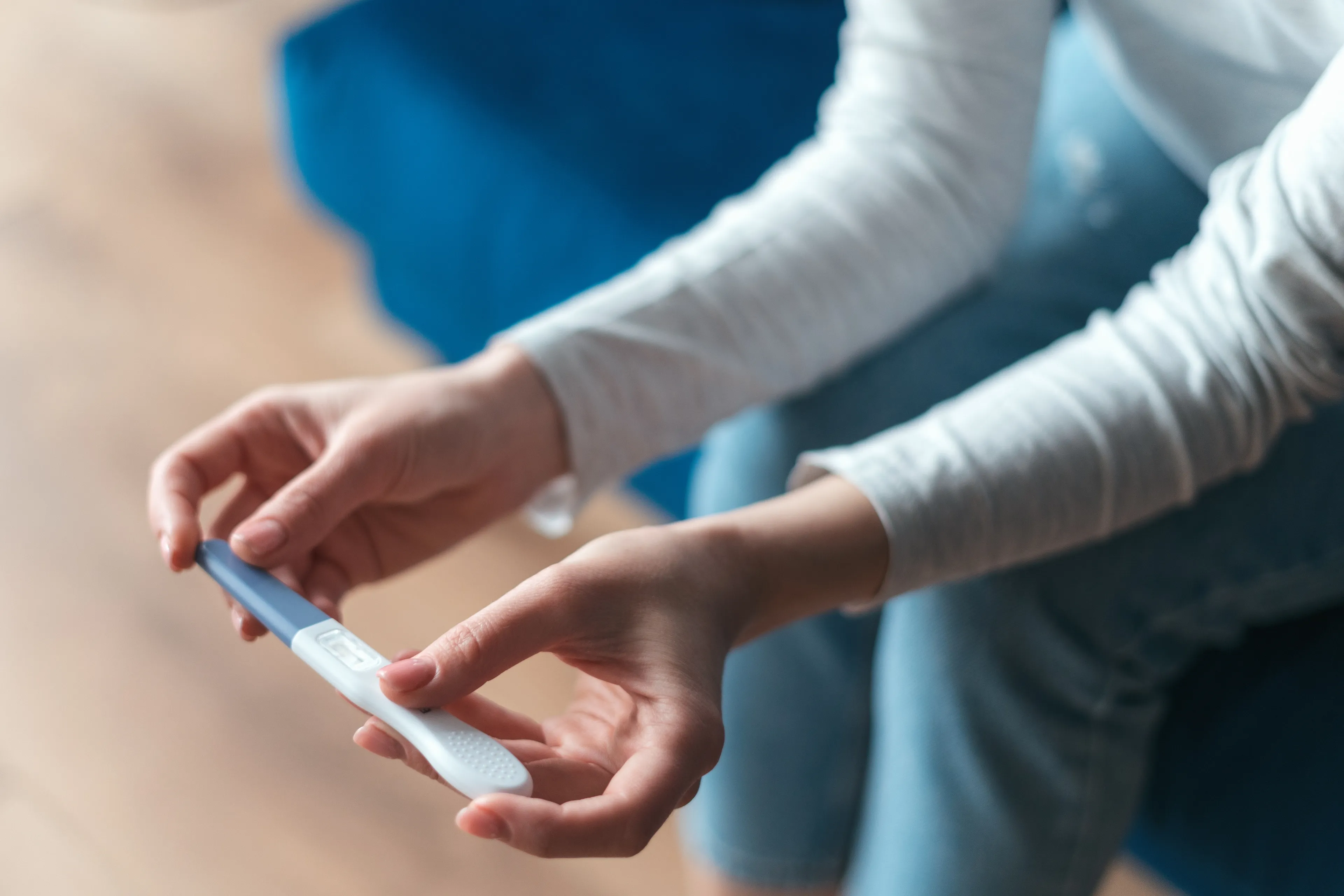
How to Use a Home Pregnancy Test Correctly?

Timing and technique matter more than the test brand.

  • Test after a missed period for the most reliable result. Testing too early risks a false negative because hCG levels may not yet be high enough to detect.
  • Use your first morning urine. It is most concentrated, giving hCG the best chance of reaching the test threshold.
  • Follow the instructions for your specific kit. Most require holding the strip in the urine stream for 5 to 10 seconds.
  • Wait the full development time, usually 3 to 5 minutes, before reading the result.
  • Do not read the result after the window stated in the instructions, typically 10 minutes. Evaporation lines can appear late and mimic a positive.

Home pregnancy tests from reputable manufacturers are highly accurate when used correctly after a missed period. A positive result on a quality urine pregnancy test kit is reliable enough to act on. A negative result with ongoing symptoms warrants a retest in 48 to 72 hours or a visit to your doctor.

Contraindications and Situations Requiring Medical Testing

A home pregnancy test is appropriate for most people, but certain situations reduce its reliability or make medical testing essential.

Conditions and circumstances that can affect accuracy:

  • Fertility treatments involving hCG injections, such as trigger shots used in IVF cycles, can cause a false positive because injected hCG remains in circulation.
  • Some rare tumours of placental tissue or certain ovarian conditions can produce hCG even without pregnancy, leading to a false positive.
  • A recent miscarriage or termination may leave residual hCG in the blood for several weeks, so a home test may still read positive when a new pregnancy is not present.
  • Very dilute urine, from drinking excessive fluids before testing, can produce a false negative.
  • Certain medications prescribed for other conditions may interfere with results. Always mention current medications to your doctor when interpreting any test.

Report adverse events to your healthcare provider or the relevant regulatory authority if you suspect a test device has malfunctioned or given a result inconsistent with your clinical picture.

If you fall into any category above, a quantitative blood hCG test ordered by a doctor is the correct next step. It measures the exact amount of hCG rather than simply detecting its presence, giving a clearer clinical picture.

When to Consult a Doctor?

A positive home test is a starting point, not a final diagnosis. Book an appointment with an OB-GYN promptly after a positive result to confirm pregnancy through a blood test or ultrasound, estimate gestational age, and begin antenatal care.

You should also see a doctor if:

  • You get a positive result after recent use of fertility medications or a recent pregnancy loss.
  • You get repeated negative results but your period has not arrived, and pregnancy symptoms persist.
  • You experience pelvic pain or bleeding alongside a positive test, which may indicate an ectopic pregnancy requiring urgent care.

Once your pregnancy is confirmed and you are ready to think ahead, our newborn care guide for after pregnancy confirmation is a helpful early read.

Conclusion

Online pregnancy tests and fingerprint-based pregnancy apps may offer questionnaires, symptom tracking or entertainment features, but they cannot reliably detect pregnancy from a fingerprint, phone sensor or symptoms alone. Pregnancy is confirmed by detecting human chorionic gonadotropin (hCG), usually through a urine pregnancy test or a blood test. If you suspect pregnancy, use a validated home pregnancy test according to the instructions, preferably after a missed period, and consider medical testing if the result is unclear. A healthcare professional can provide further evaluation and guidance, particularly if you have a positive result or experience pain, heavy bleeding, dizziness or fainting.

FAQS

Can a fingerprint scan detect pregnancy?

No. A smartphone fingerprint sensor reads skin ridge patterns for identity verification only. It cannot measure hormones or any biological marker of pregnancy. Any app claiming otherwise is not medically valid.

How early can a pregnancy test detect pregnancy?

Most quality urine pregnancy test kits can detect hCG from around the first day of a missed period. Some high-sensitivity strips claim detection a few days earlier, but results are less reliable before the missed period date.

Are online pregnancy test predictors reliable?

Online symptom checkers and cycle calculators can suggest that testing is a good idea, but they cannot confirm pregnancy. Only a urine or blood hCG test provides a medically valid result.

What is the most accurate way to test for pregnancy at home?

A urine pregnancy test kit used with first-morning urine after a missed period is the most accurate home method. Follow the kit instructions precisely and read the result within the stated time window.

Can stress or medication cause a false pregnancy test result?

Stress alone does not directly cause a false result. However, certain medications, particularly hCG-containing fertility injections, can cause a false positive. Very dilute urine from over-hydration can cause a false negative.

Apollo 247 Floating Action Button