logo
0

Ovulation Discharge: A Complete Guide to Cycle Tracking

Learn how ovulation discharge changes through your cycle, how to spot your fertile window, and natural family planning tips. Doctor-reviewed guide.

article image

Dr.Rohini priyanaka

Ovulation discharge is one of the body's most reliable natural signals for tracking fertility, yet many women are unsure how to read it or what changes to look for. Understanding how cervical mucus shifts through your cycle can help you time conception more accurately, practice hormone-free contraception, or simply feel more confident about what your body is doing. This guide explains what ovulation discharge looks like, how it differs from other types of discharge, and when you should speak to a doctor.

What Is Ovulation Discharge?

Cervical mucus is produced by glands in the cervix and changes in consistency, color, and quantity throughout the menstrual cycle. These changes are driven by rising and falling estrogen levels. In the days leading up to ovulation, estrogen surges and signals the cervix to produce more fluid, creating the wet, stretchy discharge that marks peak fertility.

At its most fertile, ovulation discharge is clear and slippery, similar in appearance and texture to raw egg white. This consistency is not a coincidence: it creates an ideal environment for sperm to survive and travel toward the egg. The stretchy quality, sometimes called "spinnbarkeit," means a small amount placed between two fingers can stretch several centimeters without breaking.

After the egg is released, progesterone takes over and the mucus quickly becomes thicker, stickier, and less welcoming to sperm.

Stages of Discharge Through the Menstrual Cycle

Discharge changes predictably across a typical 28-day cycle, though timing varies from person to person.

  • Days 1 to 5: Dry / Little Discharge\ Menstruation occurs during this phase, so menstrual blood usually masks any cervical mucus.
  • Days 6 to 9: Dry or Scant\ There is usually little to no visible discharge, and the vagina may feel relatively dry.
  • Days 10 to 11: Sticky\ Discharge may become thick, white or yellowish and generally does not stretch.
  • Days 12 to 13: Creamy\ Cervical mucus may become lotion-like, white or cloudy, with a slightly wetter sensation.
  • Days 14 to 16: Egg White (Peak Fertile Phase)\ Discharge is typically clear, stretchy and slippery. This is often when cervical mucus is most abundant and indicates the peak fertile window.
  • Days 17 to 28: Dry / Thick (Post-Ovulation)\ Discharge generally becomes sticky or may be absent as progesterone becomes the dominant hormone.

These day ranges are approximate and shift significantly with cycle length. Women with shorter or longer cycles will see each phase arrive earlier or later.

How to Identify Your Fertile Window Using Discharge?

The cervical mucus method (also called the Billings Ovulation Method) is a form of natural family planning discharge tracking. It involves observing, recording, and interpreting discharge changes each day to identify the fertile window, the roughly six-day period before and including ovulation when pregnancy is possible.

How to observe your mucus:

Check discharge each day, ideally at the same time, by wiping with clean toilet paper before urinating or noting what you see in your underwear.
Record consistency (dry, sticky, creamy, wet, stretchy), color, and how it feels at the vaginal opening.
Do not check internally; external observations are sufficient and more consistent.

Reading the fertile window:

Fertile mucus signs begin a few days before ovulation. As discharge transitions from creamy to clear and stretchy, estrogen is peaking and ovulation is close. The peak day, the last day you notice egg white discharge ovulation quality, usually falls just before or on the day of ovulation itself. Fertility drops sharply in the one to two days after peak.

Egg white discharge typically lasts one to five days before ovulation occurs. Most women notice it for two to three days. If you are tracking for conception, this is the window to prioritize intercourse. If you are using the cervical mucus method for contraception, avoid unprotected sex from the first sign of wetter mucus until four days after the peak day.

Learning how to track ovulation naturally through discharge takes two to three cycles of consistent daily recording before patterns become clear.

Ovulation Discharge vs Other Types (Pregnancy, Infection)

Ovulation Discharge vs Pregnancy Discharge

Ovulation discharge and early pregnancy discharge can look similar, which is a common source of confusion. Both may appear white or clear, but there are some differences worth noting.

Ovulation discharge is most noticeable mid-cycle and has that characteristic stretchy, slippery quality. Early pregnancy discharge (called leukorrhea) tends to appear after a missed period, is usually thicker and more milky-white, and is produced in larger volume due to rising progesterone and increased blood flow to the cervix. It does not stretch the same way fertile mucus does. Neither type has a strong odor.

A pregnancy test is the only reliable way to distinguish between ovulation discharge vs pregnancy discharge when you are unsure about timing.
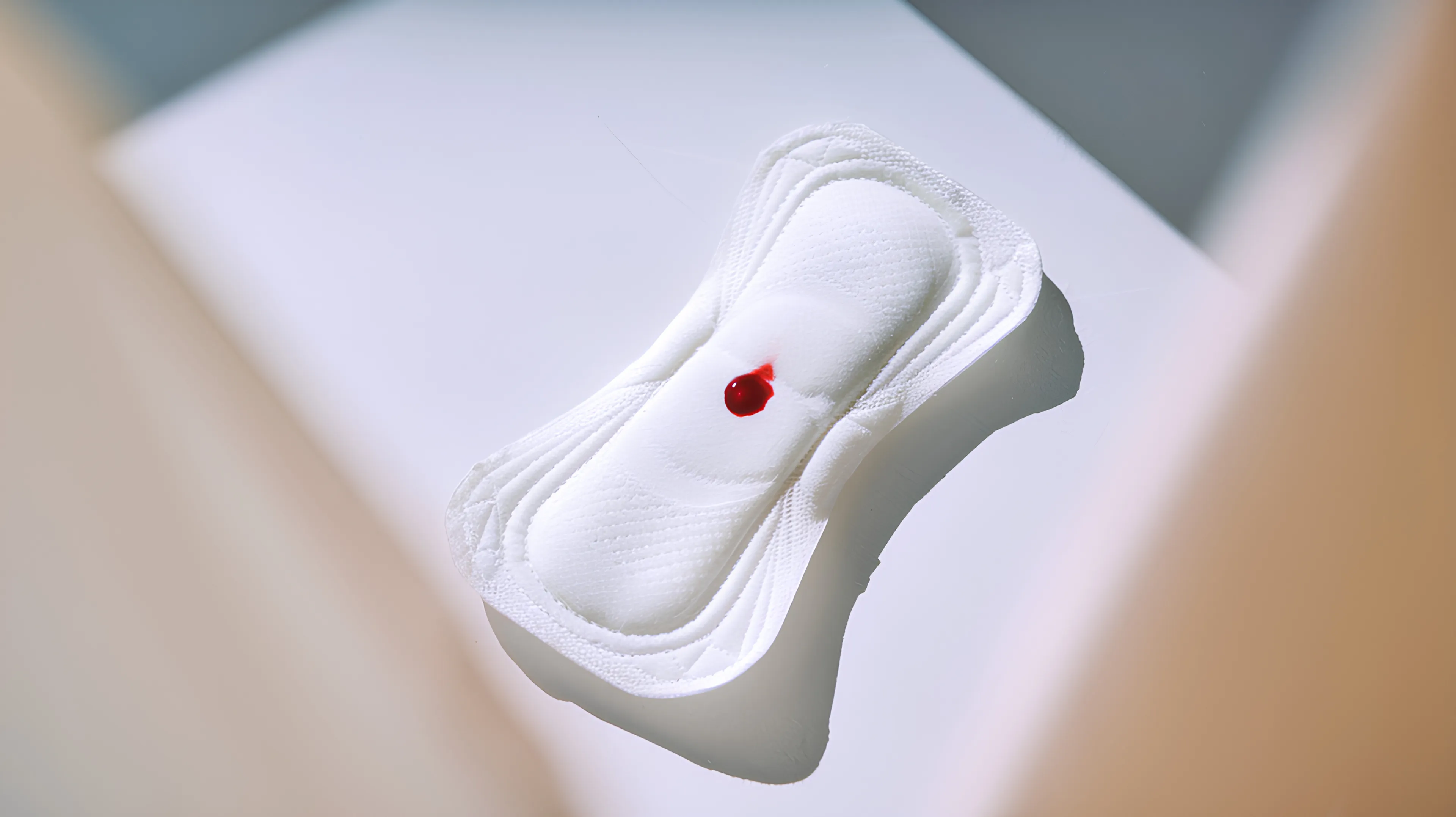
When Discharge Signals Infection?

Healthy discharge, whether fertile or not, does not smell unpleasant, cause itching or burning, or appear an unusual color. Watch for these warning signs:

  • Yellow, green, or grey discharge
  • A strong, fishy, or sour odor
  • Cottage-cheese texture (possible yeast infection)
  • Itching, burning, or soreness around the vulva
  • Pain during urination or sex

Any of these suggest a possible infection such as bacterial vaginosis, a yeast infection, or a sexually transmitted infection. They are not signs of ovulation and need medical assessment. Report adverse events or new symptoms to your healthcare provider or the relevant regulatory authority.

When to See a Doctor?

Most discharge changes across a cycle are completely normal, but some situations call for a medical review:

  • Discharge with a strong or foul smell
  • Discharge that is grey, green, or bright yellow
  • Itching, swelling, or redness of the vulva
  • Pelvic pain at any point in the cycle
  • Irregular cycles that make it difficult to identify a pattern
  • No visible fertile-quality mucus across several cycles
  • Concerns about fertility after six months of timed attempts (or 12 months if under 35)

If you have been tracking without success or feel uncertain about what you are observing, a gynaecologist can help interpret your patterns and investigate any underlying hormonal issues.

Contraindications and Precautions for Fertility Tracking Methods

The cervical mucus method is a useful tool, but it works best in specific circumstances. It becomes unreliable or difficult to interpret in the following situations:

  • Active vaginal infection, which alters mucus quality and makes observation inaccurate
  • Polycystic ovary syndrome (PCOS), which can cause erratic hormonal fluctuations and multiple follicular surges without ovulation
  • Perimenopause, where cycles become irregular and fertile signs are harder to predict
  • Recent hormonal contraceptive use, during which mucus patterns may not reflect true ovulation for some months
  • Certain medications including antihistamines, which can dry mucus, or progestin-only pills, which thicken mucus continuously

The cervical mucus method alone is not as effective as clinical contraceptive options. If you are relying on it to avoid pregnancy, seek guidance from a trained natural family planning counsellor or gynaecologist who can support correct use and help you combine it with other fertility awareness indicators such as basal body temperature.

Medical Disclaimer: The content in this article is for informational purposes only and does not constitute medical advice, diagnosis, or treatment. Individual cycles vary, and symptoms that concern you should always be discussed with a qualified healthcare provider. Apollo recommends consulting a gynaecologist before making changes to your family planning approach.

Conclusion

Ovulation discharge is a useful natural indicator of the fertile window, especially when you learn to recognise changes in its texture, amount and appearance throughout your cycle. Clear, slippery and stretchy egg-white-like mucus generally signals peak fertility, while discharge typically becomes thicker or less noticeable after ovulation. However, cervical mucus patterns can vary between individuals and may be affected by infections, hormonal changes, medications and irregular cycles. Tracking discharge alongside other fertility signs can provide a clearer picture of your cycle, but it should not replace medical or contraceptive advice. If your discharge is unusual, causes discomfort or you have concerns about fertility, speak with a gynaecologist.

FAQs

What does ovulation discharge feel like?

It feels slippery and wet, similar to the sensation when aroused, or like there is more moisture than usual at the vaginal opening. Many women describe the texture as similar to raw egg white, smooth and slightly stretchy.

How many days after egg white discharge do you ovulate?

Ovulation typically occurs on or within one to two days after the peak day of egg white discharge. The peak day is the last day you notice that clear, stretchy quality before discharge becomes thicker again.

Can you get pregnant during ovulation discharge?

Yes, this is the highest-fertility window of the cycle. Sperm can survive in fertile mucus for up to five days, so intercourse in the days leading up to and including peak discharge gives the best chance of conception.

Is creamy discharge a sign of ovulation ending?

Creamy discharge usually appears just before the egg white stage, not after it. After ovulation, discharge tends to become thick, sticky, or absent rather than creamy. If you notice creamy discharge returning after a dry post-ovulation phase, it may signal the next cycle approaching.

Does discharge always mean you are ovulating?

No. Discharge is present throughout the cycle and varies in texture and amount. Only the clear, stretchy, egg-white-type discharge marks peak fertile quality. Other types such as sticky or creamy discharge indicate lower or no fertility, and unusual discharge may be a sign of infection rather than ovulation at all.

Apollo 247 Floating Action Button