logo
0

Ovulation Phase: Track It for Conception or Contraception

Understand the ovulation phase, its timing in the menstrual cycle, and practical tracking methods for conception or contraception. Doctor-reviewed guide.

article image

Dr.Rohini priyanaka

Understanding the ovulation phase is the single most useful thing you can do whether you are trying to get pregnant or trying to avoid it. Ovulation is the moment your ovary releases an egg, and the few days around it are the only time in your cycle when conception is possible. Getting the timing right, or wrong depending on your goal, depends on knowing when this window opens.

What Is the Ovulation Phase?

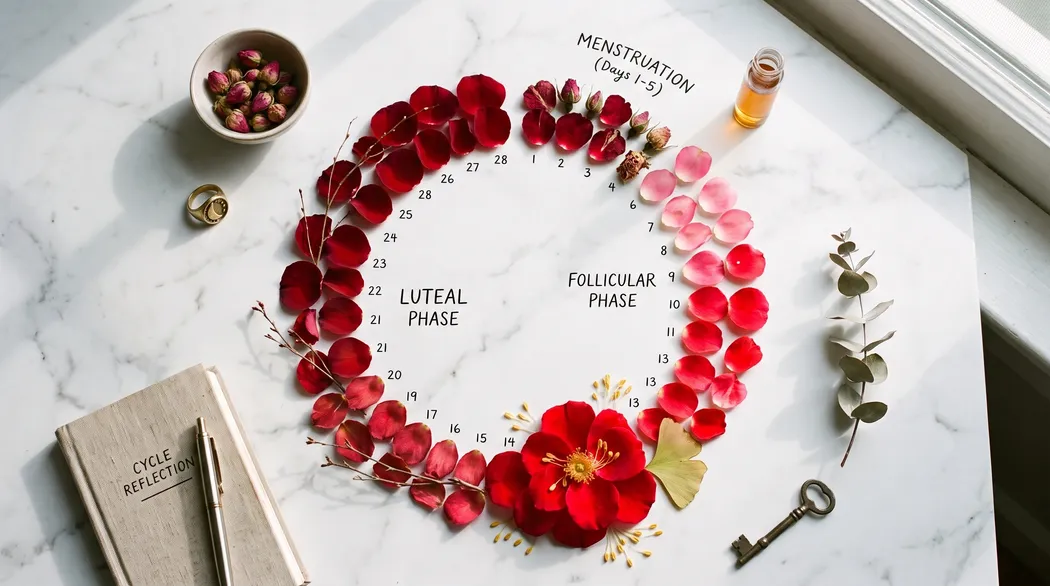
  • Menstruation: The phase when your period occurs, marking the beginning of a new menstrual cycle.
  • Follicular Phase: Begins on the first day of your period and continues until ovulation. During this phase, follicles in the ovary develop and one becomes dominant.
  • Ovulation: Occurs when a surge in luteinizing hormone (LH) triggers a mature follicle to release an egg. In a typical 28-day cycle, ovulation occurs around day 14, although the timing varies between women.
  • Luteal Phase: Begins after ovulation and continues until the next period. If fertilisation does not occur, the egg breaks down and hormone levels eventually fall, triggering menstruation.
  • Ovulation Timing: A 28-day cycle is an average, not a rule. Normal menstrual cycles can range from 21 to 35 days, so ovulation may occur at different times. For example, someone with a 35-day cycle may ovulate around day 21 rather than day 14.

Signs and Symptoms of Ovulation

Your body gives several signals in the days around ovulation. Not every woman notices all of them, but most experience at least one or two.

Cervical mucus changes are among the most reliable signs of ovulation. As oestrogen rises before ovulation, discharge becomes clear, stretchy, and slippery, similar to raw egg white. This type of mucus helps sperm survive and travel. After ovulation, it thickens and becomes cloudy or disappears.

Other common ovulation symptoms include:

  • A brief, sharp pain on one side of the lower abdomen, called mittelschmerz, which some women feel at the moment of egg release
  • A slight dip followed by a noticeable rise of roughly 0.2°C or more in basal body temperature (BBT) after the egg is released
  • Heightened sex drive in the days just before ovulation, thought to be a biological nudge toward reproduction
  • Light spotting or a faint pink tinge to discharge, which is normal and not a cause for concern
  • Breast tenderness or a sense of fullness, caused by the hormonal shift

One important caveat: BBT rises after ovulation has already occurred, so it confirms the event rather than predicting it in advance.

How to Track Your Ovulation Phase

There is no single perfect method. Most women get the clearest picture by combining two approaches.

Calendar Method

Count back 14 days from the day your next period is expected. This gives an estimated ovulation date. It works reasonably well for women with regular cycles, but it assumes a luteal phase of exactly 14 days, which varies between individuals. Keep a cycle diary for at least three months before relying on this method alone.

Basal Body Temperature Charting

Take your temperature with a BBT thermometer every morning before you get out of bed. Record it on a chart or in an app. A sustained rise over three consecutive days suggests ovulation has just passed. BBT charting is good for spotting patterns over time but cannot predict ovulation in the current cycle before it happens.

Ovulation Predictor Kits

Ovulation predictor kits (OPKs) detect the LH surge in your urine, which peaks 24 to 36 hours before the egg is released. A positive result means ovulation is likely within the next day or so, making these kits genuinely useful for timing intercourse. They are widely available at pharmacies and easy to use. For a 28-day cycle, start testing around day 10.

OPKs are less reliable if you have polycystic ovary syndrome (PCOS), because LH levels may already be elevated throughout your cycle, producing false positives.

Ovulation Tracking Apps and Calculators

An ovulation calculator or app uses your cycle data to predict fertile days. These tools are convenient, but they are only as accurate as the data you enter. If your cycles are irregular, predictions can be off by several days. Treat app estimates as a starting point rather than a definitive answer, and combine them with physical signs for better accuracy. Learning how to track ovulation well usually takes two to three cycles of practice.

Using Ovulation Timing for Conception

The fertile window spans roughly six days: the five days before ovulation and the day of ovulation itself. Sperm can survive in the reproductive tract for up to five days, so sex in the days leading up to egg release can still result in pregnancy.

To improve your chances:

  • Aim for intercourse every one to two days during the fertile window rather than targeting a single day
  • Use OPKs alongside cervical mucus observation for the most accurate timing
  • Start tracking two to three months before you plan to conceive, so you understand your personal cycle pattern

There is no strong evidence that any particular time of day or body position improves conception rates. Consistent, relaxed timing matters more than precision.

Using Ovulation Timing for Contraception

Tracking the ovulation phase to avoid pregnancy is called the fertility awareness method (FAM). The idea is to identify fertile days and avoid unprotected sex during that window.

  • FAM can work when used correctly and consistently, but its typical-use failure rate is considerably higher than that of hormonal contraceptives or barrier methods. Illness, stress, travel, and irregular cycles can all shift ovulation unexpectedly, making the fertile window hard to predict.
  • FAM is not recommended as a standalone contraceptive for anyone who cannot risk an unplanned pregnancy. If you choose to use it, learn it properly from a qualified family planning counsellor, not from an app alone.

Contraindications and Precautions

Fertility tracking tools, including apps and OPKs, are not medical devices and do not carry regulatory approval as contraceptives. They should not replace clinical advice.

Ovulation tracking is not appropriate as a sole contraceptive method for people who:

  • Have highly irregular or unpredictable cycles
  • Are breastfeeding, as cycles may not follow normal patterns
  • Are approaching perimenopause, when cycle variability increases
  • Need guaranteed protection against pregnancy for medical reasons

If you are considering the fertility awareness method for contraception, consult a physician or certified family planning counsellor before relying on it. Combining FAM with a barrier method on fertile days substantially reduces but does not eliminate the risk of unintended pregnancy.

Report any unexpected symptoms related to your reproductive health, including abnormal bleeding, severe pain, or signs of infection, to your healthcare provider or the relevant regulatory authority.

When to See a Doctor?

Speak to a gynaecologist if:

  • Your cycles are consistently shorter than 21 days or longer than 35 days
  • You have no detectable signs of ovulation after several months of careful tracking
  • You have been trying to conceive without success for 12 months (or 6 months if you are over 35)
  • You have symptoms of PCOS, such as irregular periods, excess facial or body hair, or acne
  • You experience severe pelvic pain around the time of ovulation

Early evaluation can identify conditions like PCOS, thyroid disorders, or premature ovarian insufficiency, all of which affect ovulation and respond well to treatment when caught early.

Conclusion

Understanding your ovulation phase can help you recognise your fertile window, whether you are trying to conceive or avoid pregnancy. Tracking cervical mucus, basal body temperature, menstrual patterns, and LH surges can provide useful clues, but no single method is perfect. Ovulation can vary from cycle to cycle, particularly with irregular periods, stress, breastfeeding, or hormonal conditions. If you have persistent cycle irregularities, difficulty conceiving, severe pelvic pain, or concerns about contraception, speak with a qualified healthcare professional for personalised guidance.

FAQS

How long does the ovulation phase last?

The actual moment of ovulation, when the egg is released, happens in a matter of minutes. The fertile window around it spans about six days, but the egg itself is viable for only 12 to 24 hours.

Can you feel when you are ovulating?

Some women notice mittelschmerz, a brief cramp or twinge on one side of the abdomen, but many feel nothing at all. Cervical mucus changes and an LH-positive OPK result are more consistent signals than pain.

What happens if there is no ovulation?

A cycle without ovulation is called an anovulatory cycle. The lining may still shed, so you can have a period without releasing an egg. Anovulation is a common cause of difficulty conceiving and may be linked to conditions like PCOS, thyroid imbalance, or high stress levels.
Can ovulation occur twice in a month?

Two separate ovulations in a single cycle are rare, but two eggs can be released within the same 24-hour window, which is how fraternal twins happen. A second ovulation days or weeks apart in the same cycle is not considered a normal pattern.

How accurate are ovulation predictor kits?

OPKs are generally reliable at detecting the LH surge when used correctly, but they confirm the hormone rise rather than guaranteeing egg release. Accuracy drops in women with PCOS or very high baseline LH levels. Follow the kit's instructions carefully and test at a consistent time of day for the best results.

Apollo 247 Floating Action Button