logo
0

Pad for White Discharge: A Practical Daily Hygiene Guide

Learn when to use a pad for white discharge, how to pick the right liner, hygiene tips, and when to see a doctor. Apollo Pharmacy guide.

article image

Dr.Nallapu Siri

Most women experience vaginal discharge every day, yet find little clear guidance on managing it comfortably. Choosing the right pad for white discharge is not about treating a medical problem. It is about staying fresh, preventing irritation, and knowing when what you see is normal and when it is not.

Is White Discharge Normal?

Yes, white or clear discharge is a healthy, expected part of how the vagina cleans itself. Doctors call it leucorrhea. The cervix and vaginal walls produce mucus that carries away dead cells and bacteria, keeping the internal environment balanced.

Normal discharge is typically milky white or clear, has a mild or almost undetectable odor, and varies in amount across the menstrual cycle. Around ovulation it becomes more stretchy and transparent, similar to raw egg white. Just before a period it is often thicker and more opaque.

What makes discharge worth noting is a noticeable change in color, smell, or texture. Healthy discharge does not need treatment, only good hygiene habits and, when needed, the right absorbent product.

Pads vs Panty Liners: Which to Use for Daily Discharge

The discharge pad vs liner question is one many women ask, and the answer mostly comes down to thickness and absorbency.

A panty liner for discharge is thin, light, and designed precisely for the kind of daily moisture that comes from normal vaginal discharge. It sits flat in your underwear, adds minimal bulk, and keeps fabric dry throughout the day.

A full sanitary pad is thicker and built for period blood. Using one every day for routine discharge traps heat, reduces airflow, and can cause chafing. It is more than the situation calls for on most days.

ProductBest forThicknessBreathability
Panty linerDaily normal dischargeVery thinHigher
Regular padHeavier discharge daysMediumModerate
Overnight padNot suitable for dischargeThickLower

For most women, a panty liner handles daily discharge well. Switch to a thinner regular pad only on days when discharge is noticeably heavier, such as around ovulation. The discharge pad vs liner choice, put simply, is liner for everyday use and pad only when volume demands it.

How to Choose the Right Product

Go fragrance-free, always

Scented pads and liners are among the most common causes of vulvar irritation. The fragrances mask odor but do not address its source, and they frequently trigger contact dermatitis or allergic reactions. Choose fragrance-free, unbleached, or minimally processed products every time.

Prioritise breathable materials

Cotton-top or 100% cotton liners allow airflow and absorb moisture without creating the warm, damp environment that encourages yeast or bacterial growth. Synthetic top sheets can feel smooth initially but tend to reduce ventilation over time. For a white discharge daily use pad, this difference matters because you are wearing the product for hours, day after day.

Get the fit right

A liner that is too wide or too long shifts around, bunches against the inner thigh, and causes chafing. Choose a size that matches the gusset of your underwear. Most brands offer a "daily" or "mini" size suited to discharge rather than the longer versions made for heavier period flow.

Check for skin-friendly labelling

Look for products labelled hypoallergenic or dermatologist-tested, particularly if you have sensitive skin. Daily contact with any material magnifies the risk of cumulative irritation compared to something used only a few days a month.

Hygiene Practices to Follow With Daily Discharge

Good habits make a bigger difference than the product alone. These vaginal hygiene tips are simple, practical, and genuinely effective.
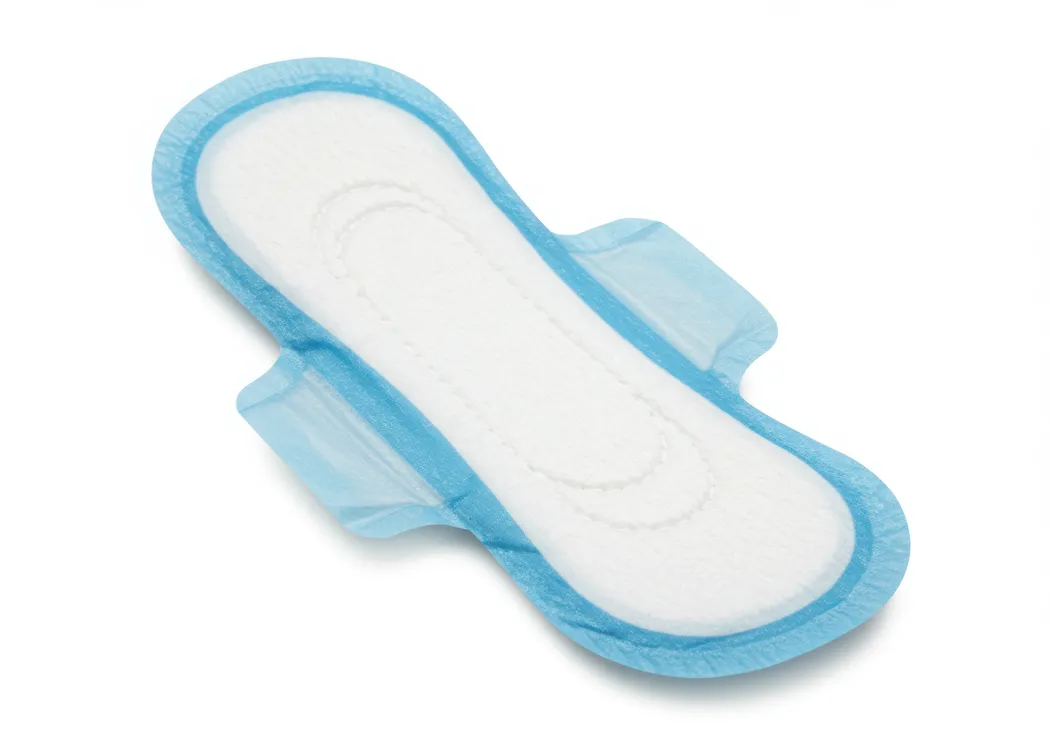
  • Change your liner every 4 to 6 hours, or sooner if it feels damp. A wet liner left in place promotes bacterial growth close to the vulva.
  • Always wipe front to back after using the toilet. This single step prevents gut bacteria from reaching the vaginal area.
  • Wash the external vulva once or twice daily with plain warm water. The vagina is self-cleaning internally; soap inside the vaginal canal disrupts its natural pH.
  • Avoid douching entirely. It washes away the protective lactobacillus bacteria that keep the vaginal environment healthy and acidic.
  • Skip the liner before sleep when possible, and choose cotton underwear, so the area gets adequate airflow overnight.
  • Carry a spare liner if you are out for a full day, so you can change on schedule rather than waiting until you get home.

How to use panty liners correctly is less about technique and more about consistency. Changing on time and keeping the area clean are the two habits that matter most.

When Does White Discharge Need Medical Attention?

A pad for white discharge manages moisture; it does not treat infection. Certain changes in discharge are a signal to see a doctor, not simply a reason to switch hygiene products.

Consult a healthcare provider if you notice:

  • A strong, fishy, or sour smell that persists even after washing
  • Discharge that turns yellow, green, or grey
  • A thick, cottage-cheese texture along with itching or burning, which can suggest a yeast infection
  • Unusual volume of discharge with lower abdominal pain or fever
  • Redness, swelling, or irritation around the vulva that does not resolve within a day or two
    Any discharge after menopause

These changes are not automatically cause for alarm, but they do need a proper diagnosis. Self-treating with over-the-counter products without confirmation can mask symptoms and delay the right care.

Report adverse events or unexpected reactions to any hygiene product to your healthcare provider or the relevant regulatory authority.

Contraindications and Precautions

Not every product suits every person. Take extra care if you fall into any of the following groups:

  • Women with a known allergy to latex, synthetic fibers, or adhesives should read product labels carefully and opt for 100% cotton, adhesive-minimised options.
  • Anyone with an existing skin condition such as eczema, psoriasis, or vulvar dermatitis should consult a dermatologist before committing to a daily liner, as continuous contact can worsen inflammation.
  • Women who are pregnant or postpartum experience changes in discharge volume and skin sensitivity.
  • Choosing the gentlest, most breathable option is important during this period. For broader hygiene guidance relevant to postpartum care, a general hygiene care guide for new mothers may also be a useful reference.
  • If you have had recent pelvic surgery, vaginal infection, or are undergoing treatment that affects vaginal tissue, ask your doctor before using any adhesive hygiene product.
  • Children and adolescents should use products specifically sized and formulated for younger users.

If you experience redness, itching, swelling, or a rash after starting a new product, stop using it and consult your doctor.

Conclusion

Using a pad for white discharge is mainly a matter of comfort and daily hygiene rather than treating the discharge itself. Normal white or clear discharge is a healthy part of vaginal function and can change throughout the menstrual cycle. If you choose to use a panty liner, a fragrance-free, breathable option that fits comfortably and is changed regularly can help manage moisture while reducing the risk of irritation. Giving the vulval area adequate airflow, especially at night, can also support comfort.

A change in discharge should not simply be managed by switching to a different pad or liner. Persistent strong odour, unusual colour or texture, itching, burning, pelvic pain, fever, or other new symptoms may indicate an infection or another condition that requires medical assessment. Avoid douching and unnecessary scented products, and seek advice from a gynaecologist if symptoms persist or you are unsure whether your discharge is normal.

FAQS

Can I wear a panty liner every day?

Yes, for most women this is safe, provided you change it every 4 to 6 hours and choose a breathable, fragrance-free product. Women with sensitive skin or a history of vulvar irritation should monitor for any reaction and consult a doctor if symptoms develop.

Does white discharge mean I am ovulating?

Clear, stretchy discharge that resembles raw egg white is a common sign of ovulation, but white discharge on its own can occur at any point in the cycle. Tracking consistency alongside other signs gives a more reliable picture than discharge alone.

Can pads cause irritation or infection?

Scented, synthetic, or poorly fitted products can cause contact irritation and, if left on too long, create conditions that increase infection risk. Fragrance-free, cotton-based liners changed regularly are far less likely to cause problems.

How do I know if discharge is abnormal?

Changes in color (yellow, green, grey), a strong or fishy odor, a cottage-cheese texture, or discharge accompanied by itching, pain, or fever are the main warning signs. Clear or white discharge with a mild smell and no discomfort is almost always normal.

Are cotton pads better than synthetic ones?

For daily use, cotton or cotton-top products generally perform better because they breathe more freely and are less likely to cause irritation with prolonged contact. Synthetic materials can feel comfortable short-term but often trap heat and moisture over a full day.

Apollo 247 Floating Action Button