logo
0

Pampers Diapers: A Complete Guide for Indian Parents

Explore Pampers diaper variants including Premium Care, sizing tips, and how to choose the right diaper for your baby's skin and comfort needs.

article image

Dr.Kamran

Choosing the right diaper for your baby is one of those early parenting decisions that feels small but matters a lot. Pampers diapers are among the most widely used in India, and with several product lines, size charts, and variant names on the shelf, it can get confusing fast. This guide breaks down the key options, how to size correctly, and what to watch for when it comes to your baby's skin health.

Pampers Diaper Range Overview

Pampers sells a few distinct product lines in India, each designed for different stages and use cases. The following product descriptions are based on Pampers India packaging and product documentation.

  • Pampers Premium Care: Positioned as the softest option in the range, aimed at newborns and young infants with sensitive skin.
  • Pampers Active Baby: A mid-range tape-style diaper suited for everyday use as babies grow and move more.
  • Pampers Pants: Pull-up style diapers designed for older, more active babies and toddlers who are beginning to move around or starting toilet training.
  • Pampers New Baby / Newborn: Specifically sized for very small babies, often with a notch cut out for the umbilical cord stump.

Each line comes in multiple sizes, and the right choice depends on your baby's weight and activity level rather than age alone.

For parents looking for the best diapers for newborns in India, Pampers Premium Care and the Newborn variant are the most frequently recommended starting points, given their sizing and design for delicate early-stage skin. That said, every baby is different, and what works best may take a change or two to figure out.

Pampers Premium Care: Key Features

Pampers Premium Care is marketed as the brand's top-tier offering for delicate newborn skin. The features below are manufacturer claims from Pampers India product documentation, not independently verified medical claims, but they are worth knowing as you compare options.

The outer cover is designed to feel cloth-like and soft against the skin. Inside, the diaper uses a layered absorbent core that pulls moisture away from the skin surface and locks it in, keeping the outer layer relatively dry. The wetness indicator is a yellow stripe on the outside that turns blue when the diaper is wet, which is especially helpful for new parents who are still learning to read their baby's cues.

According to Pampers India packaging, the diaper is also fragrance-free and hypoallergenic, making it a common first choice for parents of newborns. The stretchy waistband and side tabs are designed to create a snug but gentle fit.

One practical note: Premium Care tends to cost more per diaper than Active Baby. If your baby is past the newborn stage and has no skin sensitivities, Active Baby may offer similar day-to-day protection at a lower price point.

How to Choose the Right Diaper Size?

Getting the size right is one of the most important things you can do for both comfort and leak prevention. Pampers diaper sizes are based on your baby's weight, not their age. Knowing how to choose diaper size correctly can save you from leaks, rashes, and wasted product.

Approximate Weight-Based Size Guide

Pampers Size Approximate Baby Weight
Newborn (NB) Up to 5 kg 
Size 1 (S) 4 to 8 kg
Size 2 (M)     6 to 11 kg
Size 3 (L) 9 to 14 kg
Size 4 (XL)      12 to 17 kg
Size 5 (XXL) 15 kg and above

Weight ranges overlap intentionally. If your baby is between sizes, go up if you are seeing red marks on the skin or frequent leaks, and go down if the diaper sags or gaps around the thighs.

Signs the Diaper Fits Correctly

  • Two fingers should fit comfortably under the waistband.
  • The leg cuffs should lie flat against the skin without digging in.
  • No red marks after removal.
  • The diaper sits at the belly button or just below it for newborns.

Checking fit every few weeks is a good habit, especially in the first year when babies grow quickly.

Skin Safety and Diaper Rash Prevention

Diaper rash is extremely common in infants and is usually caused by prolonged contact with moisture, friction, or irritants in stool. Most cases are preventable with consistent hygiene habits.

Practical steps to reduce rash risk:

  • Change diapers frequently, ideally every 2 to 3 hours or immediately after a bowel movement.
  • Clean the diaper area gently with water or unscented wipes, wiping front to back.
  • Allow the skin to air dry for a minute before putting on a fresh diaper.
  • Apply a thin layer of barrier cream (zinc oxide-based) at each change if your baby is prone to redness.
  • Avoid overly tight diapers, which can trap heat and moisture.

For newborns, cord care adds an extra layer of consideration. A wet or poorly fitting diaper around the umbilical area can slow healing. Read Apollo's newborn hygiene and belly button care guide for detailed guidance on keeping that area clean and dry in the early weeks.

If a rash does not improve within 2 to 3 days of home care, or if you notice blistering, bleeding, or signs of infection such as spreading redness, pus, or fever, consult your pediatrician promptly.

Pampers Pants vs. Tape Diapers

This is one of the most common questions Indian parents have when buying online or at a pharmacy. Understanding the difference between pampers pants vs tape diapers helps you pick the right style for your baby's stage.

Tape-style diapers, used in Premium Care and Active Baby, have adhesive tabs on the sides. They fasten and re-fasten easily, making them well suited for newborns and young infants who are changed while lying flat.

Pants-style diapers pull on like underwear. They are easier for quick changes on babies who can stand or who wriggle a lot during changes. They are generally recommended from around 7 to 8 kg onwards, once the baby is more mobile.
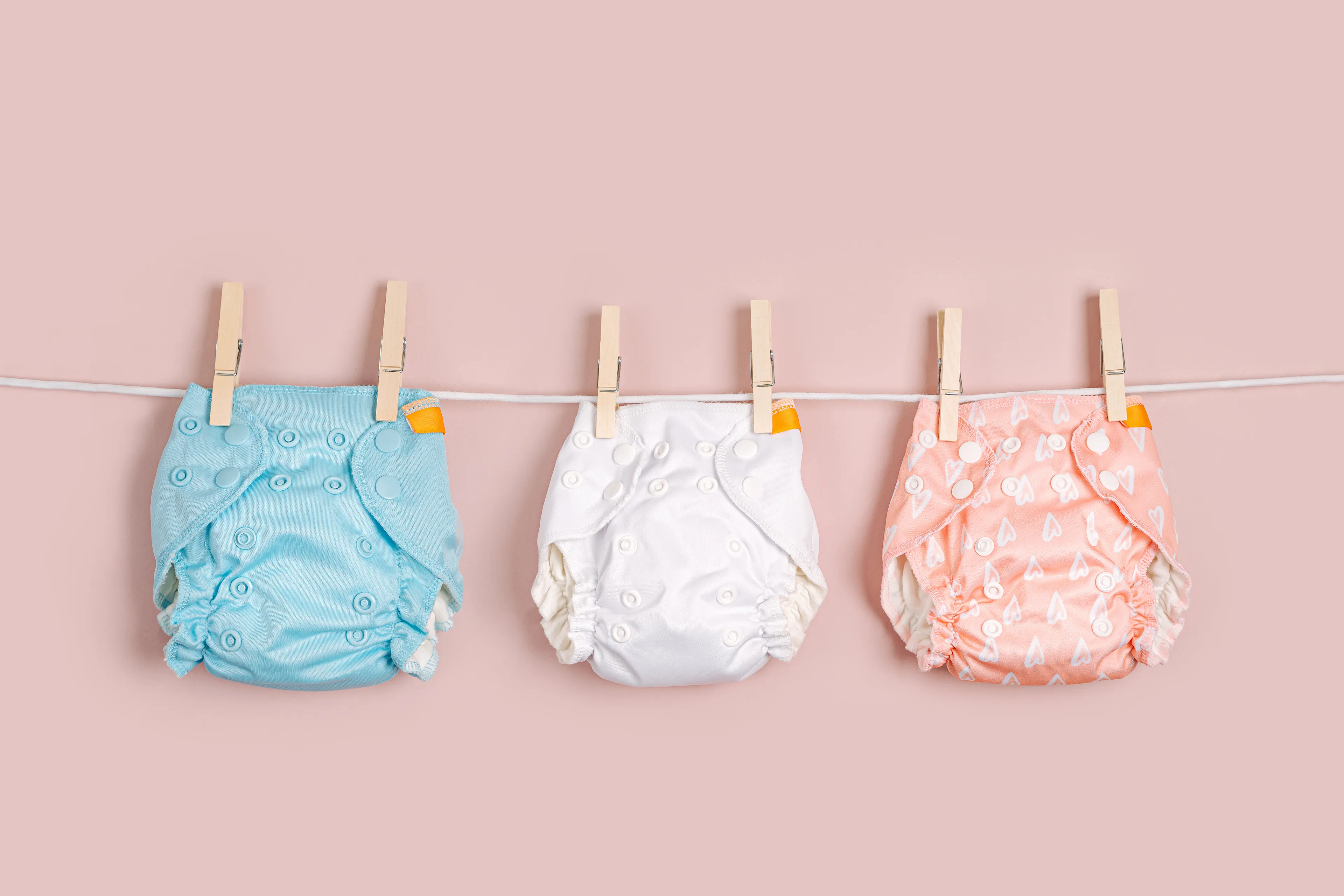
There is no meaningful difference in absorbency between the two styles at the same size. The choice comes down to convenience and what works better at your baby's current stage of development.

Contraindications and When to Consult a Doctor?

Diapers are consumer hygiene products, not medicines, but there are situations where continuing to use any diaper, including Pampers diapers, is not appropriate.

Stop using a diaper brand and seek medical advice if your baby has:

  • Open skin wounds or deep skin breakdown in the diaper area.
  • A severe or spreading rash that does not respond to basic care within a few days.
  • Signs of an allergic reaction such as hives, swelling, or significant worsening of skin irritation after a diaper change.
  • Any bleeding or signs of secondary infection in the diaper zone.

In these situations, your pediatrician may recommend a medical barrier preparation or a period without any diaper to allow healing. Do not attempt to treat open wounds or severe skin breakdown at home with over-the-counter creams alone.

Report adverse events related to any personal care product to your healthcare provider or the relevant regulatory authority.

Conclusion

Pampers offers a range of disposable diapers in different sizes and designs to accommodate babies as they grow and their diapering needs change. Choosing a suitable diaper depends on factors such as the baby's weight, fit, absorbency needs, skin sensitivity, and the specific Pampers product available in India. Parents should check the current product packaging for size recommendations, features, and usage instructions because product ranges and specifications can vary. Regular diaper changes, gentle cleaning, and appropriate skin care can help reduce prolonged exposure to moisture and support healthy skin. If a baby develops persistent redness, irritation, swelling, or a rash that does not improve with routine care, parents should consult a paediatrician or healthcare professional. Ultimately, the most suitable diaper is one that fits the baby comfortably, meets their absorbency needs, and works well with the family's hygiene routine and budget.

FAQs

How often should I change a Pampers diaper?

Change diapers every 2 to 3 hours during the day, and immediately after any bowel movement. Newborns may need 10 to 12 changes per day in the early weeks.

Are Pampers diapers safe for newborns?

Pampers offers specific newborn variants designed with softer materials and an umbilical cord notch. If your baby has no allergic reaction or unusual skin response, they are generally suitable, but consult your pediatrician if you have specific concerns.

What is the difference between Pampers Pants and tape-style diapers?

Tape diapers have adhesive side tabs and are easier to use on babies who lie still during changes. Pants pull on like underwear and are more practical for active babies or toddlers who can stand.

How long does a pack of Pampers diapers last?

It depends on pack size and how frequently you change. A newborn going through 10 to 12 diapers per day will use a 30-count pack in roughly 2 to 3 days.

Can Pampers diapers cause allergies?

Allergic reactions to diapers are uncommon but possible. If you notice a rash that appears only in the diaper contact area and worsens with continued use, stop using that product and speak with a dermatologist or pediatrician.

Apollo 247 Floating Action Button