logo
0

Pampers Diapers: Features, Range & Parent Guide

Explore the Pampers diaper range, from newborn sizes to pants. Learn about key features, skin safety tips, and how to choose the right fit for your baby.

article image

Dr.Bhanu Prakash

Choosing the right diaper is one of the first decisions new parents make, and Pampers has become a familiar name for millions of families across India. Newborns need frequent changes around the clock, and the diaper you pick affects both comfort and skin health. This article covers the Pampers range, key features, safety considerations, and practical guidance so you can choose with confidence.

Pampers Diaper Range: Types and Sizes Explained

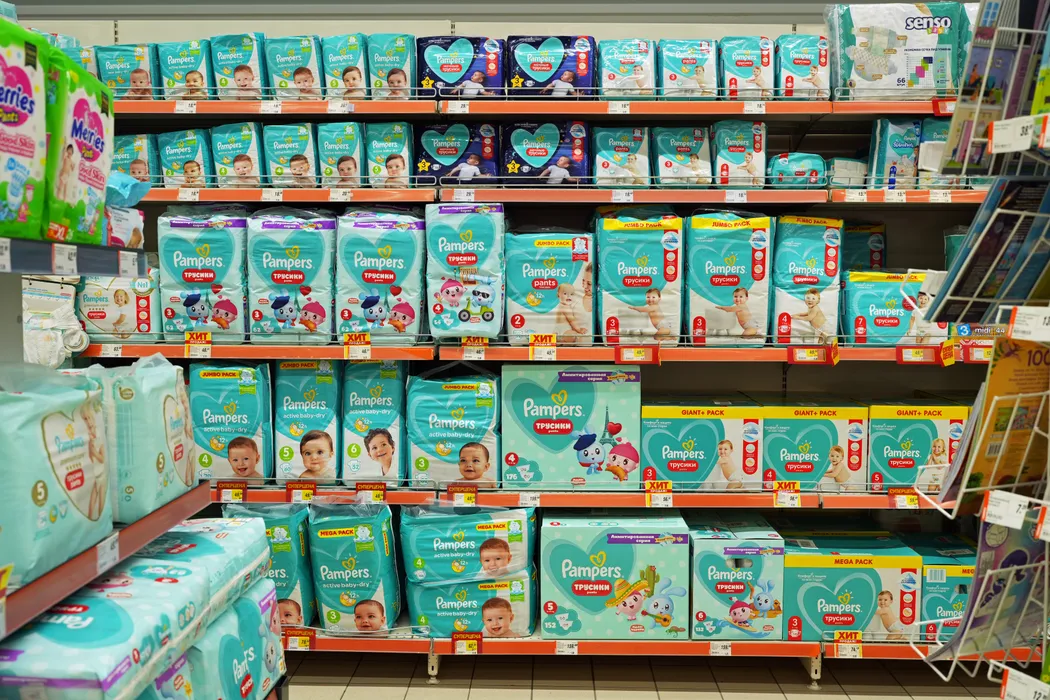
Pampers diapers in India offer several product lines designed for different stages of a baby's growth. Understanding each line makes it easier to pick the right fit.

Core Product Lines

  • Pampers New Baby (Premium Care Newborn): Designed for the earliest weeks of life and built for delicate newborn skin. Most variants include a wetness indicator strip that changes colour when the diaper is wet, genuinely helpful during those first sleepy weeks.
  • Pampers Premium Care: A step-up option with a soft, cotton-like top layer and strong absorbency. Popular with parents whose babies have sensitive skin.
  • Pampers Pants: Pull-up style diapers that work like underwear. When comparing Pampers Pants vs diapers with tape, pants suit active babies who are beginning to move around, typically from size 4 (around 9 kg and above). Tape diapers, by contrast, offer a more adjustable fit for smaller or less mobile babies, making them easier to position precisely on a newborn.
  • Pampers Baby-Dry: An everyday option focused on overnight dryness and broader affordability, available across a wide size range.

Pampers Diaper Sizes

Pampers diaper sizes follow a weight-based system. Sizes vary slightly between product lines, but a general guide is below.

Size

Approximate Weight

Typical Stage

NB (Newborn)

Up to 5 kg

First days to weeks

S (Small)

4 to 8 kg

1 to 3 months

M (Medium)

7 to 12 kg

3 to 6 months

L (Large)

9 to 14 kg

6 to 12 months

XL

12 to 17 kg

12 months and above

XXL

15 kg and above

Toddlers

Always go by your baby's current weight rather than age, since growth rates vary. If you notice red marks at the waist or thighs, size up.

For best diapers for newborn use, look for NB or S size with a wetness indicator and an umbilical cord notch (a small cut-out at the front) during the first few weeks. This notch prevents the diaper from rubbing against the healing cord stump, one of many newborn care essentials beyond diapering worth reading up on before your baby arrives.

Key Features That Set Pampers Apart

Absorbency

The absorbent core in Pampers diapers pulls moisture away from the skin quickly and locks it in. This reduces the time your baby's skin sits in contact with wetness, which matters because prolonged moisture exposure is a primary trigger for diaper rash.

Wetness Indicator

Present in Pampers New Baby and some Premium Care variants, the yellow line on the outside of the diaper turns blue when wet. For first-time parents managing feeds and sleep deprivation, it removes one guessing step.

Breathable Outer Layer

The outer cover on most Pampers lines allows some air circulation, keeping the skin environment drier and cooler. This is relevant for India's warm and humid climate, where heat buildup under a fully plastic-backed diaper can aggravate skin faster.

Soft Inner Lining

The top sheet sits against your baby's skin and is designed to minimise friction-related irritation. Newborn skin is thinner and more permeable than adult skin, so this detail is more than cosmetic.

These features do not mean Pampers is right for every baby. Some infants are sensitive to fragrance components or specific materials used in any diaper brand. Monitor your baby's skin at every change.

Why Is Pampers Popular Among Indian Parents?

Widespread Availability

Pampers diapers in India are stocked in pharmacies, supermarkets, and online platforms across most cities and towns. Apollo Pharmacy carries Pampers across its network, making it accessible without a special trip.

Range of Price Points

Pampers offers options at different price levels, from the everyday Baby-Dry to the higher-priced Premium Care range.

Pampers products in India typically range from ₹180 to ₹1,499 per pack depending on line and pack size. Approximate per-diaper costs run from ₹10 to ₹18 for standard lines (such as Baby-Dry or All-Round Protection Pants) and ₹15 to ₹25 for premium lines (such as Premium Care).

Familiarity Among Paediatricians

Many paediatricians are familiar with the Pampers range. While doctors do not prescribe diapers, their familiarity with a brand's composition helps when parents report a skin reaction and need guidance on whether to switch.

Established Trust

Pampers entered the Indian market decades ago and has built recognition through consistent availability. For many parents, it is what their own parents used. That said, brand familiarity should always take second place to how your individual baby's skin responds.

Skin Safety and When to Watch for Diaper Rash

Contraindications: When to Stop Using Any Diaper?

Stop using a diaper product and consult a paediatrician if your baby shows signs of an allergic reaction: hives, significant swelling, or immediate redness and blistering on contact. Broken or infected skin needs medical assessment before you continue using any diapering product, regardless of brand. If a healthcare provider suspects a sensitivity to a specific diaper material, they may recommend switching product lines or trialling cloth diapers temporarily.

What Causes Diaper Rash?

Most diaper rash is irritant contact dermatitis: skin that stays wet or is rubbed repeatedly becomes red and sore. It is not always caused by the diaper brand itself. Common triggers include infrequent changes, diarrhoea, introduction of new foods, antibiotic use, or a reaction to a component in the diaper or wipe.

Signs to Watch For?

Look at your baby's skin at every change. Mild redness that clears within a day of more frequent changes and barrier cream is common and usually not a concern.

Seek medical advice if you notice any of the following:

  • Redness that spreads beyond the diaper area
  • Blisters, open sores, or skin that looks raw and weeping
  • Rash that does not improve with basic care within a few days (this is general guidance; ask your paediatrician for a specific threshold if your baby has recurring rash)
  • White patches, which may suggest a fungal infection
  • Your baby seems unusually distressed during changes

Diaper rash prevention involves changing diapers frequently, allowing brief air-dry periods, and applying a barrier cream at each change.

Product Safety Information

Pampers diapers are consumer products, not drugs or medical devices. No prescription is needed to buy them. If your baby experiences a skin reaction, redness, or any unexpected symptom that you suspect is linked to a diaper product, consult your paediatrician before continuing use. Report adverse events to your healthcare provider or the relevant regulatory authority. In India, adverse events related to consumer products can be reported to the Central Drugs Standard Control Organisation (CDSCO) or your State FDA office, depending on the nature of the concern.
Conclusion

Pampers offers different diaper styles and sizes to suit babies at various stages of growth. When choosing a diaper, consider your baby's current weight, fit, comfort and how their skin responds to the product. Change diapers regularly and keep the diaper area clean and dry to help reduce the risk of irritation and diaper rash. While many babies tolerate Pampers well, no single diaper brand is suitable for every baby. If your baby develops persistent redness, swelling, blistering or other signs of skin irritation, stop using the suspected product and consult a paediatrician.

FAQS

How many diapers does a newborn need per day?

Most newborns need 8 to 12 diaper changes in 24 hours, particularly in the first few weeks when feeding is frequent. This number typically reduces as your baby grows and feeds become more spaced out.

Are Pampers pants better than tape diapers?

The Pampers pants vs diapers question really comes down to your baby's age and mobility. Tape diapers give a more precise fit for newborns and young infants, while pants are easier to pull on and off for babies who are sitting, crawling, or standing.

How often should you change a Pampers diaper?

Change the diaper as soon as it is soiled, and at least every 2 to 3 hours for wet diapers even if the baby has not passed stool. Leaving a wet diaper on too long is one of the main causes of diaper rash.

Is Pampers safe for sensitive skin?

Most babies tolerate Pampers well, but no diaper brand is universally guaranteed for every skin type. If your baby develops persistent redness or irritation, consult a paediatrician to rule out an allergy or sensitivity to a specific material.

What is the price range of Pampers diapers in India?

Pampers diapers typically range from ₹180 for small trial packs to ₹1,499 for mega value packs. Per-diaper costs generally range from ₹10 to ₹18 for everyday lines (Baby-Dry and standard Pants) and ₹15 to ₹25 for Premium Care variants, depending on size and promotional discounts.

Apollo 247 Floating Action Button