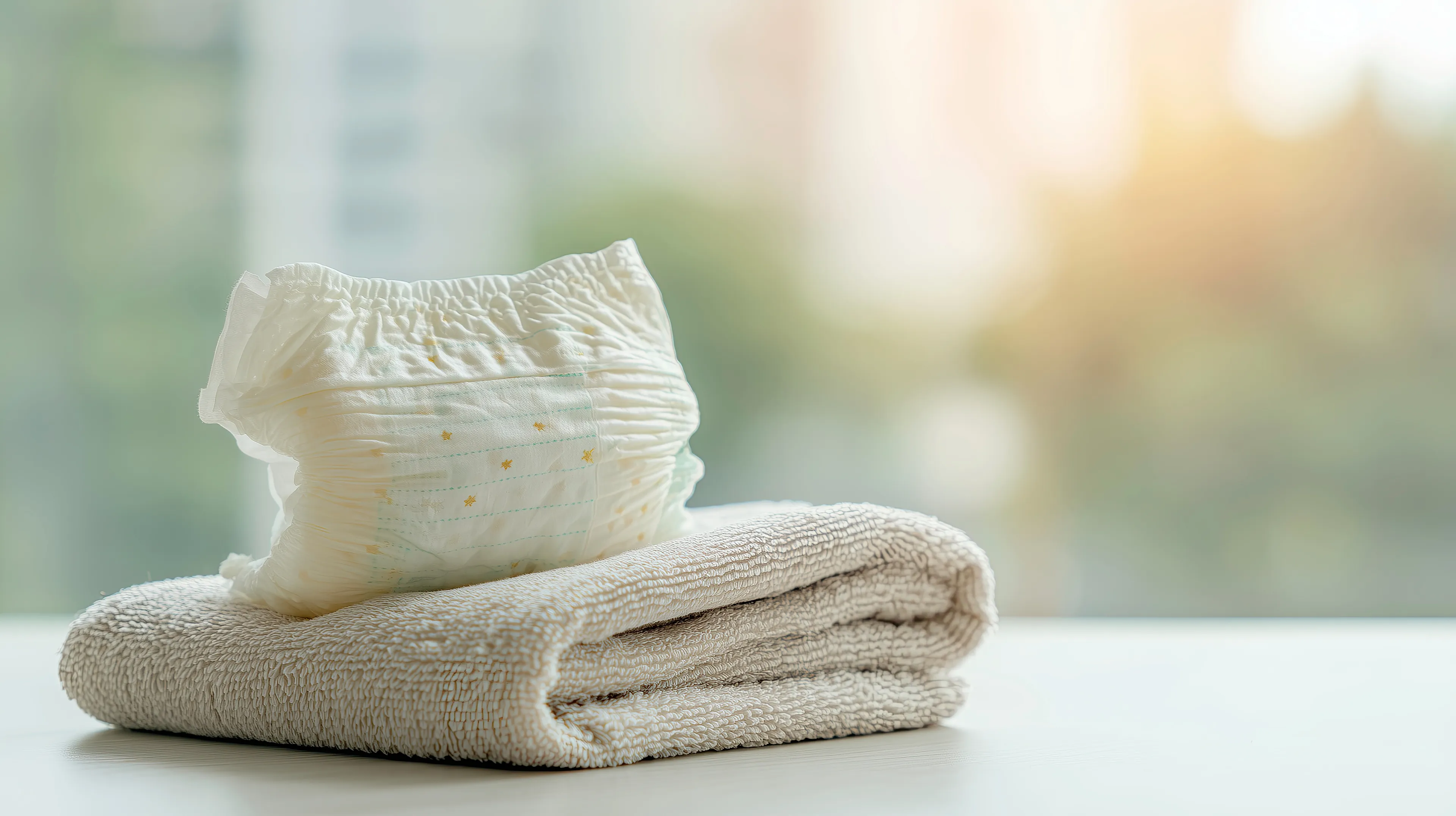
Pampers Diapers Review: Premium Care vs Premium Diapers
Compare Pampers diaper ranges available at Apollo Pharmacy, learn how to choose the right size and fit, and get tips for preventing diaper rash.
Dr.Rohini priyanaka
Choosing the right Pampers diapers for your baby can feel overwhelming, especially when shelves carry multiple ranges for different stages, fits and needs. This review looks at the Pampers ranges available through Apollo Pharmacy, explains how to choose the right size and fit, and covers practical tips to help protect your baby's skin, whether you are shopping for a newborn or an older, more active baby.
Pampers Diaper Collections: Overview
Apollo Pharmacy currently lists several Pampers ranges, including Pampers Premium Care, Pampers New Baby, Pampers Complete Skin Comfort, Pampers Active Baby, Pampers All-Round Protection and Pampers Baby Dry. Availability of individual sizes and variants can vary.
Pampers New Baby: A newborn-focused taped-diaper range available in newborn sizes. It is designed for babies in the early stage when fit around the umbilical cord and frequent changes are particularly important.
Pampers Premium Care: Available in several sizes and as diaper pants on Apollo Pharmacy. The range focuses on softness, comfort and absorbency, with features varying by specific product and size.
Pampers Complete Skin Comfort: Available in multiple sizes and designed around skin comfort and everyday protection. The range includes diaper-pants options.
Pampers Active Baby: Available as taped diapers in several sizes. It is intended for babies who need a secure fit as they become increasingly active.
Pampers All-Round Protection: Available as diaper pants in larger sizes, offering a pull-up style that can be convenient for mobile babies and toddlers.
Pampers Baby Dry: Available as taped diapers on Apollo Pharmacy, with options intended to provide dryness during everyday use.
The features, pack sizes and availability of individual products can change, so check the specific product listing and packaging before purchasing.
Parents often want to know which Pampers range will suit their baby. There is no single range that is medically or universally best for every baby. The more useful approach is to compare the available features with your baby's age, weight, activity level, skin sensitivity and preferred diaper style.
Feature
Pampers New Baby
Pampers Premium Care
Pampers Complete Skin Comfort
Pampers Active Baby
Pampers All-Round Protection
Pampers Baby Dry
Main use
Newborn stage
Comfort-focused everyday use
Skin comfort and everyday protection
Active babies
Mobile babies and toddlers
Everyday dryness
Diaper style listed
Taped
Pants
Pants
Taped
Pants
Taped
Newborn availability
Yes
Selected variants
Selected variants
No
No
Selected variants
Larger sizes
Limited
Yes
Yes
Yes
Yes
Selected variants
Key consideration
Newborn fit
Softness and comfort features
Skin comfort
Secure taped fit
Pull-up convenience
Dryness and everyday use
This comparison is intended as a practical guide rather than a ranking. Features can differ between individual Pampers products and sizes, so check the pack for the exact specifications.
For newborns, a taped diaper can make it easier to position the diaper below the umbilical cord stump. As babies become more mobile, pants-style diapers may be more convenient because they can be pulled on and off more easily during changes.
How to Choose Baby Diapers: Size and Fit Guide
Knowing how to choose baby diapers that fit correctly is just as important as picking the right range. A diaper that is too small may leak or leave marks, while one that is too large may gap around the legs.
Pampers sizing is primarily based on your baby's weight. The exact size range can vary by product, so use the weight information printed on the specific Pampers pack rather than assuming that the same size number has the same range across every product.
Weight-based sizing guide
Use this as a general guide when shopping, but always confirm the current weight range for the specific Pampers product.
What to check
Why it matters
Baby's current weight
Helps identify the appropriate starting size
Product-specific size chart
Different Pampers ranges may have different size availability
Waist fit
The diaper should sit securely without digging into the skin
Leg fit
The cuffs should sit comfortably without persistent red marks
Leakage
Frequent leaks can indicate an unsuitable size or fit
Weight ranges can overlap because babies differ in body shape. The number printed on the pack should therefore be treated as a starting point rather than the only measure of fit.
Fit-check tips:
The waistband should sit comfortably without digging into the skin.
The leg cuffs should lie flat against the thighs without leaving persistent red marks.
There should not be obvious gaps around the legs or back.
For newborns, keep the front of a taped diaper below the umbilical cord stump until the area has healed.
Pants-style diapers should sit comfortably around the waist and legs without excessive tightness or gaps.
If you notice frequent leaks, persistent red marks or gaps around the legs, check the manufacturer's sizing guidance and consider changing the size or trying a different fit.
If you are switching from another brand, check the weight guide rather than assuming that the same size number will fit in the same way.
Skin Safety and Pampers Diaper Rash Prevention
Preventing diaper rash starts with regular changes, gentle cleaning and keeping the diaper area as dry as practical. The type of diaper matters, but changing and skin-care habits are equally important.
Practical habits that protect skin:
Change the diaper frequently and promptly after a bowel movement. The American Academy of Pediatrics recommends frequent diaper changes to reduce prolonged contact between the skin and urine or stool.
Clean the whole nappy area gently with a soft cloth and water or a fragrance-free wipe. For girls, wipe from front to back.
Pat the skin dry rather than rubbing.
Apply a suitable barrier preparation containing zinc oxide or petrolatum if your baby's skin is prone to irritation or at the first sign of redness. The American Academy of Pediatrics identifies zinc oxide and petrolatum as commonly used barrier ingredients for diaper-area care.
Make sure the diaper is not too tight and allows enough room for comfortable movement.
Avoid talcum powder in the diaper area because inhaling powder can be harmful to infants.
Good diaper hygiene is also part of broader newborn skin care. For guidance on newborn hygiene and belly button care tips, especially during the first weeks when the umbilical stump is still present, the Apollo Pharmacy blog has a dedicated article.
When to Consult a Doctor?
Many mild diaper rashes improve with appropriate home care. The American Academy of Pediatrics recommends contacting a doctor if a rash is not improving after two to three days of treatment or if it becomes worse.
Contact your paediatrician if:
The rash is bright red, raw or blistered rather than mild pink or red irritation.
The skin is broken, oozing or has raised fluid-filled spots.
The rash spreads beyond the diaper area.
Your baby has a fever alongside the rash.
There is no improvement after two to three days of appropriate home care.
The rash is particularly painful or your baby appears unwell.
Small red spots around the main area of redness can occur with Candida diaper dermatitis. A suspected fungal rash may require specific treatment, so do not apply antifungal or steroid creams without medical advice.
Report adverse events to your healthcare provider or the relevant regulatory authority.
Contraindications and Precautions
Most babies tolerate disposable diapers without any issue, but there are situations where extra caution is needed.
Babies with sensitive skin may react to particular ingredients or materials in diapers, wipes or creams. If you notice a recurring rash after using a specific product, stop using the suspected product and discuss the reaction with your doctor.
Avoid using medicated creams or other treatments on broken or actively infected skin without medical guidance.
If your baby has a diagnosed skin condition such as eczema or another condition that makes the skin particularly fragile, discuss diaper choice and skin care with your dermatologist or paediatrician before switching products.
Avoid talcum powder in the diaper area. The American Academy of Pediatrics advises against baby powder because inhaling powder can cause respiratory problems.
If you suspect a reaction to a diaper or another baby-care product, keep the packaging so that your healthcare provider can check the ingredient and material information.
Conclusion
Choosing Pampers diapers is ultimately about finding the combination of size, fit, comfort and features that works for your baby. The Pampers ranges available through Apollo Pharmacy include options for newborns, growing babies and more mobile children, with both taped and pants-style formats. Rather than choosing based on product range or price alone, pay attention to how well the diaper fits, how your baby's skin responds and whether the design suits your baby's stage of development.
FAQS
Which Pampers diaper is best for newborns?
Pampers New Baby is specifically listed as a newborn-focused option on Apollo Pharmacy. Pampers Premium Care and other ranges may also have selected newborn sizes or variants. Choose based on your baby's weight, the fit around the legs and waist, your baby's skin response and whether you prefer taped or pants-style diapers.
How often should I change my baby's diaper?
Change the diaper frequently and promptly after a bowel movement. The American Academy of Pediatrics notes that babies may need around 8 to 12 diaper changes a day, although the exact number varies. There is no need to follow a rigid two- to three-hour schedule for every baby.
Are Pampers Premium Care diapers worth the price?
Whether Premium Care offers good value depends on your baby's needs and your budget. Compare the features of the specific product, including fit, absorbency and comfort, with its price. If your baby develops persistent irritation, consult a healthcare professional rather than assuming that a higher-priced diaper will resolve the problem.
Can Pampers diapers cause allergies?
Babies can occasionally develop a skin reaction to an ingredient or material in a diaper, wipe or cream. Signs may include redness or a recurring rash in areas exposed to the product. If you suspect a reaction, stop using the suspected product and consult your paediatrician.
How do I store Pampers diapers to keep them clean?
Keep unused diapers in their original packaging in a cool, dry place away from direct sunlight and moisture. Avoid storing them near strong-smelling cleaning or fragranced products. Follow the manufacturer's storage instructions and discard any product that has become visibly contaminated or damaged.