logo
0

Pampers Premium Care: Product Range & Features Guide

Explore Pampers Premium Care and other diaper ranges, including sizes, fit, absorbency, features, skin comfort, usage tips, and guidance for choosing diapers.

article image

Dr.Ezhilrasan

Choosing the right diaper for your newborn is one of the earliest decisions new parents face, and it is easy to feel overwhelmed by the options. Understanding what sets pampers premium care apart from other variants can save you a lot of trial and error. This guide covers the full Pampers diaper range, what to look for in a diaper, and how to keep your baby's skin healthy from day one.

Pampers Product Line Overview

Pampers offers several variants, each designed for a slightly different stage or need:

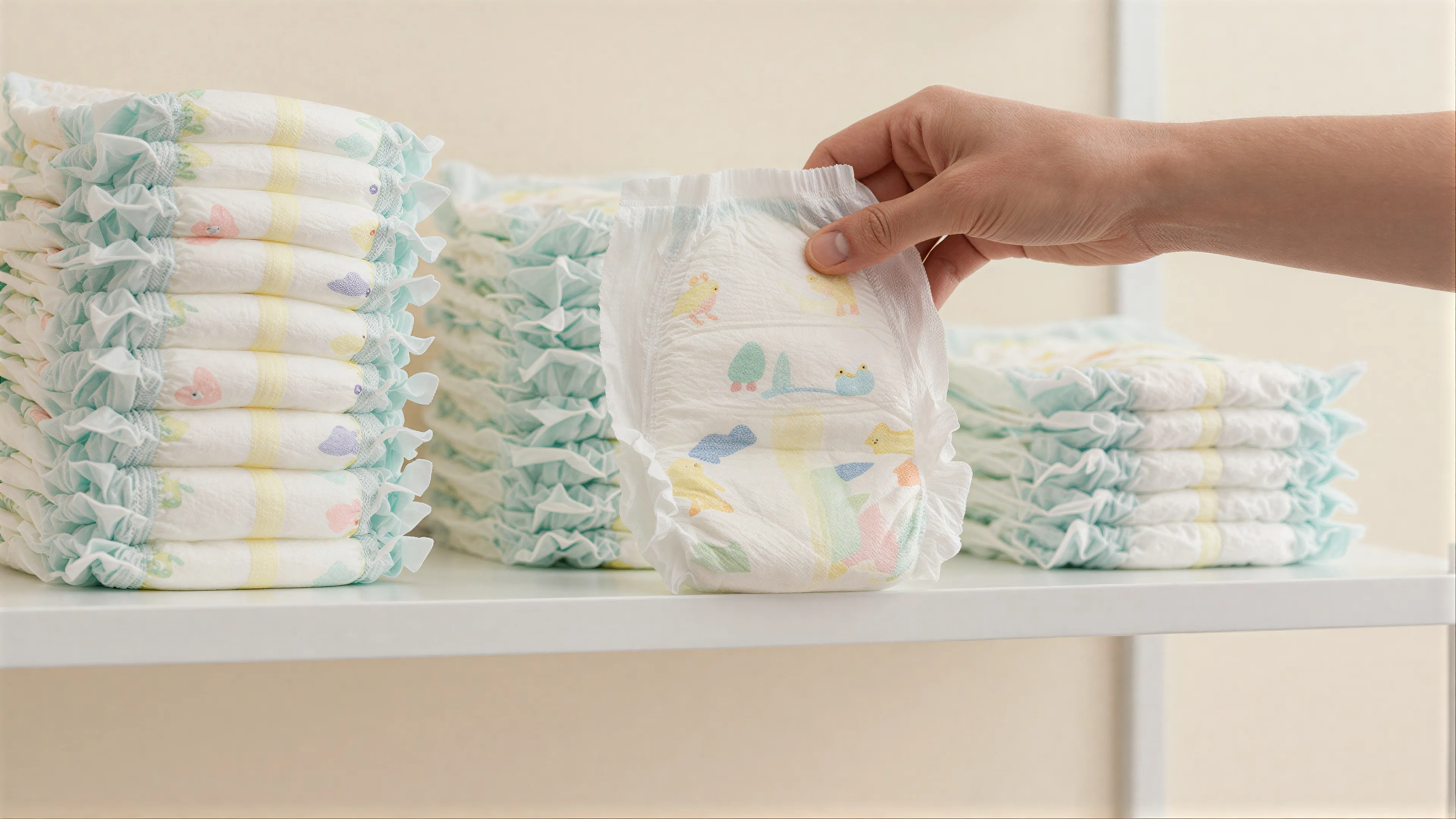
  • Premium Care is the flagship line, designed for newborns and sensitive skin, with an ultra-soft inner layer and a wetness indicator on select sizes.
  • Active Baby is built for babies on the move, with a stretchable waistband and reliable absorbency for everyday use.
  • Pants come in a pull-on style, which many parents find easier during the crawling and early walking phase when tape diapers become tricky.
  • New Born is a dedicated size-zero option with a notch cut out for the umbilical cord stump, keeping that area dry and unobstructed in the first week or two after birth.

Most families move through two or three of these variants across the first two years as their baby grows and becomes more active.

Key Features That Define Pampers Premium Care

The pampers premium care range is positioned as the gentlest option in the lineup. A few features stand out.

The inner core is designed to lock moisture away quickly, keeping the surface that touches your baby's skin as dry as possible between changes. This matters most overnight or during long outings when changes are less frequent.

Many smaller sizes in the Premium Care range include a wetness indicator, a yellow line that turns blue when the diaper is wet. This feature is present on certain smaller sizes and may not appear on all sizes across the range, so check the packaging for the specific size you are buying. For first-time parents, it takes the guesswork out of whether a change is due, which helps avoid both over-changing and under-changing, a common trigger for diaper rash.

The inner layer is described by the brand as cottony-soft and free from fragrance and parabens, making it suitable for babies with delicate or reactive skin. Parents comparing the pampers diaper range will notice that Premium Care uses a noticeably softer top sheet compared to the Active Baby line. Stretchy side tabs allow you to adjust the fit without tearing the diaper, which is useful while you are still figuring out your baby's proportions.

Why Parents Choose Pampers for Their Babies?

When weighing pampers vs other diaper brands, parents often mention a few consistent reasons.

Availability is a practical factor. Pampers is stocked across most Indian pharmacies, supermarkets, and online platforms, so running out mid-week without a substitute is less likely than with newer or niche brands.

Familiarity plays a role too. The brand has been present in the Indian market long enough that many parents today grew up with it, which creates a degree of trust that newer entrants have not yet established.

The pampers diaper features across the range, such as the color-change wetness indicator on select sizes and the umbilical cord notch on the New Born variant, reflect attention to practical parenting needs. Comfort claims from the brand focus on softness and dryness. These are design priorities, not medical guarantees, but parents consistently associate them with a more settled, comfortable baby.

Choosing the Right Diaper Size and Fit

Getting the size right matters more than most parents expect. A diaper that is too loose leaks; one that is too tight leaves red marks and causes skin irritation. The table below gives general weight-based guidance. Exact ranges can vary slightly by market, so always cross-check with the sizing chart printed on the Pampers packaging you purchase, as that reflects current product specifications for your region.
 

SizeApproximate Baby Weight
Newborn (NB / Size 0)Up to 5 kg
Size 12 to 5 kg
Size 23 to 8 kg
Size 35 to 9 kg
Size 47 to 14 kg
Size 511 to 18 kg
Size 616 kg and above

A good fit means two fingers slide under the waistband without force, the leg cuffs lie flat against the skin without digging in, and there is no gap at the back when the baby is lying down.

When in doubt, size up. Many parents stay in a size too long because a snug fit feels secure, but a diaper that leaves marks after removal has been too tight.

Newborn Skin Care Alongside Diapering

Diapering and newborn skin care are closely linked. A newborn's skin is significantly thinner and more absorbent than adult skin, making it more prone to irritation from moisture, friction, and product residue.

A few habits help keep skin healthy:

  • Change diapers frequently, ideally every two to three hours, or immediately after a bowel movement.
  • Clean the area with plain water or fragrance-free baby wipes and pat dry before putting on a fresh diaper. Do not rub.
  • Apply a thin layer of barrier cream or petroleum jelly at each change if your baby's skin tends to redden easily.
  • Let the area air for a minute before fastening the new diaper.

For newborns, the umbilical cord stump needs attention alongside diapering. Fold the front of the diaper below the stump, or use the New Born variant with its pre-cut notch. Keeping the area dry speeds up healing. Read more about how to care for a newborn's belly button for step-by-step guidance.

If you notice any broken skin in the diaper area, keep it clean and dry. Guidance on treating minor skin cuts and wounds at home can help you manage mild irritation safely while you arrange a pediatrician visit.

When to Consult a Doctor?

This article is general guidance for parents researching how to choose baby diapers and build a diapering routine. It is not a substitute for medical advice.

See a pediatrician promptly if:

  • A rash does not improve within two to three days of standard care.
  • The skin becomes blistered, weeping, or raw.
  • You notice spreading redness or swelling beyond the diaper area.
  • Your baby develops a fever alongside a skin rash.
  • The rash appears in the first few weeks of life.

A pediatrician can distinguish between simple irritant dermatitis, fungal infection, and allergic contact dermatitis, each of which requires a different approach.

Contraindications and Cautions

Pampers diapers are not a medical device, but there are situations where standard diapering products may not suit every baby:

  • Babies with known latex sensitivity should use latex-free products. Check packaging for materials if sensitivity has been flagged by a doctor.
  • If a healthcare provider has recommended a specific wound care routine for a skin condition in the diaper area, follow that advice before applying any barrier cream or changing diaper brands.
  • Do not apply adult antiseptics, alcohol, or strong medicated creams to the diaper area without pediatric guidance.

Report adverse events, including unexpected skin reactions you suspect are linked to a diaper product, to your healthcare provider or to the Central Drugs Standard Control Organisation (CDSCO), which is India's relevant regulatory authority for consumer safety reporting.

Conclusion

Pampers Premium Care and other diaper ranges are designed to meet babies' changing diapering needs, with differences in size, fit, absorbency, materials, and product features. The most suitable option depends on the baby's weight, body shape, skin sensitivity, activity level, absorbency requirements, and family routine. Parents should check the current product packaging for size recommendations, features, and usage instructions because product ranges and specifications can vary. Regular diaper changes, gentle cleaning, thorough drying, and appropriate skin care can help reduce prolonged moisture exposure and irritation. Comparing fit, comfort, absorbency, availability, and cost can help parents choose a diaper that suits their baby's needs rather than relying solely on product names or marketing claims. If a baby develops persistent redness, swelling, sores, or a worsening rash, parents should consult a paediatrician or healthcare professional.

FAQS

How often should I change my baby's diaper?

Change your baby's diaper every two to three hours during the day, and always immediately after a bowel movement. Leaving a wet or soiled diaper on for too long is the most common cause of diaper rash.
Are Pampers diapers safe for sensitive skin?

The pampers premium care range is fragrance-free and paraben-free, which makes it a common choice for babies with sensitive skin. If your baby develops a rash after switching brands or variants, consult a pediatrician to rule out a contact allergy.

What is the difference between Pampers Premium Care and Pampers Pants?

Pampers Premium Care uses a tape-fastening style and is designed with newborns and sensitive skin in mind, while Pampers Pants are pull-ons suited for older, more mobile babies. The two also differ in their inner materials and the phase of development they are designed for.

How do I know if a diaper is causing a rash?

A rash confined to the area covered by the diaper, with clear boundaries at the leg and waist edges, often points to irritation from moisture or friction rather than infection. If switching to a fragrance-free product and changing more frequently does not improve things within two to three days, see a doctor.

Can newborns wear regular diapers or do they need special ones?

Newborns benefit from a size designed for their weight and from the umbilical cord notch found in the New Born variant, which keeps the stump area dry. Standard tape diapers in the correct weight range can work, but the notch makes the early days noticeably easier to manage.

Apollo 247 Floating Action Button