logo
0

PCOS Pregnancy Symptoms: Effects on Fertility & Conception

Learn how PCOS affects pregnancy chances, key symptoms to watch for, and doctor-guided strategies to improve conception outcomes.

article image

Dr.Kamran

Polycystic ovary syndrome touches nearly every part of reproductive health, and understanding PCOS pregnancy symptoms early can make a real difference for women hoping to conceive. PCOS is one of the most common hormonal disorders among women of reproductive age in India, and its effects reach well beyond irregular periods. If you have been diagnosed with PCOS or suspect you might have it, here is what you need to know about how it affects your fertility, your pregnancy, and what you can do about it.

What Is PCOS and How Does It Affect Pregnancy?

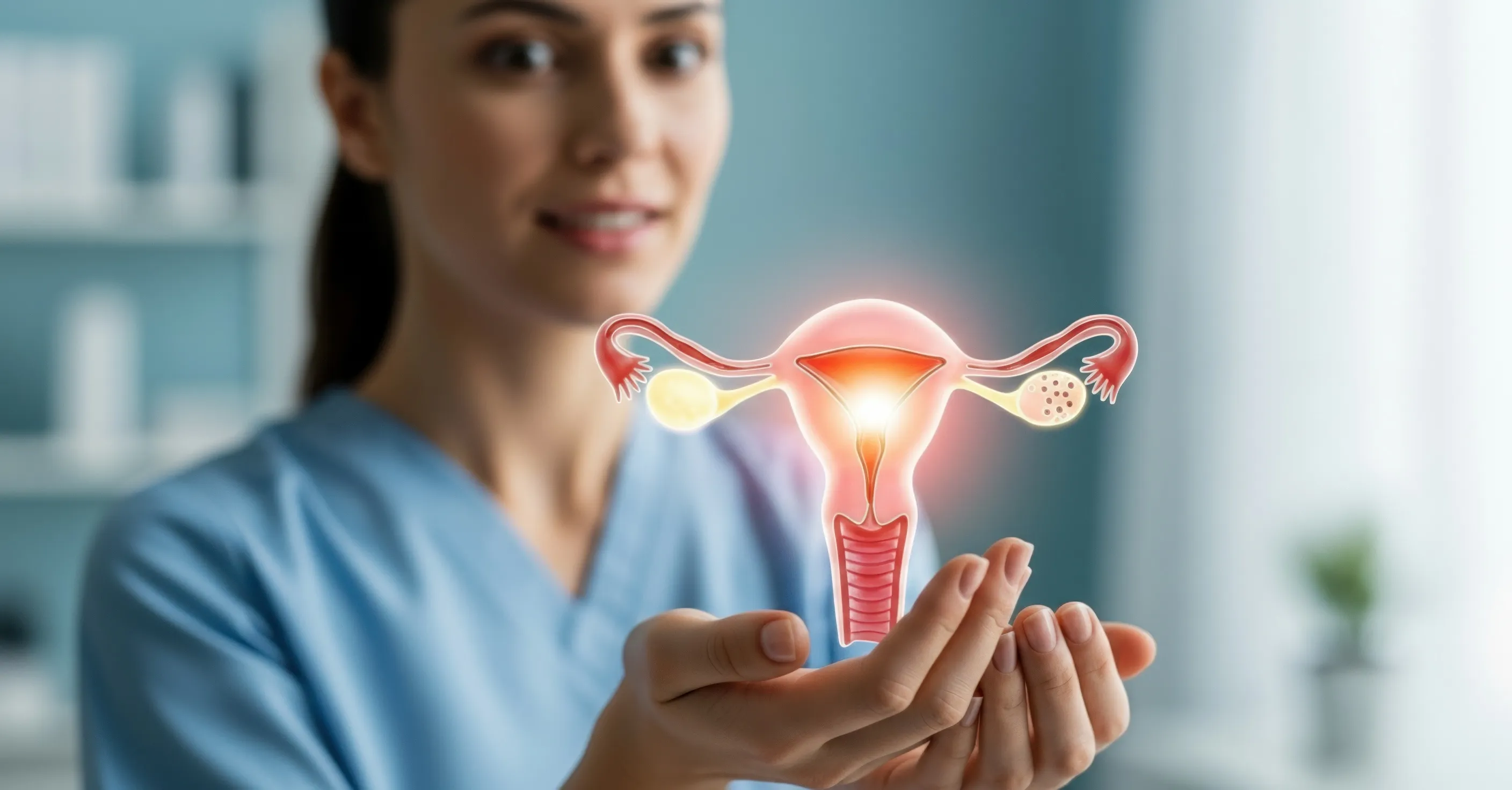
PCOS is a hormonal condition in which the ovaries produce higher-than-normal levels of androgens (male hormones). This imbalance disrupts the normal growth and release of eggs, leading to irregular or absent ovulation.

When ovulation does not happen regularly, conception becomes harder. The ovaries may develop small fluid-filled follicles that do not mature fully, which is where the "polycystic" name comes from. PCOS does affect pregnancy outcomes, but it does not make pregnancy impossible. Many women with PCOS conceive with the right support.

Characteristic Symptoms of PCOS to Watch For

PCOS symptoms in women vary considerably from person to person. Some women have only mild signs; others experience several at once. The most common include:

  • Irregular or infrequent menstrual periods, sometimes months apart
  • Heavier or unpredictable bleeding when periods do occur
  • Excess facial or body hair (hirsutism) due to raised androgen levels
  • Persistent acne on the face, chest, or back
  • Thinning scalp hair or male-pattern hair loss
  • Weight gain, particularly around the abdomen
  • Darkened skin patches in skin folds (acanthosis nigricans), often linked to insulin resistance
  • Difficulty losing weight despite effort

Not every woman with PCOS has all of these. Some women are lean with PCOS; others have a higher body weight but mild hormonal disruption. If several of these signs feel familiar, speak to your doctor about an evaluation.

How PCOS Impacts Fertility and Conception

The central fertility problem in PCOS is anovulation, meaning cycles where no egg is released. Without a released egg, fertilisation cannot happen naturally.

Several mechanisms drive this:

  • Raised luteinising hormone (LH) and disrupted follicle-stimulating hormone (FSH) ratios interfere with follicle development.
  • Insulin resistance, present in many women with PCOS, raises insulin levels, which in turn stimulate the ovaries to produce more androgens and further suppress ovulation.
  • Even when ovulation does occur, egg quality can sometimes be affected, which influences fertilisation rates.

Ovulation problems in PCOS range from occasional missed cycles to months without ovulation. Can you get pregnant with PCOS? Yes. Many women conceive naturally, particularly when hormonal disruption is mild. Others need medical support to trigger ovulation reliably. Age, weight, the degree of hormonal imbalance, and whether other fertility factors are present all influence the outcome.

PCOS Pregnancy Risks and Complications

Once pregnant, women with PCOS carry a modestly higher risk of certain complications compared to women without the condition. Knowing these helps you and your care team plan ahead.

Gestational diabetes is among the most common concerns. Underlying insulin resistance makes blood sugar regulation harder during pregnancy, when glucose demands rise significantly.

Pre-eclampsia (high blood pressure in pregnancy) occurs more often in women with PCOS. Regular blood pressure monitoring throughout pregnancy is important.

Miscarriage risk is also slightly elevated, though the exact reasons are still being studied. Hormonal factors and insulin resistance are thought to contribute.

Other PCOS pregnancy complications that are monitored include preterm birth and a higher likelihood of caesarean delivery. None of these are certain outcomes. With good antenatal care and close monitoring, most women with PCOS and pregnancy have healthy babies.

Medical and Lifestyle Management Strategies for Conception

There is a clear, well-established pathway for improving conception chances with PCOS, combining lifestyle changes with targeted medical treatment.

Lifestyle Changes

Weight loss of even 5 to 10 percent of body weight in women who are overweight can restore ovulation in some cases, because lower body weight reduces insulin resistance and brings androgen levels closer to normal.

Practical steps that help:

  • Follow a low-glycaemic diet with fewer refined carbohydrates, more fibre, lean protein, and vegetables
  • Aim for at least 150 minutes of moderate physical activity each week
  • Reduce processed foods and added sugars
  • Prioritise consistent sleep, since poor sleep worsens insulin resistance

Insulin-Sensitising Medication

Metformin is commonly prescribed to address insulin resistance in PCOS. By lowering insulin levels, it can help restore more regular ovulation and improve hormonal balance. Some doctors prescribe it alongside ovulation-inducing agents. Your doctor may recommend a slow-release metformin formulation or a combination preparation depending on your specific profile. Always follow your doctor's prescription and do not self-initiate metformin.

Ovulation Induction

When lifestyle changes alone are not enough, PCOS fertility treatment typically starts with oral ovulation-inducing agents. Letrozole is currently considered the preferred first-line option by many specialists. Clomiphene citrate is another agent with a long track record. If oral agents do not work, injectable gonadotropins or other assisted approaches may be considered. Your gynaecologist or reproductive endocrinologist will decide the sequence based on your individual response.

Contraindications and Precautions

Not every woman with PCOS is a suitable candidate for all fertility or insulin-sensitising medications. Your doctor will review your full medical history before prescribing.

Metformin is generally avoided in people with significant kidney impairment, liver disease, or a history of lactic acidosis. It is also used cautiously around procedures involving iodinated contrast dye.

Ovulation-inducing drugs such as letrozole and clomiphene citrate are contraindicated in pregnancy itself. They are also avoided in women with liver problems, unexplained vaginal bleeding, or certain hormone-sensitive conditions. Women with a history of ovarian hyperstimulation syndrome require careful monitoring if injectable gonadotropins are used.
Never start, stop, or adjust any of these medications without guidance from your prescribing physician. Report adverse events to your healthcare provider or the relevant regulatory authority.

Conclusion

Polycystic ovary syndrome (PCOS) can affect fertility because hormonal and metabolic changes may lead to irregular or absent ovulation, making it harder to predict fertile days and conceive. However, many women with PCOS can become pregnant, either naturally or with appropriate fertility support. Once pregnancy occurs, symptoms such as missed periods, breast tenderness, fatigue, nausea, and increased urination can occur, but these symptoms are not specific to PCOS or pregnancy and should be confirmed with a pregnancy test. Women with PCOS may have an increased risk of certain pregnancy complications, including gestational diabetes and hypertensive disorders, so appropriate prenatal monitoring is important. Anyone with PCOS who is trying to conceive or has a positive pregnancy test should discuss their health, medicines, nutrition, and pregnancy care with an obstetrician or other qualified healthcare professional.

FAQS

Can PCOS cause pregnancy complications?

Yes, PCOS is associated with a higher risk of gestational diabetes, pre-eclampsia, and miscarriage compared to women without the condition. Close antenatal monitoring significantly reduces the impact of these risks.

How long does it take to conceive with PCOS?

This varies widely. Some women with PCOS conceive within a few months of starting ovulation induction; others may take longer depending on age, weight, and how the body responds to treatment. Your doctor can give a more realistic timeline after assessing your situation.

What foods help PCOS fertility?

A low-glycaemic diet rich in vegetables, legumes, whole grains, and lean protein supports better insulin sensitivity, which in turn helps regulate ovulation. Reducing refined carbohydrates and sugary drinks is a practical starting point.

Can PCOS go away during pregnancy?

PCOS does not disappear during pregnancy. Androgen levels often normalise somewhat as pregnancy progresses, but the underlying hormonal tendency remains and usually returns after delivery.

Is IVF necessary for PCOS pregnancy?

Most women with PCOS do not need IVF. Oral ovulation induction is effective for many, and a significant proportion also conceive naturally or with lifestyle changes alone. IVF is generally considered when simpler treatments have not worked or when other fertility factors are present.

Apollo 247 Floating Action Button