logo
0

Peach Puree for Babies

 Learn how to make nutritious peach puree for babies, including its benefits, preparation methods, serving tips, storage, and essential safety guidelines.

article image

Dr.Kamran

Introducing solid foods to your little one is an exciting milestone. As your baby transitions from breast milk or formula to solids, you want to offer foods that are nutrient-dense, gentle on the stomach, and delicious. Preparing a homemade peach puree baby blend is one of the best ways to kickstart this culinary journey. Soft, naturally sweet, and packed with essential vitamins, peaches are a wonderful first fruit for infants.

In this comprehensive guide, we will explore the nutritional benefits of peaches, how to know when your baby is ready for solids, and a step-by-step recipe to make the perfect puree. We will also cover safe storage guidelines and creative flavor combinations to keep your growing baby happy and healthy.

Why Peach Puree Baby Meals Benefit Your Infant

Peaches are more than just a delicious summer treat. They are packed with essential vitamins, minerals, and dietary fibres that support your infant's rapid growth and development. Feeding your infant peach puree for baby developmental health offers several key nutritional advantages:

1. Supports Immune Health and Iron Absorption

Peaches are an excellent source of Vitamin C. According to the Centers for Disease Control and Prevention (CDC), infants need adequate Vitamin C to support a developing immune system. Furthermore, Vitamin C plays a critical role in helping your baby's body absorb iron from non-heme (plant-based) food sources, such as infant iron-fortified cereals.

2. Promotes Healthy Digestion and Relieves Constipation

When babies begin eating solid foods, their digestive systems undergo a major transition, which can sometimes lead to mild constipation. Paediatricians often recommend "P" fruits—such as peaches, pears, plums, and prunes—to help get things moving. Peaches contain a high amount of dietary fibre and natural sugars like sorbitol, which naturally draw water into the bowel to soften stools.

3. Aids Vision and Skin Development

The beautiful orange-yellow hue of a ripe peach comes from beta-carotene, which the human body converts into Vitamin A. The Mayo Clinic notes that Vitamin A is essential for maintaining healthy vision, supporting skin health, and ensuring proper cellular growth.

4. High Hydration Content

With a water content of around 88%, peaches are highly hydrating. This helps your baby stay hydrated throughout the day, especially as they begin to explore textures and slightly drier foods like baby oatmeal or toast.

When Can Babies Eat Peach Puree?

According to guidelines from the World Health Organization (WHO) and the CDC, most infants are ready to start complementary solid foods around 6 months of age. Before this point, breast milk or infant formula provides all the necessary nutrition your baby needs.

Signs of Developmental Readiness

Before offering any solid food, including a smooth peach puree baby dish, check that your child displays these developmental signs:

  • Good Head Control: Your baby can hold their head upright and steady without support.
  • Sitting Upright: Your baby can sit with little to no support in a high chair.
  • Loss of Tongue-Thrust Reflex: They no longer automatically push food out of their mouth with their tongue.
  • Interest in Food: Your baby watches you eat, reaches for your food, or opens their mouth when food is offered.

Always consult your pediatrician before introducing new foods, especially if your baby was born prematurely or has existing digestive concerns.

Selecting the Best Peaches for Baby Food

To make the highest-quality peach puree baby food, start with high-quality fruit.

Fresh vs. Frozen vs. Canned Peaches

  • Fresh Peaches: Ideally, use fresh, organic peaches when they are in season (typically summer). Look for peaches that are fragrant, slightly soft to the touch, and free of soft spots or deep bruises.
  • Frozen Peaches: Frozen peaches are an excellent, budget-friendly alternative when fresh peaches are out of season. They are usually picked and frozen at peak ripeness, preserving their nutritional value. Ensure there are no added sugars or preservatives in the ingredient list.
  • Canned Peaches: While convenient, canned peaches are often packed in heavy syrups or juices with high sugar content. If you must use canned peaches, select those packed in 100% water or natural fruit juice, and rinse them thoroughly before pureeing.
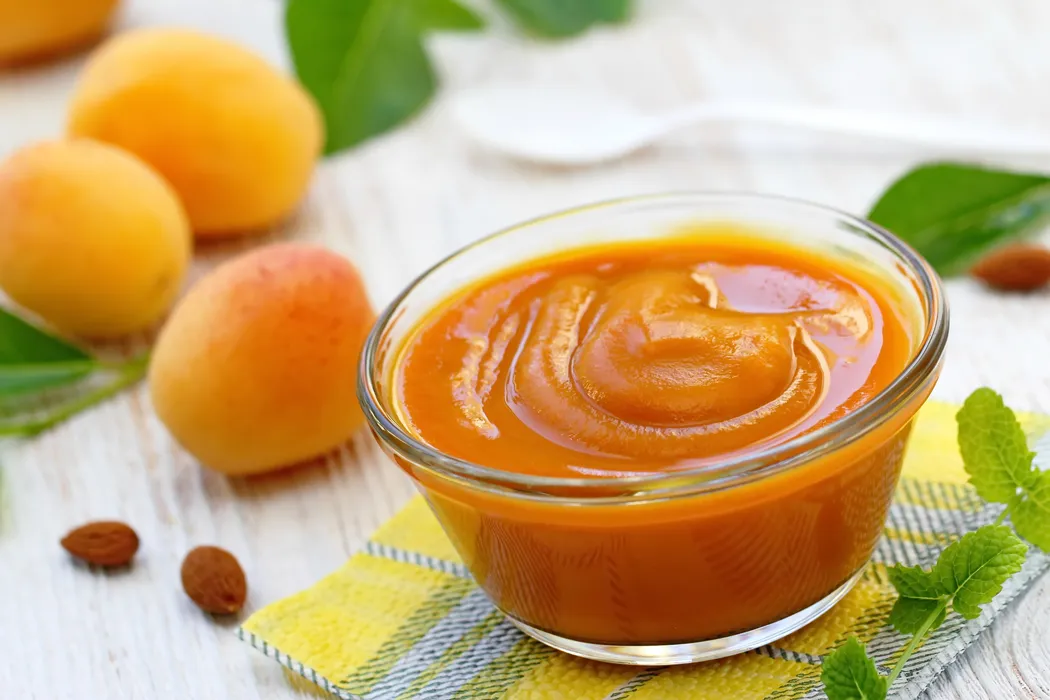
Freestone vs. Clingstone Peaches

  • Freestone Peaches: The flesh of these peaches easily separates from the pit. They are much easier to slice and prepare for baby food.
  • Clingstone Peaches: The flesh clings tightly to the pit. While still delicious, they require a bit more effort to cut and pit safely.

Step-by-Step Recipe: How to Make Peach Puree

Making homemade peach puree baby food is simple, cost-effective, and allows you to control exactly what goes into your baby's body without any artificial additives or stabilizers.

Equipment Needed:

  • A medium saucepan or vegetable steamer basket

  • A sharp knife and cutting board
  • A blender, food processor, or immersion blender
  • A slotted spoon
  • A large bowl filled with ice water (for easy peeling)
  • Airtight storage containers or silicone ice cube trays

Step 1: Wash and Prep the Peaches

The CDC emphasizes the importance of washing all fresh produce under clean, running water to remove dirt and surface bacteria. Do not use soap or commercial produce washes.

Step 2: Peel Using the Blanching Method

Peeling peaches with a knife can waste a lot of the fruit's flesh. The easiest and most efficient way to peel peaches is by blanching them:

  1. Bring a pot of water to a boil.
  2. Using your knife, score a gentle "X" on the bottom of each peach.
  3. Carefully lower the peaches into the boiling water for 45 to 60 seconds.
  4. Remove them with a slotted spoon and immediately plunge them into the bowl of ice water.
  5. Once cooled, the skins will easily slip right off with your fingers.

Step 3: Slice and Pit

Cut the peeled peaches in half, remove the hard inner pit, and chop the peach flesh into uniform, bite-sized chunks.

Step 4: Cook the Peaches (Recommended for Young Babies)

While very ripe peaches can technically be pureed raw for older infants, cooking them makes the fibres softer and much easier for younger babies (6–8 months) to digest.

  • Steaming (Best for preserving nutrients): Place the peach slices into a steamer basket over boiling water. Cover and steam for 5 to 7 minutes, or until the slices are fork-tender.
  • Baking (Enhances natural sweetness): Roast peach halves cut-side down on a baking sheet at 375°F (190°C) for 15 to 20 minutes until soft.

Step 5: Blend to Perfection

Transfer the cooked peaches to your blender or food processor. To achieve the perfect texture for a smooth peach puree baby blend, blend on high speed until completely liquid.

  • To thin the puree: Add a splash of breast milk, prepared infant formula, water, or the leftover steaming liquid.
  • To thicken the puree: For older babies who are ready for more texture, you can blend less or mix the puree with infant oatmeal or mashed banana.

Safe Storage and Freezing Guidelines

Proper storage is critical to prevent bacterial growth and ensure your homemade food remains fresh and nutritious.
 

Storage MethodSafe DurationBest Practices
Refrigerator48 to 72 HoursStore in an airtight glass or BPA-free plastic container.
FreezerUp to 3 MonthsSpoon puree into clean silicone ice cube trays, freeze solid, then transfer the cubes to a labeled freezer-safe bag.

How to Defrost Frozen Puree

To thaw frozen peach puree for baby consumption, place the desired number of frozen cubes in an airtight container and let them defrost in the refrigerator overnight.

If you need to defrost it quickly, place the container in a warm water bath. Avoid defrosting baby food at room temperature on the counter, as this can encourage rapid bacterial growth. Always test the temperature of warmed puree on the inside of your wrist before feeding your child.

Creative Flavor Pairings and Combinations

Once your baby has safely tasted peach puree on its own, you can begin mixing it with other foods. This helps expand their palate and exposes them to different textures. Here are some healthy and delicious pairings:

  • Peach & Oatmeal: Stir a spoonful of peach puree into warm, prepared baby oatmeal or barley cereal.
  • Peach & Greek Yogurt: Mix peach puree into plain, unsweetened whole-milk Greek yogurt for a creamy, protein-packed snack (recommended for babies 6 months and older who have no dairy sensitivities).
  • Sweet Potato & Peach: Blend cooked sweet potato with peach puree for a warm, comforting, and vitamin-rich vegetable-fruit blend.
  • Peach & Banana Mash: Combine ripe mashed banana with peach puree for a naturally sweet, no-cook breakfast option.
  • Spiced Peach Puree: Add a tiny pinch of ground cinnamon or nutmeg to the puree to gently introduce your baby to mild spices.

Food Allergies and the "Four-Day Rule"

According to the Mayo Clinic, peaches are not considered one of the top nine food allergens. However, any food has the potential to trigger an allergic reaction. When introducing any new food to your baby:

  1. Introduce One Food at a Time: Feed your baby only peaches for 3 to 5 days without introducing other new foods. This makes it easier to identify the culprit if a reaction occurs.
  2. Monitor for Symptoms: Watch for signs of an allergic reaction, which may include hives, vomiting, diarrhoea, swelling of the face or lips, or wheezing. If you observe mild symptoms, contact your pediatrician. If your baby experiences difficulty breathing or severe swelling, seek emergency medical care immediately.
  3. Oral Allergy Syndrome (OAS): Babies with a family history of birch pollen allergies may occasionally show a mild reaction to raw peaches. Cooking the peaches, as outlined in our recipe, breaks down the proteins responsible for OAS, making the food much safer and easier to digest.

Conclusion

Peach puree is a nutritious, naturally sweet, and easy-to-digest option for babies beginning complementary foods around 6 months of age. With its vitamin C, hydration, fibre, and other nutrients, it can support healthy growth and digestion.

By choosing ripe peaches, preparing them hygienically, adjusting the texture to your baby's developmental stage, and following proper storage guidelines, you can safely include peach puree as part of a varied infant diet. Introduce peaches gradually, watch for possible reactions, and consult your pediatrician when needed.

FAQS

Do I have to peel peaches when making baby puree?

Yes, it is highly recommended to peel peaches when making a first peach puree baby meal. Peach skins can be tough, difficult to blend smoothly, and present a mild choking hazard for young infants. As your baby transitions to finger foods around 9 to 10 months, you can gradually introduce small, soft pieces of well-washed, unpeeled ripe peach.

Can I use frozen peaches to make puree?

Absolutely. Frozen peaches are a fantastic, highly nutritious option. They are flash-frozen at their peak nutritional state. Simply steam or thaw them before blending, and make sure to buy frozen peaches without any added sugars or artificial ingredients.

How do I help my baby transition from smooth puree to textured mash?

When your baby is around 8 to 9 months old and comfortable with smooth purees, you can gradually increase the texture. Instead of blending the peaches completely, try mashing them thoroughly with a fork. This helps your baby develop critical chewing and swallowing coordination.

Why is peach puree turning brown, and is it safe?

Like apples and bananas, peaches undergo enzymatic browning when exposed to oxygen. This natural process is harmless, and the puree remains safe to eat. To minimize browning, you can add a few drops of lemon juice to the puree (if your baby tolerated citrus foods previously) or store the puree in an airtight container immediately after preparation.

Can peach puree help relieve my baby's constipation?

Yes, peach puree is highly effective at relieving mild infant constipation. Peaches contain natural dietary fibre and sorbitol, a sugar alcohol that naturally softens stool and encourages healthy bowel movements.

Apollo 247 Floating Action Button