logo
0

Period Cramps: Causes, Relief & Treatment Guide

Learn about period cramps, including common causes, symptoms, treatment options, home remedies and practical ways to manage menstrual pain safely.

article image

Dr.Rohini priyanaka

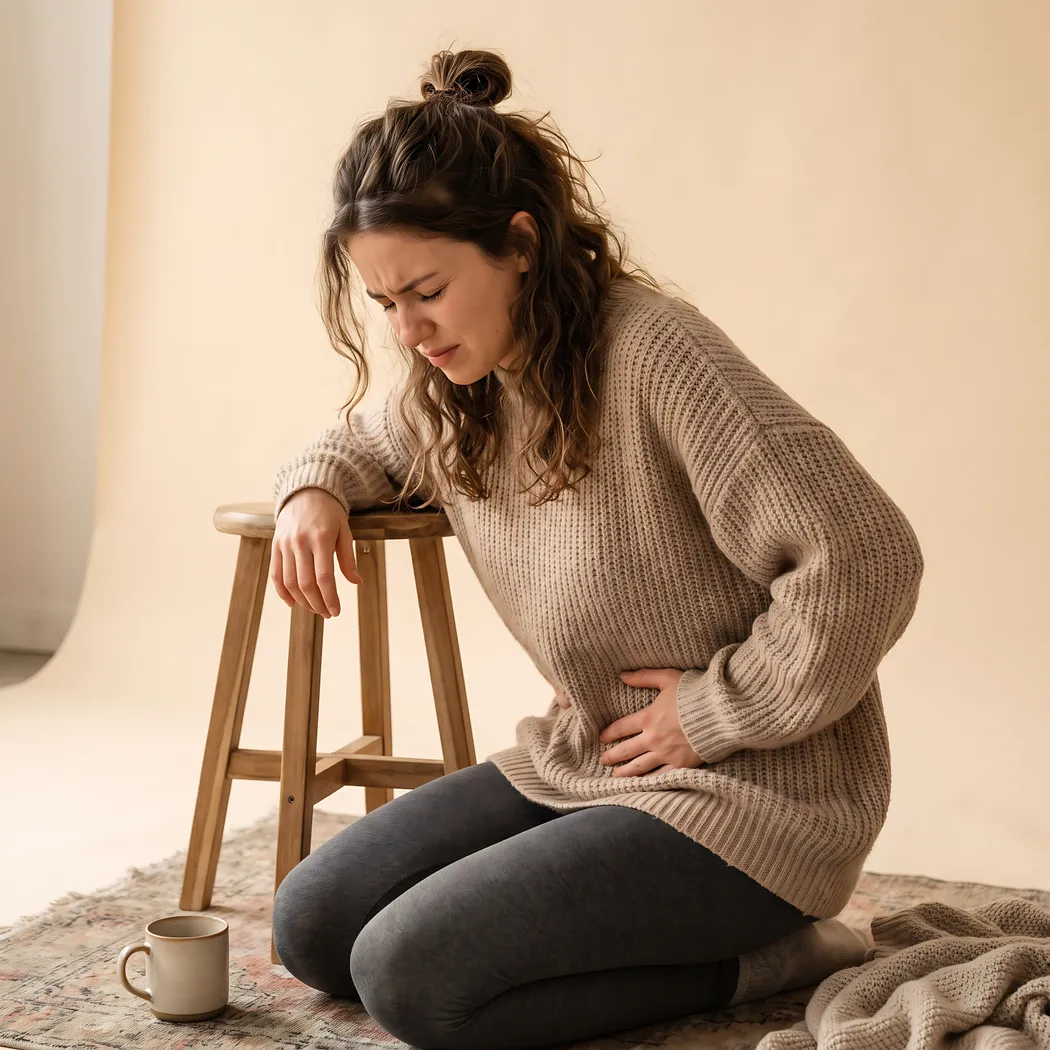
Period cramps are one of the most common reasons women miss work, school, or daily activities every month. Understanding why period cramps happen, recognising what counts as normal pain, and knowing your relief options can make a real difference in how you get through each cycle. This guide covers everything from basic biology to when pain needs medical attention.

What Are Period Cramps and Why Do They Happen?

The uterus is a muscle, and like any muscle, it contracts. Just before and during your period, the uterine lining releases chemicals called prostaglandins. These trigger contractions that help the body shed the lining. Higher prostaglandin levels mean stronger contractions, which press on nearby blood vessels and reduce oxygen flow to the uterine tissue. That restricted oxygen is what you feel as cramping.

Doctors classify menstrual cramps into two types:

  • Primary dysmenorrhea is pain with no underlying disease. It is the most common type and usually starts within a year or two of the first period. Pain tends to be worst in the first day or two of bleeding and improves as the period progresses.
  • Secondary dysmenorrhea is pain caused by an identifiable condition such as endometriosis, fibroids, or pelvic inflammatory disease. It tends to start earlier in the cycle, last longer, and worsen over time.

Common Symptoms of Menstrual Cramps

Period cramps are not just lower-abdominal pain. The full picture can include:

  • A dull, throbbing, or sharp ache in the lower abdomen
  • Pain that radiates to the lower back and inner thighs
  • Nausea, and in some cases vomiting
  • Loose stools or diarrhoea, because prostaglandins affect the bowel too
  • Headache and mild dizziness
  • Fatigue during the first couple of days of bleeding

Timing matters. Primary dysmenorrhea symptoms typically begin a few hours before bleeding starts and peak within the first 24 to 48 hours. If your pain starts well before your period and lingers after bleeding stops, that pattern deserves attention.

When Cramps Signal Severe Dysmenorrhea or an Underlying Condition?

Severe dysmenorrhea is pain intense enough to interfere with daily functioning consistently, cycle after cycle. It is not something to push through and ignore. Several conditions can drive this level of pain.

  • Endometriosis occurs when tissue similar to the uterine lining grows outside the uterus. Pain is often severe, and women may also notice pain during intercourse, difficult bowel movements, or chronic pelvic pain outside their period.
  • Uterine fibroids are non-cancerous growths that can increase cramping intensity and cause heavier-than-normal bleeding.
  • Pelvic inflammatory disease (PID) is an infection, usually bacterial, affecting the reproductive organs. It can cause pain throughout the month and may be accompanied by fever and unusual discharge.
  • Adenomyosis is a related condition where the uterine lining grows into the muscle wall, causing heavy, painful periods.

See a doctor promptly if you notice:

  • Pain that is getting worse with each cycle rather than staying the same
  • Cramps that do not respond to over-the-counter pain relief
  • Pain accompanied by fever, heavy bleeding with large clots, or unusual discharge
  • New pain that starts after a previously comfortable menstrual history
  • Pain significant enough to stop you from functioning

Early diagnosis of conditions like endometriosis can prevent long-term complications, including fertility problems.

Home Remedies and Lifestyle Measures for Period Pain Relief

Non-drug approaches are a good first step and can be effective on their own for mild to moderate pain, or combined with medication for stronger relief.

  • Heat therapy is one of the most evidence-backed options. A heat pad or hot water bottle placed on the lower abdomen for 15 to 20 minutes relaxes the uterine muscle and improves blood flow. Warm baths have a similar effect.
  • Movement and exercise may feel counterintuitive when you are in pain, but light activity such as walking, yoga, or stretching releases endorphins that naturally reduce pain perception. Even a 20-minute walk can help.
  • Diet adjustments in the days leading up to your period can reduce bloating and inflammation. Cutting back on salt, caffeine, and processed foods helps. Some women find that increasing omega-3-rich foods such as walnuts and flaxseed reduces cramp intensity over time.
  • Hydration reduces bloating, which can worsen cramp discomfort. Warm water and herbal teas such as chamomile or ginger are gentle options.
  • Magnesium may help reduce muscle tension. Foods like leafy greens, nuts, and seeds are good dietary sources. Speak to your doctor before starting any supplement.
  • Stress management is worth taking seriously. High cortisol levels can amplify pain sensitivity, so practices like deep breathing, mindfulness, or even adequate sleep can make cramps more bearable.

Medications Used for Menstrual Pain Management

When home remedies are not enough, medication is the next step.

  • NSAIDs (non-steroidal anti-inflammatory drugs) are the most commonly recommended medicines for menstrual cramps relief. They work by blocking prostaglandin production at the source, which reduces both inflammation and contraction intensity. Ibuprofen and mefenamic acid are two NSAIDs widely used in India for period pain treatment. Starting the dose at the first sign of pain, or even a day before your period is expected, gives better results than waiting until pain is severe.
  • Antispasmodic agents relax the smooth muscle of the uterus and can be used alongside or instead of NSAIDs in some cases. Your doctor can advise which combination suits your symptoms.
  • Hormonal options such as low-dose oral contraceptive pills are sometimes prescribed by gynaecologists to suppress ovulation and reduce prostaglandin production over the long term. These require a prescription and a proper medical assessment.

For mild to moderate cramps, an OTC pain relief tablet option for menstrual cramps may provide relief when used as directed. Always read the label and check the ingredients before use.

Contraindications and Precautions

Not everyone can safely use standard period pain medication. NSAIDs in particular should be avoided or used with caution if you have:

  • A history of peptic ulcer disease or gastrointestinal bleeding
  • Kidney impairment or chronic kidney disease
  • Liver disease
  • Cardiovascular conditions including uncontrolled high blood pressure or a history of heart attack
  • Known allergy to aspirin or other NSAIDs
  • Pregnancy or suspected pregnancy. NSAIDs carry specific risks in pregnancy, particularly after 20 weeks of gestation

Antispasmodics have their own precaution profile, including caution in people with glaucoma, urinary retention, or certain heart conditions.

Always inform your doctor or pharmacist about all other medicines you are taking. Some combinations, such as NSAIDs with blood thinners, increase bleeding risk significantly. If you are unsure whether a medicine is right for you, consult a healthcare professional before starting.

Conclusion

Period cramps are common and can often be managed with simple measures such as heat therapy, gentle physical activity, rest and appropriate pain relief. However, severe, worsening or persistent menstrual pain may sometimes be linked to an underlying condition such as endometriosis, fibroids or pelvic infection. If cramps interfere with daily activities, change suddenly or occur with very heavy bleeding, unusual discharge, fever or other concerning symptoms, seek medical evaluation to identify the cause and receive appropriate treatment.

FAQS

How long do period cramps normally last?

For most women with primary dysmenorrhea, cramps are worst in the first 24 to 48 hours of their period and ease off as bleeding progresses, usually resolving within two to three days. Pain that starts before bleeding, lasts beyond the period, or worsens each cycle is worth discussing with a doctor.

Can period cramps mean pregnancy?

Early pregnancy can cause cramping that feels similar to menstrual pain, because the uterus stretches and implantation occurs. If your cramps arrive without a period, or your period is unusually light alongside cramping, taking a home pregnancy test is a reasonable first step.

What foods worsen period cramps?

Foods high in salt increase water retention and bloating, making cramps feel worse. Excessive caffeine can constrict blood vessels and heighten pain, while heavily processed and fried foods promote inflammation. Reducing these in the week before your period may help.

Is walking good for period cramps?

Yes, light walking is generally helpful. Physical movement stimulates the release of endorphins, the body's natural pain-dampening chemicals, and improves pelvic blood circulation. Even a gentle 20-minute walk during your period can reduce cramp intensity for some women.

When should I see a doctor for period cramps?

See a doctor if your cramps are severe enough to stop normal activity, do not respond to over-the-counter pain relief, are getting progressively worse over several cycles, or are accompanied by fever, unusual discharge, or very heavy bleeding. These signs may point to an underlying condition that needs diagnosis and treatment.
Apollo 247 Floating Action Button