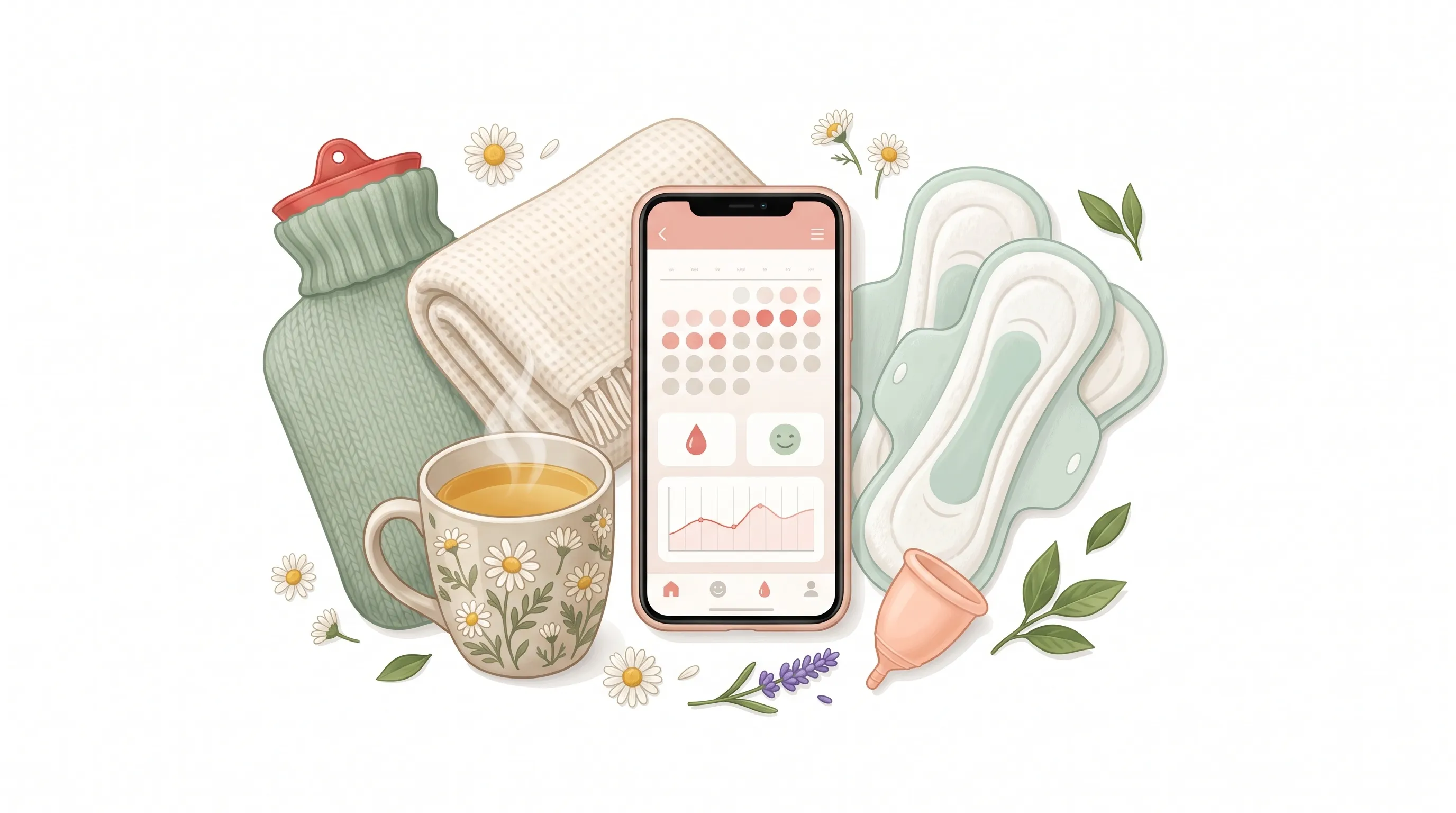
Understanding the menstrual cycle can help women recognise normal changes in bleeding, symptoms, and cycle timing while identifying patterns that may need medical attention. The cycle includes menstruation, the follicular phase, ovulation, and the luteal phase, with hormonal changes influencing bleeding, cervical mucus, breast tenderness, mood, energy, and other symptoms. Tracking period dates, flow, pain, and associated symptoms can help identify individual patterns and provide useful information during medical consultations. Cycle length and symptoms can vary between individuals and may change with age, stress, illness, contraception, pregnancy, and other factors. Very heavy bleeding, severe menstrual pain, bleeding between periods, persistently irregular or absent periods, or sudden changes in a previously regular cycle should be discussed with a qualified healthcare professional. Seeking timely medical advice can help identify underlying conditions and support appropriate management.