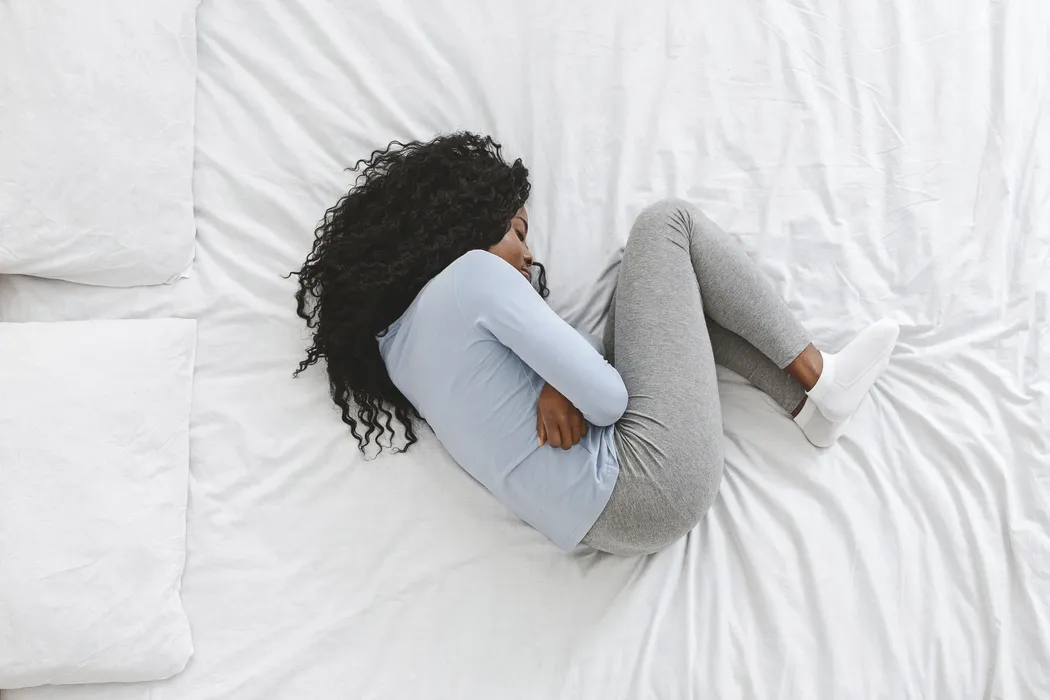
Managing Period Symptoms at Home
Mild to moderate period symptoms respond well to a mix of self-care and, where needed, over-the-counter medication. Knowing how to manage period pain naturally alongside appropriate medication gives you more options depending on what each month brings.
Heat Therapy
A hot water bottle or heating pad placed on the lower abdomen is one of the most immediate ways to ease cramps. Heat relaxes the uterine muscle and improves local blood flow. Use it for 15 to 20 minutes at a time, with a cloth between the pad and your skin.
Movement and Exercise
Light aerobic activity, gentle yoga, or a brisk walk encourages the release of endorphins, the body's natural pain-dampening chemicals. Regular movement throughout the whole month, not just during your period, tends to reduce cramping intensity over time and supports menstrual pain relief without medication. Learning how to manage period pain naturally through consistent exercise is one of the most sustainable strategies available.
Diet Adjustments
What you eat in the week before your period can noticeably influence how you feel during it.
- Reduce salt to limit bloating and water retention
- Cut back on caffeine and alcohol, which can worsen mood swings and breast tenderness
- Include omega-3 rich foods such as fish, flaxseed, and walnuts, which may help moderate prostaglandin activity
- Stay well hydrated, since dehydration worsens headaches and fatigue
Over-the-Counter Pain Relief
For faster menstrual pain relief, non-steroidal anti-inflammatory drugs (NSAIDs) are the most evidence-backed option. Ibuprofen and mefenamic acid both work by reducing prostaglandin production, which means they address the underlying cause of cramping rather than simply masking the pain.
A mefenamic acid tablet for period pain relief is a commonly used NSAID option, typically started at the onset of cramps and continued through the first couple of heavy days. If you are looking for a different formulation suited to menstrual discomfort, an OTC tablet option for menstrual discomfort may be worth discussing with your pharmacist to confirm it suits your symptom profile and medical history.
Always read the label, use the lowest effective dose, and do not take NSAIDs for longer than recommended without medical advice. Report adverse events to your healthcare provider or the relevant regulatory authority.
Stress Management
High cortisol levels can amplify premenstrual syndrome symptoms. Deep breathing, consistent sleep of seven to eight hours, and limiting screen time before bed can reduce the emotional burden of your cycle. These habits also indirectly support menstrual pain relief by lowering the body's overall stress response.