logo
0

Positive Pregnancy Test: How to Read Your Result

Learn how to read a positive pregnancy test, understand faint and evaporation lines, recognise possible false results and know what to do after a positive test.

article image

Dr. Vasantha Sree

Seeing a positive result on a home pregnancy test can bring a mixture of emotions, particularly when you are unsure how to interpret what you see. Understanding how pregnancy tests work, what a faint line means and when to seek medical advice can help you decide what to do next.

This guide explains how to read a pregnancy test correctly, why faint or evaporation lines can occur, what can cause misleading results and what steps to take after a positive result.

How Do Home Pregnancy Tests Work?

Home pregnancy tests detect human chorionic gonadotropin (hCG) in urine. hCG is produced by cells that develop into the placenta after implantation.

The amount of hCG increases during early pregnancy, but the rate of increase varies between pregnancies. Testing too early may result in a negative test even when pregnancy has occurred because the hCG level may not yet be high enough for the test to detect.

Most home pregnancy tests can be used from the first day of a missed period. Always follow the instructions supplied with your specific test.

How Do You Read a Pregnancy Test Result?

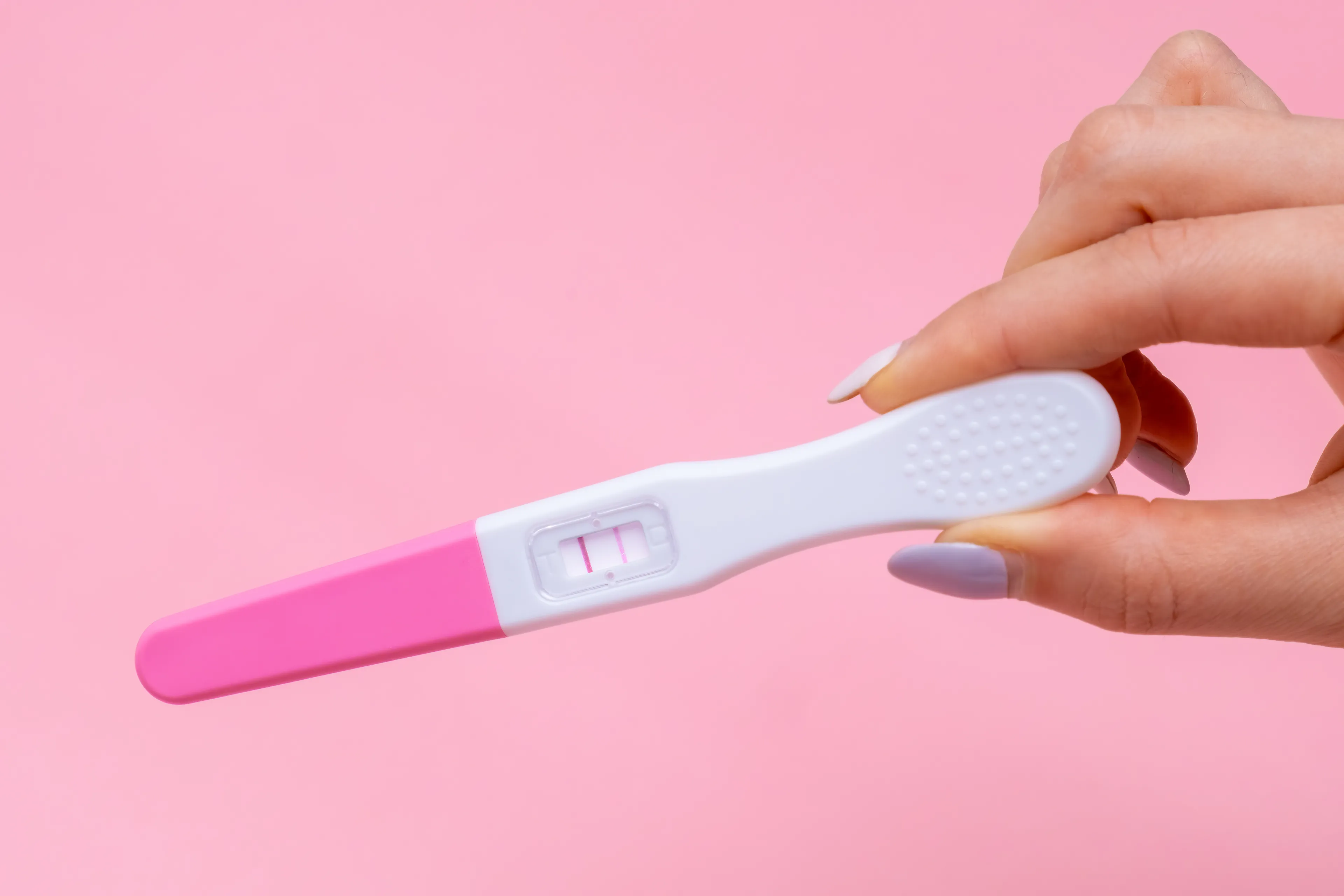
Most line-based pregnancy tests have a control line and a test line.

  • Control line: Shows that the test has worked correctly.
  • Test line: Appears when the test detects hCG.
  • A positive result usually shows both the control line and a second coloured test line within the specified reading time. The test line may be lighter than the control line, particularly when testing early.

A negative result usually shows only the control line.

An invalid result occurs when the control line does not appear. In this situation, the test has not worked correctly and should be repeated with a new test.

Digital pregnancy tests may display a result such as “Pregnant” or “Not Pregnant”. Always read the result within the time stated in the test instructions.

What Does a Faint Line on a Pregnancy Test Mean?

A faint second line that appears within the test's specified reading window usually means that hCG has been detected and the result is positive.

A faint line can occur when you test early, and the amount of hCG in your urine is still relatively low. Urine dilution can also affect how clearly the test line appears.

The darkness of the test line does not indicate how healthy a pregnancy is or how high your hCG level is. You should not use line intensity to monitor whether hCG is rising normally.

If you are unsure about a faint result, repeat the test after a few days or speak with your doctor.

How Can You Tell an Evaporation Line From a Positive Result?
 

An evaporation line can appear when a pregnancy test is left for longer than the recommended reading time. It may be faint, grey or colourless and can be mistaken for a positive test.

The timing of the result is particularly important.

  • A true positive should appear within the reading window specified by the test manufacturer.
  • An evaporation line may become visible after that time.
  • A coloured second line within the specified reading window should generally be interpreted as a positive result.
  • A result that appears only after the reading window should not be interpreted as a positive result.

If you have checked the test too late and are unsure what the result means, use a new test and follow the instructions carefully.

What Can Cause a False-Positive or False-Negative Pregnancy Test?


Home pregnancy tests are generally reliable when used correctly, but misleading results can occur.

Causes of a False-Positive Result

A false-positive result means the test indicates pregnancy when you are not currently pregnant. Possible causes include:

  • A recent pregnancy or early pregnancy loss, because hCG can remain in the body for some time.
  • Fertility medicines containing hCG.
  • Certain uncommon medical conditions that can produce hCG.
  • An expired, damaged or incorrectly used test.


Causes of a False-Negative Result

A false-negative result means the test is negative even though you are pregnant. Possible causes include:

  • Testing too early.
  • Diluted urine.
  • Not following the test instructions correctly.
  • Checking the result outside the specified reading window.

If your test is negative but your period remains absent, repeat the test after a few days.

Can Medicines Affect a Pregnancy Test?

Most commonly used medicines do not affect the result of a home pregnancy test. This includes most contraceptive pills, antibiotics, and commonly used pain medicines.

Medicines containing hCG, which may be used during fertility treatment, can produce a positive pregnancy test even when pregnancy has not occurred. If you are receiving fertility treatment, ask your fertility specialist when you should take a pregnancy test.

If you take regular medicines and think you’re pregnant, speak with your doctor or pharmacist before making any changes. Do not stop prescribed medicines without medical advice.

What Should You Do After a Positive Pregnancy Test?

A positive home pregnancy test usually means that hCG has been detected and that you are likely to be pregnant.

If you have a positive result:

  • Arrange antenatal care with your doctor or maternity service.
  • Start or continue folic acid as recommended.
  • Avoid alcohol and smoking.
  • Review your medicines and supplements with your doctor or pharmacist.
  • Tell your healthcare professional about any existing medical conditions.
  • Follow advice about recommended antenatal tests and appointments.

A blood hCG test or ultrasound may be recommended depending on your circumstances. A blood test is not necessarily required immediately for everyone with a positive home pregnancy test.

When Should You See a Doctor After a Positive Pregnancy Test?

Arrange antenatal care after a positive pregnancy test. Your doctor can advise you about the timing of your first appointment and any tests that may be appropriate.

Seek urgent medical attention if you have a positive pregnancy test and develop:

  • Severe or worsening abdominal or pelvic pain, particularly on one side
  • Heavy vaginal bleeding
  • Severe dizziness or fainting
  • Shoulder-tip pain, particularly with abdominal pain or dizziness
  • Severe pain with bleeding or feeling very unwell

These symptoms can occur with an ectopic pregnancy, which requires prompt medical assessment.

What Precautions Should You Take After a Positive Test?

If you think you’re pregnant:

  • Take folic acid as recommended.
  • Avoid alcohol and smoking.
  • Check with your doctor or pharmacist before taking new medicines, supplements or herbal products.
  • Do not stop prescribed medicines without medical advice.
  • Avoid taking high-dose vitamin supplements unless recommended by your healthcare professional.
  • Arrange antenatal care

If you have a medical condition or take regular medicines, contact your healthcare professional early in pregnancy so your treatment can be reviewed if necessary.

Conclusion

A positive home pregnancy test usually means that hCG has been detected. A faint coloured line that appears within the specified reading window can also indicate pregnancy, while a line that appears only after the reading window may be an evaporation line.

If you have a positive result, arrange antenatal care and discuss medicines, supplements and any existing health conditions with your healthcare professional. Seek urgent medical attention if you develop severe abdominal or pelvic pain, heavy bleeding, severe dizziness, fainting or shoulder-tip pain.

FAQS

How accurate are home pregnancy tests?

ome pregnancy tests are generally highly reliable when used correctly from the first day of a missed period. Testing too early, using diluted urine or not following the test instructions can increase the chance of a false-negative result.

Can a faint line on a pregnancy test be a false positive?

A faint coloured line that appears within the specified reading window usually indicates that hCG has been detected. If the line appears only after the reading window, it may be an evaporation line. If you are uncertain, repeat the test with a new kit.

How long after a positive pregnancy test should I see a doctor?

Arrange antenatal care after a positive test. The timing of your first appointment depends on your individual circumstances. Seek urgent medical attention sooner if you have severe pain, heavy bleeding, dizziness, fainting or other concerning symptoms.

Can medicines affect pregnancy test results?

Most medicines do not affect home pregnancy tests. Fertility medicines containing hCG can cause a positive result even when you are not pregnant. Tell your doctor about any fertility treatment or medicines you are taking.

What should I do immediately after getting a positive pregnancy test?

Arrange antenatal care, start or continue folic acid as recommended, avoid alcohol and smoking, and discuss your medicines and supplements with your doctor or pharmacist. Do not stop prescribed medicines without medical advice.

Apollo 247 Floating Action Button