logo
0

Potato for Babies: Puree and Recipes | First Foods Guide

Learn how to make potato puree for babies. Discover easy recipes, nutritional benefits, and safe ways to introduce potatoes to your 6-month-old infant.

article image

Dr.Mayank

Introducing solid foods is an exciting milestone in your child’s first year of life. As your little one transitions from a milk-only diet, you want to choose foods that are gentle on their stomach, nutrient-dense, and easy to swallow. A smooth, warm potato puree for baby is one of the most popular and comforting first foods you can offer.

At around six months of age, most infants begin showing developmental signs of readiness for solids, such as sitting up with support and losing the tongue-thrust reflex. But is potato good for babies 6 months of age? Yes, absolutely! If you are asking yourself, can I give potato to my 6-month-old baby or can I give potato to my 7-month-old baby, you are in the right place.

In this comprehensive guide, we will explore the health benefits of potatoes, provide step-by-step instructions on how to make potato puree for a baby, and share simple, nutritious recipes your little one will love.

Is Potato Good for Babies? The Health Benefits

When you begin your baby's culinary journey, you might wonder: is potato good for babies? The short answer is yes. Potatoes are an excellent energy source, which is exactly what a rapidly growing infant needs.

When considering potato puree for baby benefits, it is also worth noting that potatoes have a mild, neutral taste. This makes them a perfect base for introducing new flavours and textures. Furthermore, is boiled potato good for babies? Yes, boiling is one of the safest and healthiest preparation methods because it retains many water-soluble vitamins while creating a soft, easily blendable texture.

Let's look at the specific potato puree benefits for baby growth and development:

  • Easy to Digest: The gentle starches in potatoes are incredibly easy on a developing digestive system. If you are wondering, is potato puree good for baby tummies? Yes, because cooking breaks down the complex starches, making them highly digestible.
  • Rich in Key Vitamins: Potatoes contain essential vitamins, particularly vitamin C and vitamin B6, which support brain development and strengthen the immune system.
  • Source of Dietary Fibre: The fibre content helps promote healthy, regular bowel movements, preventing constipation that sometimes occurs when babies start solid foods.
  • High in Potassium: This vital mineral supports healthy muscle function and cardiovascular health.

When and How to Introduce Potatoes

According to the American Academy of Paediatrics (AAP), you can introduce solid foods around 6 months of age.

At 6 Months: If you are wondering, can I give boiled potato to my 6-month-old baby, the answer is yes. At this stage, your baby’s food must be completely smooth and lump-free to prevent choking. A plain potato puree baby food is the safest starting point.

At 7 Months: If you are asking yourself, can I give boiled potato to my 7-month baby, you can absolutely do so. At this stage, you can offer a slightly thicker potato puree for 7 months baby to encourage oral motor development.

Can Baby Eat Potato Every Day?

While potatoes are highly nutritious, you might wonder, can a baby eat potato every day? While it is safe in moderation, variety is key in infant nutrition. Offering a wide range of colourful vegetables, fruits, and grains ensures your baby receives a balanced mix of different vitamins and minerals. Try to rotate potatoes with other wholesome options like sweet potatoes, squash, and peas.

How to Make Potato Puree for Baby: A Step-by-Step Guide

Making a nutritious, homemade potato puree baby will love is quick, budget-friendly, and simple. Here is how to prepare a perfectly smooth, soft potato puree baby meal.

The Basic Recipe: Plain Potato Puree Baby (6 Months+)

This simple potato puree recipe for baby is perfect for their very first taste of potatoes.

Ingredients:

1 medium organic potato (Yukon Gold or Russet work best for a creamy texture)

2–4 tablespoons of breast milk, infant formula, or warm water

Step-by-Step Instructions:

1. Peel and Wash: Thoroughly wash the potato to remove dirt. Peel off all the skin completely, as baby digestive tracts cannot process potato skins yet.

2. Dice: Cut the potato into even, small cubes to ensure fast and uniform cooking.

3. Boil or Steam: Place the diced potatoes in a pot of boiling water or a steamer basket. Cook for approximately 15 to 20 minutes, or until they are completely fork-tender.

4. Cool Slightly: Drain the boiled potato baby food and let it cool for a few minutes.

5. Blend: Transfer the warm, boiled potato baby puree into a blender or food processor. Add a splash of breast milk or formula.

6. Purée Until Smooth: Blend until you achieve a completely smooth potato puree baby texture. If the mixture is too thick, add more liquid to create a soft potato puree baby food.

7. Serve: Let the boiled potato puree baby mixture cool to room temperature before feeding it to your little one.

This basic potato puree baby food can be stored in the refrigerator in an airtight container for up to 3 days, or frozen in individual portions for up to 3 months.

Creative Combinations: What to Mix with Potato Puree

Once your baby has successfully tried and tolerated plain potato, you can start mixing it with other vegetables to expand their palate. If you are looking for what to mix with potato puree for baby, vegetables are the perfect starting point.

Carrot and Potato Blend

A brilliant way to add natural sweetness and vitamin A is by preparing a vegetable puree carrot potato baby blend.

Vegetable Puree Baby Carrot Potato Recipe: Simply steam equal parts of peeled, diced carrots and potatoes together. Blend them with breast milk or water until smooth. This vibrant, nutritious potato baby food recipe is highly appealing to young infants and provides a double dose of vitamins.

Green Vegetable Mixes

You can also mix your potato puree baby base with steamed peas, broccoli, or spinach. Because green vegetables can sometimes have a strong, slightly bitter taste, the creamy, mild profile of a potato baby food base helps mellow the flavour, making it much easier for your baby to accept.

Transitioning to Mashed Potatoes and Textures (7-9 Months)

As your baby grows, their swallowing and chewing skills will improve. Around 7 to 8 months, you can gradually move away from smooth purees and introduce a slightly textured potato mash baby food.

Transitioning to a boiled potato mashed baby food or a comforting boiled potato mash baby food helps your baby practice moving food around their mouth.

Texture Progression Guide:

6 Months: A completely mashed potato baby food, smooth or mashed potato baby smooth puree consistency.

7 to 8 Months: A slightly textured, hand-mashed soft mashed potato baby food or soft potato mash baby food.

9 Months and Older: Small, well-cooked boiled potato cubes baby food that they can pick up with their fingers (pincer grasp practice).

How to Prepare Soft Potato Mash Baby Food?

To make a safe, comforting potato mash baby food soft and delicious, follow this simple potato recipe for baby:

Ingredients:

1 medium potato, peeled and diced

1 teaspoon of unsalted butter or olive oil (optional, for healthy fats)

A splash of breast milk or formula

Instructions:

1. Boil the potato cubes until they are very soft.
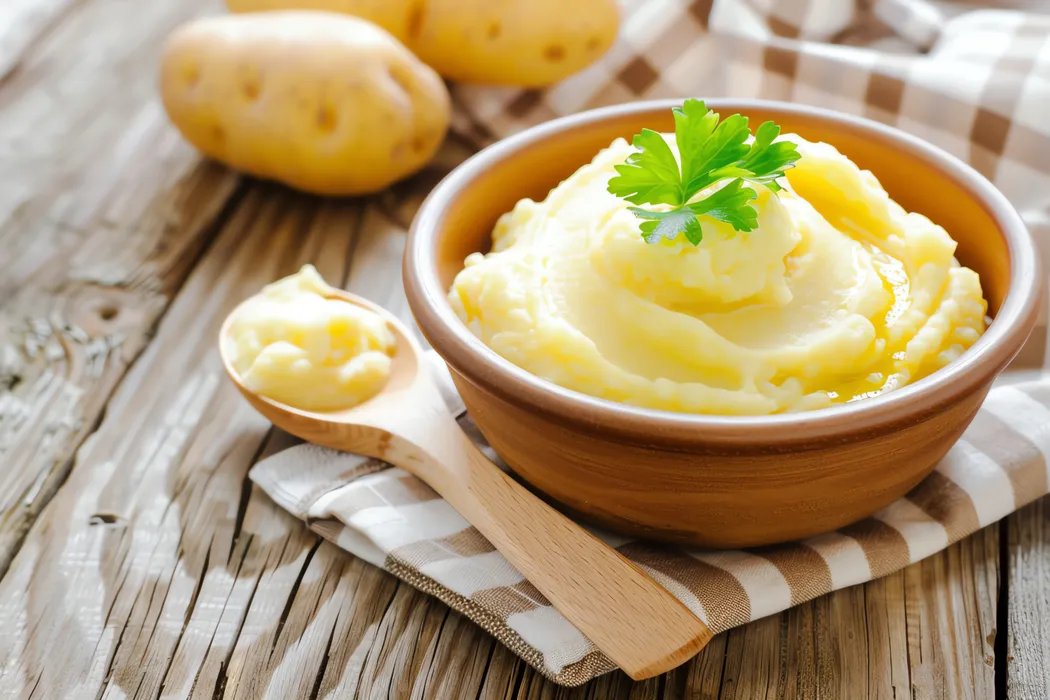
2. Drain the water and transfer the hot potato cubes to a bowl.

3. Use a fork or hand masher to create a warm boiled mashed potato baby food texture.

4. Stir in the breast milk and a tiny touch of butter to ensure a mashed potato baby food soft texture.

5. Ensure there are no large, hard lumps before serving this mashed boiled potato baby food to your baby.

Essential Safety Tips for Feeding Potatoes to Babies

While potatoes are a fantastic and safe food, keep these important guidelines in mind:

1. Avoid Salt and Seasonings: Do not add salt, sugar, cow's milk, or strong spices to your baby's food. A baby's kidneys are too immature to process added salt.

2. Watch for Green Spots: Never use potatoes that have green patches on the skin or flesh. These green areas contain solanine, a natural compound that can be toxic to humans, especially infants.

3. Introduce One Food at a Time: When introducing a new potato baby food mixture, wait 3 to 5 days before introducing another new ingredient. This helps you easily identify the culprit if an allergic reaction or digestive upset occurs.

4. Temperature Check: Always stir the pureed or mashed potatoes thoroughly and test the temperature on the inside of your wrist before feeding it to your baby.

FAQS

Is potato a common allergen for babies?

No, potatoes are not considered a common allergen. They are generally very well tolerated and are often used as an early food because of their low risk of triggering allergic reactions. However, always watch for signs of a reaction, such as hives, swelling, vomiting, or diarrhoea.

Can I use sweet potatoes instead of regular white potatoes?

Yes, sweet potatoes are an excellent first food. They are rich in beta-carotene (vitamin A) and naturally sweet. You can prepare them using the same steaming and blending methods as white potatoes.

How do I reheat frozen potato puree safely?

Thaw the frozen puree cube in the refrigerator overnight. Reheat it in a heat-safe bowl over a warm water bath or in the microwave. If using a microwave, stir the puree thoroughly to eliminate any dangerous "hot spots" and let it cool to room temperature before serving.

Can I add cheese or butter to my baby's mashed potatoes?

You can add a tiny splash of olive oil or unsalted butter for healthy fats starting around 6 to 7 months. However, avoid adding cheese or cow's milk until your baby is closer to 12 months, unless cleared by your paediatrician. Breast milk or formula are the best liquids for thinning purees.

Why did my potato puree turn sticky and gummy?

If you overprocess potatoes in a high-speed blender, the starch cells break down too much, releasing a sticky, glue-like substance. To keep your potato puree light and soft, steam the potatoes well and blend them gently, or mash them by hand with a fork before adding warm liquid.

Apollo 247 Floating Action Button