logo
0

Preemie Formula: Guide for Premature & Low Birth Infants

Learn how preemie formula differs from standard infant formula, when it may be needed, how it supports premature and low birth weight babies, and how feeding plans are adjusted safely.

article image

Dr. Nallapu Siri

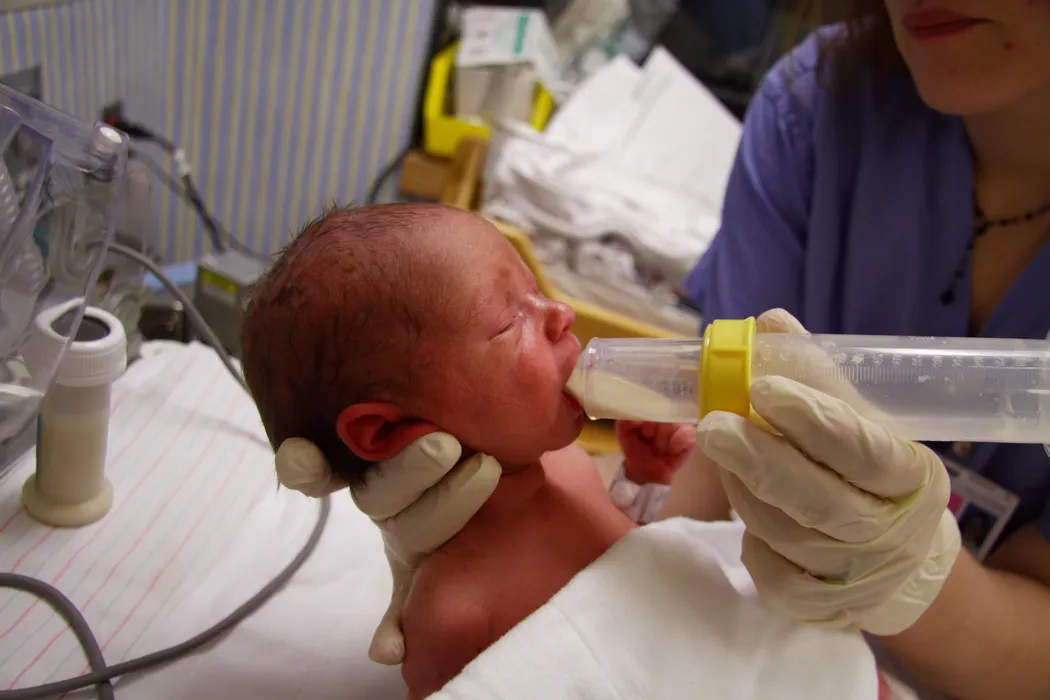
Bringing a premature or low birth weight baby home can bring many questions about feeding and growth. Preemie formula refers to specialised infant formulas designed to provide higher concentrations of certain nutrients than standard term infant formulas. However, not every premature or low birth weight baby needs a specialised formula.

The choice between breast milk, fortified breast milk, preterm formula or a standard infant formula depends on your baby's gestational age, birth weight, growth, feeding ability and medical condition. Your neonatologist or paediatrician can help determine which feeding plan is appropriate.

What Is Preemie Formula and How Is It Different?

Preemie formula is specially formulated for the nutritional needs of some babies born prematurely or with low birth weight. Compared with standard term infant formula, some preterm formulas provide more energy, protein and certain minerals in a given volume.

Premature babies may have higher nutritional requirements because they have had less time to accumulate nutrient stores before birth and may need additional nutrition to support growth after birth.

Depending on the product, specialised preterm formulas may provide:

  • Higher energy density
  • Additional protein
  • Calcium and phosphorus to support bone mineralisation
  • Iron and other essential minerals
  • Vitamins and other micronutrients
  • Long-chain polyunsaturated fatty acids such as DHA and ARA

The exact nutritional composition varies between products, so preterm formula should be selected according to the baby's individual needs rather than simply because a baby was born early.

What Nutritional Needs Do Premature and Low Birth Weight Babies Have?

Premature and low birth weight babies can have different nutritional requirements from term babies. Their needs depend on gestational age, birth weight, illness, feeding tolerance and their rate of growth.

Energy and Protein

Adequate energy and protein are important for growth and tissue development. Some premature babies need more energy and protein per kilogram of body weight than term infants, particularly during the early period of catch-up growth.

Calcium and Phosphorus

Much of the fetus's mineral accumulation occurs during the later stages of pregnancy. Babies born very prematurely may therefore have lower mineral stores and may be at increased risk of metabolic bone disease.

Preterm feeding plans may provide additional calcium and phosphorus when clinically appropriate.

Iron

Premature babies may have lower iron stores than term babies. Iron requirements and supplementation depend on gestational age, birth weight, feeding pattern and other clinical factors. Your baby's neonatologist will determine whether additional iron is needed and when it should be started.

DHA and ARA

DHA and ARA are long-chain fatty acids involved in normal brain and visual development. They are included in many infant formulas, including specialised formulas for premature babies.

What Types of Specialised Preterm Feeding Products Are Available?

Preterm nutrition can involve different products depending on whether your baby is in hospital or has already gone home.

Preterm Formula for Hospital Use

Some formulas are specifically designed for premature babies during hospital care. They may have a higher energy and nutrient density than standard term formula and are used according to the neonatal team's feeding plan.

Post-Discharge Formula

Some premature or low birth weight babies may continue to need additional nutritional support after leaving hospital. A post-discharge formula may provide more energy or selected nutrients than a standard term formula.

There is no universal time at which a baby should stop using a post-discharge formula. The decision is based on growth, corrected age, feeding tolerance and the baby's overall health.

Human Milk Fortifiers

When a premature baby receives expressed breast milk, a human milk fortifier may sometimes be added to increase its energy, protein, vitamins and minerals.

Fortification can allow a baby to continue receiving human milk while providing additional nutrients when breast milk alone does not meet the baby's requirements. The amount and type of fortifier should be determined by the neonatal or paediatric team.

When Is Preemie Formula Used Instead of Breast Milk or Fortified Breast Milk?

Human milk is an important source of nutrition for premature babies and is generally preferred when available. It provides nutrients and protective components that are particularly valuable during infancy.

For some very premature or very low birth weight babies, breast milk may need to be fortified because the baby requires more energy, protein or minerals than unfortified milk provides.

A specialised formula may be considered when:

  • The mother is unable to provide enough breast milk
  • Fortified breast milk does not meet the baby's nutritional requirements
  • Breast milk is temporarily unavailable
  • There is a specific medical reason for using formula
  • The neonatal team determines that a specialised formula is appropriate

The decision should be individualised. A premature baby should not be switched between breast milk, fortified breast milk and specialised formula without guidance from the baby's healthcare team.

When Is Preemie Formula Not Appropriate?

Specialised preterm formula is not suitable for every baby. Certain conditions require a different feeding plan or a specialised product.

  • Galactosaemia: Babies with galactosaemia need a specialised diet that avoids lactose and galactose. Standard milk-based formulas are not appropriate.
  • Cow's milk protein allergy: A baby with confirmed cow's milk protein allergy may need an extensively hydrolysed or amino acid-based formula rather than a standard cow's milk-based preterm formula.
  • Certain metabolic disorders: Some metabolic conditions require specific changes to protein, carbohydrate, fat or mineral intake.
  • Certain gastrointestinal conditions: Babies with serious gastrointestinal illness may require temporary changes to their feeding plan under specialist care.
  • Prematurity with complex medical needs: A standard preterm or post-discharge formula may not be appropriate if the baby has significant kidney, liver, heart or gastrointestinal problems.

A higher-calorie formula should never be selected simply to encourage faster weight gain. The energy density, protein concentration, mineral content and fluid volume need to match the baby's clinical needs.

How Do You Choose and Transition Formula Safely?

The transition from a hospital feeding plan to home feeding is individual. Some babies may need a specialised formula after discharge, while others may transition to a standard infant formula when their nutritional requirements change.

Your baby's healthcare team will consider factors such as:

  • Gestational age at birth
  • Birth weight
  • Current weight and growth pattern
  • Feeding tolerance
  • Medical conditions
  • Amount of breast milk available
  • Whether breast milk is fortified
  • Overall nutritional intake

Growth is monitored regularly after discharge. Weight is only one part of the assessment, and the healthcare team may also consider length, head circumference, feeding progress and overall development.

Signs that need medical assessment include persistent vomiting, blood in the stool, marked abdominal distension, feeding difficulties or poor growth.

Do not increase the concentration of formula by adding extra powder. Over-concentrating a feed can alter its nutrient and solute concentration and may be harmful, particularly in medically vulnerable infants. Prepare formula exactly according to the product instructions or the feeding plan provided by your healthcare team.

Safety Information and Adverse Event Reporting

Specialised infant formulas should be used according to the product instructions and the feeding plan provided by your baby's healthcare team.

Do not:

  • Add extra powder to increase calories
  • Add extra water to dilute a feed
  • Change the preparation method without professional advice
  • Mix different formulas in the same feed unless specifically instructed
  • Continue using a formula that has been recalled or is past its expiry date

If your baby develops persistent vomiting, significant diarrhoea, blood in the stool, marked abdominal swelling, poor feeding or another unexpected reaction after starting a formula, contact your healthcare professional promptly.

Breathing difficulty, swelling of the face or throat, blue or grey lips or skin, severe lethargy or other signs of a serious allergic reaction require urgent medical attention.

Suspected adverse reactions should be discussed with your healthcare professional and reported through the appropriate food-safety or regulatory reporting system where applicable.

How Long Should a Baby Stay on Preemie Formula?

There is no single age or weight at which every premature baby should stop specialised formula.

Some babies may need additional nutritional support for several months after discharge, while others may transition earlier. The decision is based on growth, corrected age, nutritional intake, feeding tolerance and medical history.

Corrected age can be useful when assessing the development and growth of babies born prematurely. Your paediatrician will determine when a change in feeding plan is appropriate.

Can Premature Babies Have Standard Infant Formula?

Some premature babies can eventually receive standard term infant formula, but the timing varies.

A baby who is growing well and no longer needs the additional nutritional support provided by a specialised product may be transitioned to a standard formula. Other babies may need continued fortification or specialised formula for longer.

The decision should be made by the baby's healthcare team rather than based on chronological age alone.

How Many Calories Does Preemie Formula Provide?

The calorie density of preterm and post-discharge formulas varies between products. Some specialised formulas provide more energy per volume than standard term infant formulas, while the exact concentration depends on the product and how it is prepared.

Because calorie concentration can differ substantially between products, do not assume that all preemie formulas provide the same amount of energy. Use the preparation instructions on the specific product and follow the feeding plan prescribed for your baby.

When Should You Seek Medical Advice?

Contact your baby's healthcare team if you are concerned about:

  • Poor or inadequate weight gain
  • Persistent vomiting or diarrhoea
  • Blood in the stool
  • Significant abdominal swelling
  • Difficulty feeding or taking the prescribed volume
  • Repeated coughing, choking or breathing difficulty during feeds
  • Signs of dehydration, such as markedly fewer wet nappies
  • A possible allergic reaction
  • Any difficulty following the prescribed feeding plan

Premature and low birth weight babies can have complex nutritional needs. Prompt assessment is important if feeding or growth changes unexpectedly.

Conclusion

Preemie formula is a specialised nutritional option for some premature and low birth weight babies. It may provide additional energy, protein and selected nutrients when a baby's nutritional requirements cannot be met by standard feeding alone. However, specialised formula is not automatically necessary for every baby born early or with a low birth weight.

Breast milk, fortified breast milk, preterm formula and post-discharge formula can all have a role depending on the baby's individual needs. Your neonatologist or paediatrician should guide the choice, preparation and timing of any change in feeding plan.

FAQS

What formula is best for premature babies?

There is no single formula that is best for every premature baby. The appropriate choice depends on gestational age, birth weight, growth, feeding tolerance and medical condition. Your neonatal or paediatric team can recommend the most suitable feeding option.

How long should a premature baby stay on preemie formula?

The duration varies between babies. Some may need specialised formula after discharge, while others may transition to standard formula sooner. The decision depends on growth, corrected age, nutritional intake and overall health rather than a fixed age.

Can premature babies drink normal infant formula?

Some premature babies can receive standard infant formula when their healthcare team determines that they no longer need specialised nutritional support. Others may need preterm or post-discharge formula for longer. Do not make the change without discussing it with your baby's healthcare team.

How many calories does preemie formula have?

Calorie density varies between preterm, post-discharge and standard infant formulas. The exact amount depends on the product and how it is prepared. Always use the preparation instructions for the specific formula rather than assuming that all preemie formulas have the same calorie content.
Do all low birth weight babies need specialised formula?

No. Low birth weight babies do not automatically need specialised formula. Some may grow appropriately with breast milk, fortified breast milk or another feeding plan selected by their healthcare team. The decision depends on the baby's gestational age, growth, feeding tolerance and nutritional requirements.

Apollo 247 Floating Action Button