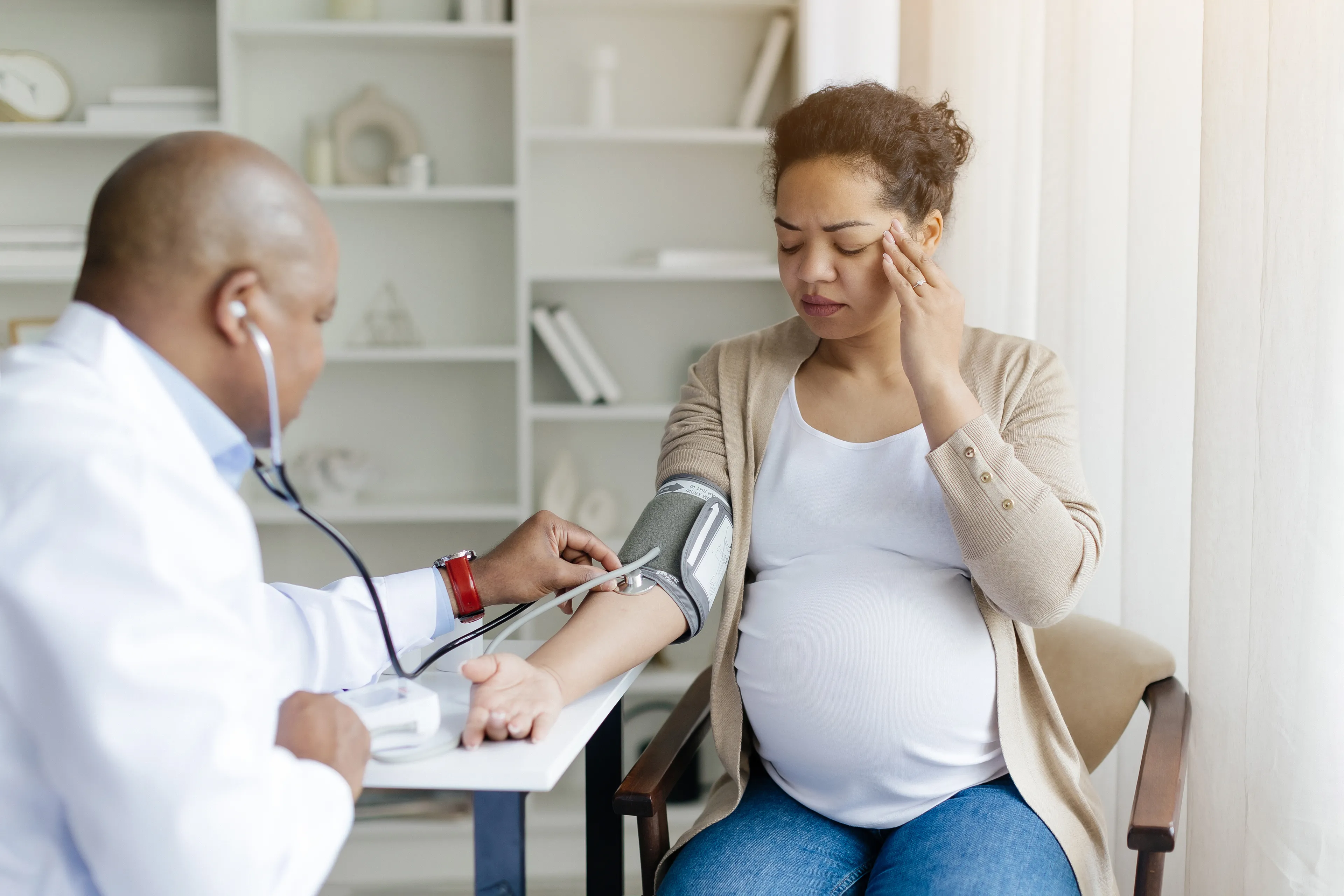
How to Maintain Healthy Blood Pressure During Pregnancy
Managing blood pressure during pregnancy involves regular medical monitoring and appropriate treatment. Dietary choices and suitable physical activity may support your overall health, but they cannot replace medical treatment when it is needed.
Diet
A balanced diet can support your cardiovascular health and help you meet your nutritional requirements during pregnancy.
Consider the following dietary measures:
- Limit excess sodium: Avoid adding unnecessary salt to meals and limit foods such as pickles, papad and heavily processed snacks.
- Include potassium-rich foods: Bananas, sweet potatoes and other fruits and vegetables can contribute to a balanced diet. If you have kidney disease or have been advised to restrict potassium, follow your doctor's recommendations.
- Choose nutrient-rich foods: Include leafy vegetables, lentils, fruits, whole grains and dairy products as part of a varied diet.
- Stay hydrated: Drink enough water throughout the day, unless your doctor has advised you to restrict fluids.
- Limit caffeine: Keep your total caffeine intake within the recommended limit during pregnancy. Remember that tea, coffee, chocolate and some other beverages also contain caffeine.
Avoid restrictive diets or making major dietary changes without discussing them with your healthcare provider.
Physical Activity
Suitable physical activity can support general health during pregnancy. If your pregnancy is uncomplicated and your doctor has not advised otherwise, gentle activities such as walking, swimming or prenatal yoga may be appropriate.
However, if you have been diagnosed with PIH, ask your obstetrician which activities are safe for you. Avoid strenuous exercise if you have been advised to rest or have symptoms that require medical assessment. Stop exercising and seek advice if you experience dizziness, chest pain, breathlessness or other unusual symptoms.
Regular Monitoring
Regular blood pressure monitoring helps your healthcare team identify changes and assess whether your treatment is working.
If your doctor recommends monitoring at home, use a validated blood pressure monitor suitable for pregnancy and follow the instructions for taking accurate readings. Record your readings, including the date and time, and bring the record to your antenatal appointments.
Your doctor may also recommend urine tests, blood tests and ultrasound scans to assess your health and your baby's growth. Attend all scheduled appointments, even if you feel well, because PIH can develop or worsen without obvious symptoms.
Prescribed Medication
If your blood pressure remains elevated or your doctor identifies an increased risk of complications, medication may be necessary. Medicines such as labetalol, nifedipine or methyldopa may be considered, depending on your clinical circumstances and local treatment guidelines.
Your doctor will select a medicine based on your blood pressure, medical history, gestational age and other relevant factors. Take it exactly as prescribed and attend follow-up appointments to assess your response to treatment.
If you develop severe hypertension or signs of pre-eclampsia, you may need urgent treatment or hospital care. After delivery, continue monitoring your blood pressure as advised because hypertension can persist or develop in the postpartum period.