logo
0

Pregnancy Signs and Symptoms at 6 Weeks

Know the early pregnancy signs and symptoms at 6 weeks gestation, when to see a doctor, and how to manage symptoms safely. Doctor-reviewed guide.

article image

Dr.Yusuf

Knowing what your body is doing in early pregnancy can turn anxiety into understanding. Pregnancy signs and symptoms at 6 weeks often reach a new intensity because the hormones that started rising after implantation are now surging rapidly. If you have just confirmed a positive test or are trying to make sense of unfamiliar feelings, this guide walks you through what is typical, what is not, and when to call your doctor.

What Happens at 6 Weeks of Pregnancy?

By week 6, your baby is roughly the size of a lentil, about 4 to 6 mm from head to rump. The neural tube, which will become the brain and spinal cord, is closing. A tiny heartbeat is often visible on an early ultrasound around this point, though timing varies from person to person.

Two hormones drive almost every symptom you will feel right now:

  • hCG (human chorionic gonadotropin) doubles roughly every 48 hours in a healthy early pregnancy. It is the hormone pregnancy tests detect, and its rapid rise is directly linked to nausea and fatigue.
  • Progesterone relaxes smooth muscle tissue throughout the body, slowing digestion, softening ligaments, and contributing to bloating and pelvic heaviness.

Because both hormones are climbing steeply, pregnancy signs and symptoms at 6 weeks feel more noticeable than they did in weeks 4 or 5.

Common Physical Signs and Symptoms

These are the 6 weeks pregnant symptoms most women notice, though no two pregnancies are identical. Some women experience all of them; others have only one or two.

Nausea and Morning Sickness

Morning sickness at 6 weeks is one of the most reported early pregnancy symptoms. Despite its name, it can occur at any time of day. You might feel a constant low-grade queasiness, or it may arrive in waves triggered by smells, certain foods, or an empty stomach. For most women, it peaks between weeks 8 and 10 and eases by the second trimester.

Fatigue

Progesterone has a sedating effect, and your body is working hard to build a placenta. Feeling exhausted by mid-afternoon, or needing more sleep than usual, is completely normal at this stage.

Breast Tenderness

Breasts often feel heavy, sore, or tingly. The areolae may darken slightly. Rising oestrogen and progesterone are preparing breast tissue for eventual feeding, and that process is uncomfortable for many women.

6 Weeks Pregnant Belly and Cramps

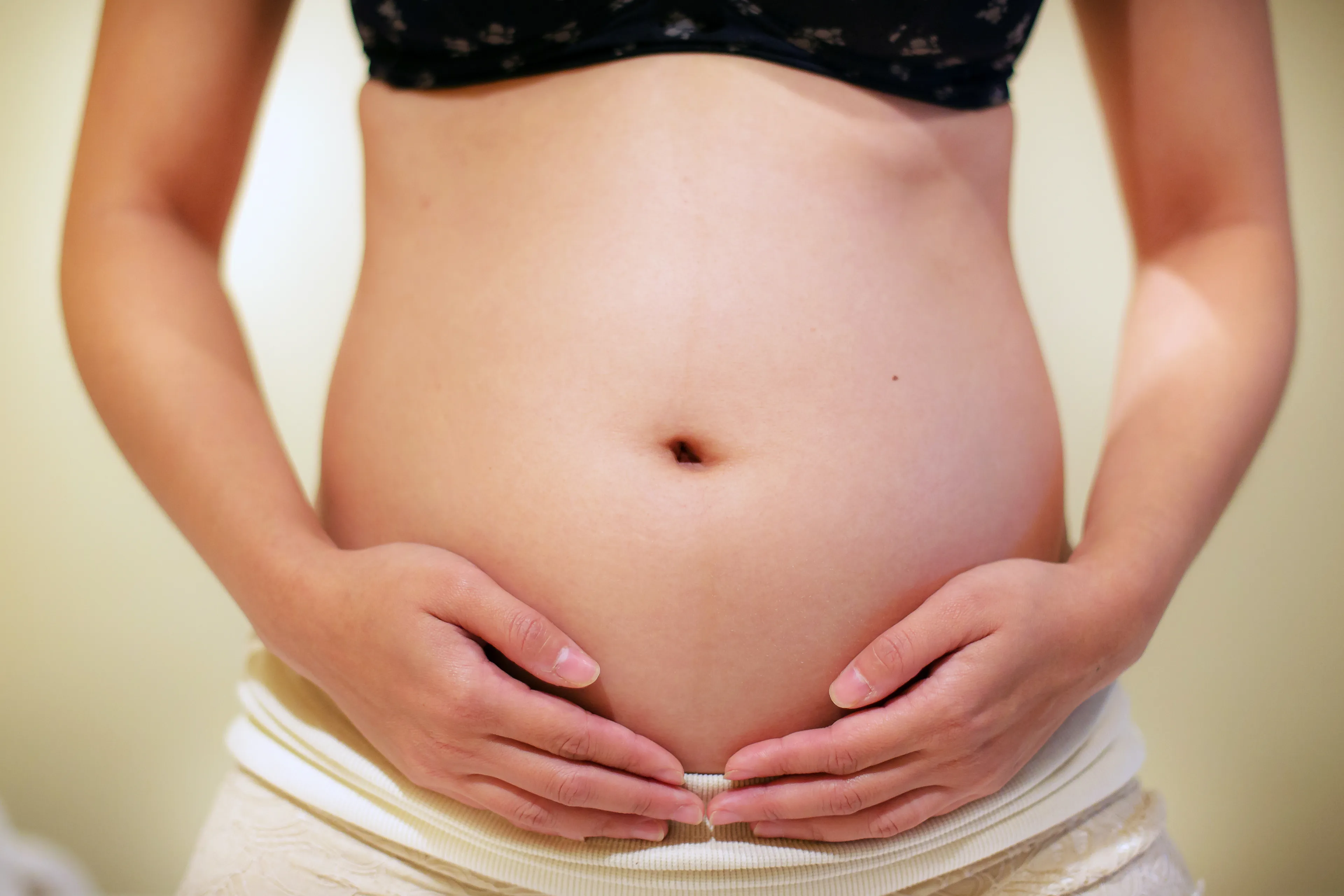
Mild, period-like cramps are common as the uterus begins to grow and blood flow to the pelvis increases. A 6 weeks pregnant belly and cramps sensation often surprises women who mistake it for an approaching period. If cramping is mild and does not worsen, it is generally expected. Any cramping that is sharp, one-sided, or worsening needs prompt medical review.

Spotting

Light pink or brown spotting can occur around 6 weeks due to increased cervical sensitivity. It is worth mentioning to your doctor at your next visit, even if it resolves quickly.

Emotional and Other Lesser-Known Symptoms

Signs of pregnancy at 6 weeks go beyond the physical. Hormonal fluctuations affect brain chemistry too, and many women are caught off guard by how emotionally variable they feel.

  • Mood swings, including sudden tearfulness or irritability, are driven by oestrogen shifts and are a recognised part of early pregnancy.
  • Food aversions can be intense. Foods you previously enjoyed may become repulsive, while unusual cravings may appear without warning.
  • Bloating and fullness in the lower abdomen happen because progesterone slows the gut. Many women notice their waistband feels tighter even though the uterus is still tucked behind the pubic bone.
  • Frequent urination begins as blood volume increases and the kidneys filter more fluid. This is hormonal at 6 weeks rather than pressure from the uterus, which is still very small.
  • Heightened sense of smell, mild headaches, and light dizziness are also commonly reported early pregnancy symptoms.

Emotional changes are real symptoms. Talking to your partner, a trusted friend, or your obstetrician is a good idea if they feel overwhelming.

When Symptoms Signal a Concern

Most early symptoms are reassuring signs that the pregnancy is progressing. Knowing what to expect at 6 weeks pregnant also means recognising the warning signs that need prompt attention. Contact your doctor or go to the nearest emergency facility if you experience:

  • Heavy bleeding, similar to or heavier than a normal period
  • Severe, one-sided lower abdominal pain, which can indicate an ectopic pregnancy
  • Passing tissue or clots from the vagina
  • Fainting or near-fainting
  • High fever alongside pelvic pain
  • Vomiting so severe you cannot keep fluids down for 24 hours (a condition called hyperemesis gravidarum)

An ectopic pregnancy in particular is a medical emergency. A ruptured fallopian tube can cause life-threatening internal bleeding and requires immediate surgery.

Report adverse events or unexpected health changes to your healthcare provider or the relevant regulatory authority promptly.

Managing Symptoms Safely

Lifestyle adjustments can make a meaningful difference, especially for nausea and fatigue, without any medication.

For nausea and morning sickness at 6 weeks:

  • Eat small, frequent meals every 2 to 3 hours to keep blood sugar stable.
  • Keep plain crackers or dry toast by your bed and eat a few before sitting up in the morning.
  • Ginger tea or ginger biscuits are widely used and generally considered safe. Speak to your doctor before using concentrated ginger capsules.
  • Stay hydrated with small sips of water, coconut water, or clear soups throughout the day.
  • Avoid strong smells where possible, including heavily spiced foods and chemical-based cleaning products.
For fatigue:

  • Sleep when you can, including a short afternoon rest if your schedule allows.
  • Gentle walking for 15 to 20 minutes improves circulation without overexertion.

For bloating and cramps:

  • Avoid carbonated drinks and heavy, fried foods.
  • A warm (not hot) compress on the lower abdomen can ease mild cramping.

Understanding what to expect at 6 weeks pregnant helps you respond to symptoms with care rather than panic.

Contraindications and Safety Precautions

This section is important. Several medications and remedies that seem harmless are contraindicated in early pregnancy without medical supervision.

Avoid without a doctor's approval:

Non-steroidal anti-inflammatory drugs (NSAIDs) such as ibuprofen and aspirin in regular doses have been associated with risks in the first trimester. If you have pain, consult your doctor before taking anything.
Many common antacids contain ingredients that have not been evaluated for safety in early pregnancy. Do not self-medicate for heartburn or acidity.
Herbal supplements, including those marketed as "natural," are not automatically safe. Several herbs, such as fenugreek in large amounts, castor oil, and certain traditional remedies, can stimulate uterine contractions and should be avoided unless a doctor specifically approves them.
Vitamin A supplements in high doses (retinol form) are linked to foetal abnormalities. Stick to the prenatal vitamin prescribed by your doctor.
Antihistamines, decongestants, and cough syrups should not be taken without a prescription during the first trimester.
Always tell any doctor, dentist, or pharmacist that you are pregnant before accepting any prescription or over-the-counter treatment. Pregnancy signs and symptoms at 6 weeks may feel urgent to manage, but self-medicating carries real risk to your baby.

Medical Disclaimer: This article is for general informational purposes only and does not constitute medical advice. Always consult a qualified healthcare professional for diagnosis and treatment. Do not self-medicate during pregnancy.

*Planning ahead? Our newborn care guide for after delivery can help you prepare for your baby's first days.*

Conclusion

At 6 weeks pregnant, symptoms can become more noticeable as pregnancy hormones rise, but every pregnancy is different. Nausea, fatigue, breast tenderness, mild cramping, bloating and frequent urination are common, while having few or no symptoms can also be completely normal. Paying attention to your symptoms and following safe pregnancy practices can help you navigate this early stage with confidence. However, heavy bleeding, severe or one-sided abdominal pain, fainting, high fever or persistent vomiting requires prompt medical attention. Regular antenatal care and guidance from your obstetrician can help monitor your health and your baby's development throughout pregnancy.

FAQs

Is cramping normal at 6 weeks pregnant?

Mild, period-like cramping is common as the uterus stretches and blood flow to the pelvis increases. However, cramping that is severe, one-sided, or accompanied by heavy bleeding should be evaluated by a doctor right away.

Can you have no symptoms at 6 weeks pregnant?

Yes, some women have very few or no noticeable symptoms at 6 weeks and still have a healthy pregnancy. Symptom intensity varies widely between individuals and even between different pregnancies in the same person.

How big is the baby at 6 weeks?

At 6 weeks, the embryo is approximately 4 to 6 mm long, roughly the size of a lentil. The heart has begun beating, though it may not always be visible on ultrasound at exactly this stage.

Is spotting normal at 6 weeks pregnant?

Light spotting, pink or brown in colour, can occur due to increased cervical sensitivity and is not always a sign of miscarriage. Any spotting should be reported to your doctor, and heavy or bright red bleeding warrants immediate medical attention.

When do pregnancy symptoms usually start?

Most women begin noticing early pregnancy symptoms between 4 and 6 weeks after their last menstrual period, coinciding with rising hCG levels. Fatigue and breast tenderness often appear first, with nausea becoming more prominent around week 6.

Apollo 247 Floating Action Button