logo
0

Pregnancy Test Kit Positive Result: A Complete Guide

Understand what a positive pregnancy test result means, how to use a home pregnancy test correctly, interpret the results and know when to consult your doctor.
 

article image

Dr. J.T.Hema Prathima

Getting a positive pregnancy test result can bring a range of emotions, from excitement and happiness to uncertainty and anxiety. Whether you have been trying to conceive or the result is unexpected, understanding what it means and what to do next can help you make informed decisions about your health.

Home pregnancy tests detect a hormone called human chorionic gonadotropin (hCG), which is produced during pregnancy. This guide explains how to use a pregnancy test kit correctly, interpret the results, understand the possibility of inaccurate readings and decide when to seek medical care.

What Does a Positive Pregnancy Test Kit Result Mean?

A home pregnancy test detects human chorionic gonadotropin (hCG), a hormone produced by cells that develop into the placenta after a fertilised egg implants in the uterus. As pregnancy progresses, hCG levels generally rise rapidly during the early weeks.

Most home pregnancy test kits detect hCG in urine once it reaches a particular concentration, usually around the time of your expected period. A positive result generally indicates pregnancy, provided the test has been used correctly and the result has been read within the recommended timeframe.

However, a positive home pregnancy test cannot confirm whether the pregnancy is developing normally or is located inside the uterus. Your doctor can assess whether further testing or an ultrasound is needed.

When to Take a Home Pregnancy Test After a Missed Period

The timing of a pregnancy test can significantly affect its accuracy. Testing too early may result in a false-negative result because hCG levels may not yet be high enough for the kit to detect.

For a more reliable result, keep the following points in mind.

  • Test from the first day of your missed period: Most home pregnancy tests are reliable when used correctly from this time.
  • Consider irregular menstrual cycles: If you are unsure when your period is due, take a test at least 21 days after unprotected sex.
  • Use first-morning urine when possible: It is generally more concentrated and can improve the detection of low hCG levels, particularly during early pregnancy.
  • Repeat an early negative test: If your result is negative but your period has not started, repeat the test after two to three days.

If you continue to miss periods despite negative pregnancy tests, consult your doctor to investigate possible causes.

How to Use a Home Pregnancy Test Kit Correctly

Most home pregnancy test kits available at pharmacies come as strips, cassettes or midstream devices. Although the basic principle is the same, the instructions may vary between brands. Always read the leaflet supplied with your kit before testing.

Follow these general steps for accurate use.

  1. Wash and dry your hands before handling the kit.
  2. For a strip or cassette test, collect urine in a clean, dry container. For a midstream test, hold the absorbent tip in the urine stream for the duration specified in the instructions.
  3. If using a strip, immerse it in the urine sample up to the marked limit, following the recommended time.
  4. Place the strip or device on a clean, dry, level surface, if instructed.
  5. Wait for the time specified by the manufacturer, usually a few minutes.
  6. Read the result within the recommended timeframe. Do not interpret changes that appear after the reading window has closed.

Check the expiry date before using the kit. Store unused tests according to the manufacturer's instructions, away from excessive heat, direct sunlight and moisture.

How to Read Pregnancy Test Results (Lines, Symbols, Digital)

Pregnancy test results vary depending on the type of kit. Understanding the control indicator and the result display can help you avoid misinterpreting the reading.

Strip and Cassette Tests

Most line-based pregnancy tests have a control line and a test line. The control line indicates whether the test has worked correctly, while the test line indicates whether hCG has been detected.

The results are generally interpreted as follows.

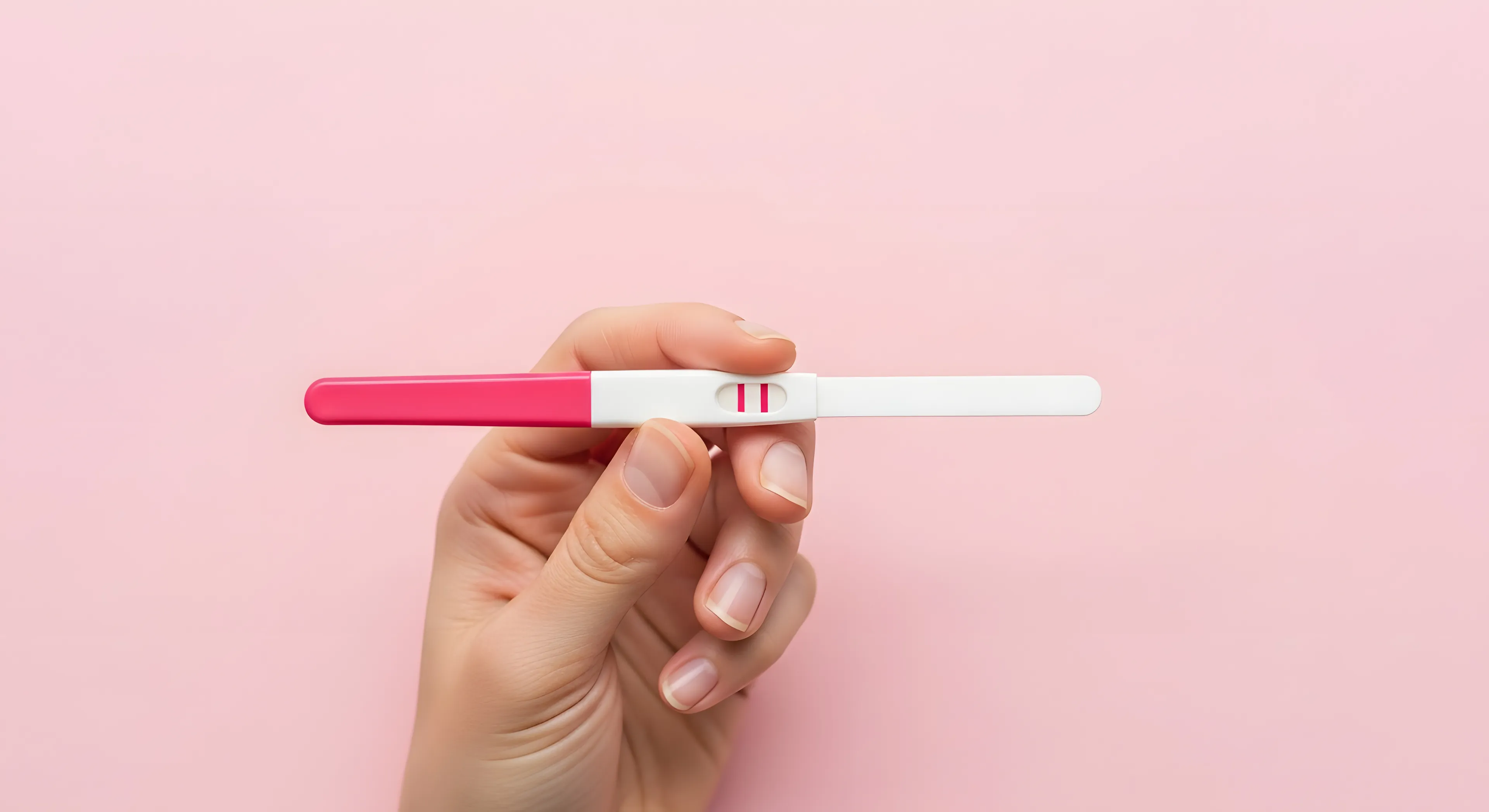
  • Two lines: A control line and a coloured test line usually indicate a positive result, even if the test line is faint, provided it appears within the recommended reading time.
  • One line: A control line without a test line generally indicates a negative result.
  • No control line: The test is invalid, regardless of whether another line appears. Repeat the test using a new kit.

A faint second line may appear during early pregnancy when hCG levels are still low. However, a line that appears only after the recommended reading window should not be considered a reliable positive result.

If you are uncertain about the result, repeat the test after two to three days or consult your doctor.

Digital Tests

Digital pregnancy tests display a written result, such as pregnant or not pregnant, rather than coloured lines. This can make the result easier to interpret, particularly if you are using a pregnancy test for the first time.

Digital tests also detect hCG in urine. However, they are not necessarily more sensitive than conventional strip or cassette tests. Follow the manufacturer's instructions for the correct testing procedure and reading time.

Invalid Results

An invalid result means that the test has not worked correctly and cannot be interpreted. For most line-based kits, this occurs when the control line does not appear.

Possible reasons include an insufficient urine sample, incorrect handling or a defective or expired kit. If you receive an invalid result, repeat the test using a new kit and follow the instructions carefully.

Can a Pregnancy Test Be Wrong? False Positives and Negatives

Home pregnancy tests are generally reliable when used correctly, but false-positive and false-negative results can occur. Knowing the possible causes can help you decide whether to repeat the test or seek medical advice.

False Positive Pregnancy Test

A false positive occurs when a test indicates pregnancy despite there being no ongoing pregnancy. Although uncommon, it can happen for several reasons.

  • Fertility medications: Certain fertility injections containing hCG can cause a positive result even when pregnancy has not occurred.
  • Early pregnancy loss: A chemical pregnancy is a very early pregnancy loss that occurs after implantation. Because hCG is produced, a pregnancy test may initially be positive.
  • Certain medical conditions: Uncommon conditions, such as gestational trophoblastic disease and some ovarian tumours, can cause elevated hCG levels.
  • Residual hCG: hCG may remain detectable for some time after a recent pregnancy, miscarriage or pregnancy termination.
  • Evaporation lines: Marks that appear after the recommended reading window may be mistaken for faint positive lines, but they are not reliable evidence of pregnancy.

An expired or damaged kit can also produce unreliable results. However, an expired test should not automatically be assumed to be the cause of a positive reading.

If you receive an unexpected positive result, consult your doctor for appropriate assessment.

False Negatives

A false negative occurs when a pregnancy test gives a negative result despite an existing pregnancy. This is more common than a false positive, particularly when testing early.

Common causes include:

  • Testing before hCG levels have risen sufficiently for detection.
  • Drinking large amounts of fluid before testing, which can dilute urine.
  • Not following the test instructions correctly.
  • Using an expired test or one that has been stored incorrectly.

If you receive a negative result but your period does not arrive, repeat the test after a few days. If your period remains absent or you have persistent symptoms, consult your doctor.

When You Need a Blood Test to Confirm Pregnancy

A blood pregnancy test measures hCG in the bloodstream. It can detect lower concentrations of the hormone than many urine tests and may identify pregnancy earlier.

Your doctor may recommend a blood test in the following circumstances.

  • Your home pregnancy test result is faint, unclear or inconsistent with your symptoms.
  • You have a history of ectopic pregnancy or recurrent pregnancy loss.
  • You are undergoing fertility treatment and require closer monitoring.
  • You experience pelvic pain or unusual bleeding that may indicate a pregnancy complication.

There are two main types of blood pregnancy tests.

  • Qualitative beta-hCG test: Detects whether hCG is present in the blood and provides a positive or negative result.
  • Quantitative beta-hCG test: Measures the concentration of hCG in the blood. Repeat measurements may help your doctor assess certain early pregnancy concerns.

Although home urine tests are generally reliable when used correctly at the appropriate time, blood tests provide additional information when clinical assessment is necessary. However, hCG measurements alone cannot confirm the location or normal progression of a pregnancy. Your doctor may recommend an ultrasound based on your symptoms and the stage of pregnancy.

Contraindications and Precautions for Home Pregnancy Test Use

Home pregnancy tests are generally safe and suitable for most people. However, they have limitations and should not be used as a substitute for medical assessment when complications are suspected.

A home pregnancy test cannot:

  • Diagnose an ectopic pregnancy, which occurs when a fertilised egg implants outside the uterus.
  • Confirm whether a pregnancy is developing normally.
  • Reliably identify pregnancy complications, including molar pregnancy.
  • Replace a clinical examination, blood tests or ultrasound when these are medically indicated.

Seek prompt medical assessment in the following circumstances.

  • Previous ectopic pregnancy or recurrent pregnancy loss: Discuss your positive result with your doctor early, as you may need additional monitoring.
  • Severe pain or bleeding: Severe or one-sided lower abdominal pain, heavy vaginal bleeding, dizziness or fainting can indicate a serious complication. Seek urgent medical attention.
  • Fertility treatment: If you are using fertility medications containing hCG, follow your specialist's advice about when to test and how to interpret the result.
  • Positive result with an intrauterine device (IUD): Consult your doctor promptly because pregnancy with an IUD in place requires assessment, including consideration of an ectopic pregnancy.
  • Unclear or invalid results: Repeat an invalid test with a new kit. If results remain uncertain, seek medical advice.

If you experience severe abdominal pain, shoulder-tip pain, fainting or heavy bleeding, seek emergency medical care, even if your home pregnancy test is negative.

Conclusion

A positive pregnancy test kit result generally indicates pregnancy, but correct testing and interpretation are essential. Taking the test from the first day of a missed period, following the manufacturer's instructions and reading the result within the recommended timeframe can help reduce errors.

After a positive result, arrange an appointment with your doctor to discuss your next steps and the need for further assessment. If your result is negative but your period remains absent, consider repeating the test. Seek urgent medical attention if you experience severe pain, dizziness, fainting or heavy bleeding, regardless of your test result.

FAQS

How soon can I take a pregnancy test after a missed period?

You can take a home pregnancy test from the first day of your missed period. Most tests are reliable from this time when used correctly. If your menstrual cycles are irregular, take a test at least 21 days after unprotected sex.
What time of day is best for a pregnancy test?

First-morning urine is generally preferable, particularly if you are testing early, because it is more concentrated and may contain higher levels of detectable hCG. However, you can take a pregnancy test at other times of the day, especially after your period is overdue.

Can a pregnancy test be positive and not be pregnant?

Yes. Although uncommon, a positive result can occur following a very early pregnancy loss, after using fertility medications containing hCG or because of certain medical conditions. An evaporation line appearing after the reading window may also be mistaken for a positive result.

How accurate are home pregnancy test kits?

Most home pregnancy tests claim up to 99% accuracy when used correctly from the day of your expected period. However, accuracy depends on the timing of the test, its sensitivity and correct use. Testing too early or using diluted urine can result in a false-negative result.

When should I see a doctor after a positive pregnancy test?

Arrange an appointment with your doctor as soon as practical after a positive result to discuss your medical history and begin antenatal care. Your doctor may recommend blood tests or an ultrasound, depending on your circumstances. Seek urgent medical attention if you experience severe abdominal pain, heavy bleeding, dizziness or fainting.

Apollo 247 Floating Action Button