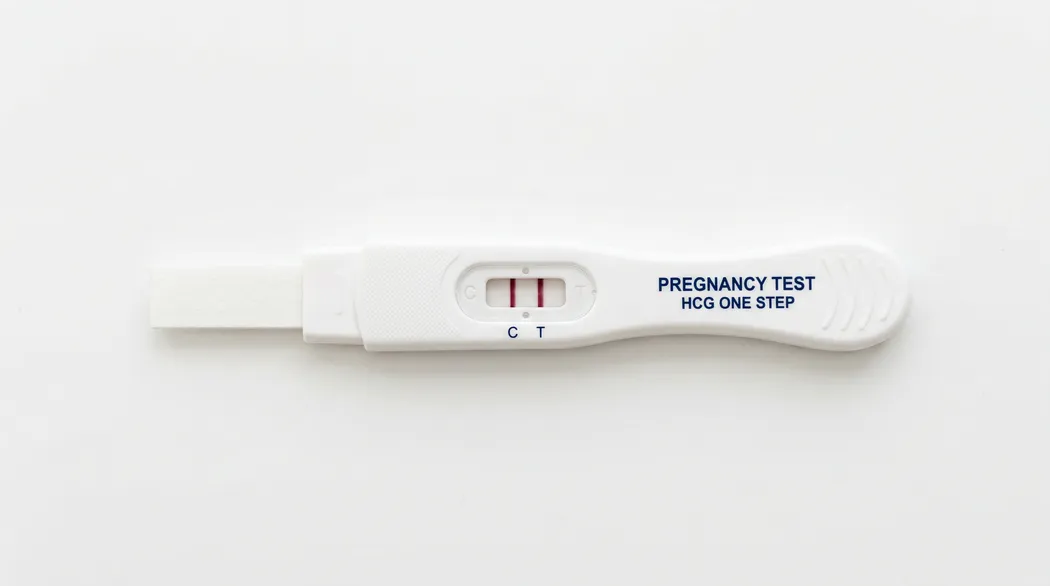
Using a home pregnancy test correctly can provide a convenient and reliable way to check for pregnancy, particularly when testing from the first day of a missed period and following the kit’s instructions carefully. Checking the expiry date, using an appropriate urine sample, observing the correct waiting time, and interpreting the result within the stated reading window can help reduce the risk of an inaccurate result. A faint line that appears within the valid reading window should generally be treated as a positive result rather than dismissed because it is not dark.
A positive result should be followed up with appropriate medical care, while a negative result may need to be repeated if the period remains absent or pregnancy is still suspected. Home testing cannot determine where a pregnancy is located, so symptoms such as severe pelvic pain, unusual bleeding, dizziness, or shoulder-tip pain require prompt medical assessment because they may indicate an ectopic pregnancy. When results are unclear, repeated, or unexpected, consulting a healthcare professional and, when appropriate, confirming with a blood hCG test can provide greater certa.