logo
0

Pregnancy White Discharge Early On: Causes & When to Worry

Is white discharge in early pregnancy normal? Learn causes, warning signs, and safe management tips reviewed by a doctor. Read now.

article image

Dr. J.T.Hema Prathima

Noticing more vaginal discharge than usual can feel alarming, especially early in pregnancy. But for most people, pregnancy white discharge early in the first trimester is completely normal, and understanding why it happens can replace worry with reassurance. This guide explains what healthy discharge looks like, which signs deserve a call to your doctor, and how to stay comfortable safely.

Is White Discharge Normal in Early Pregnancy?

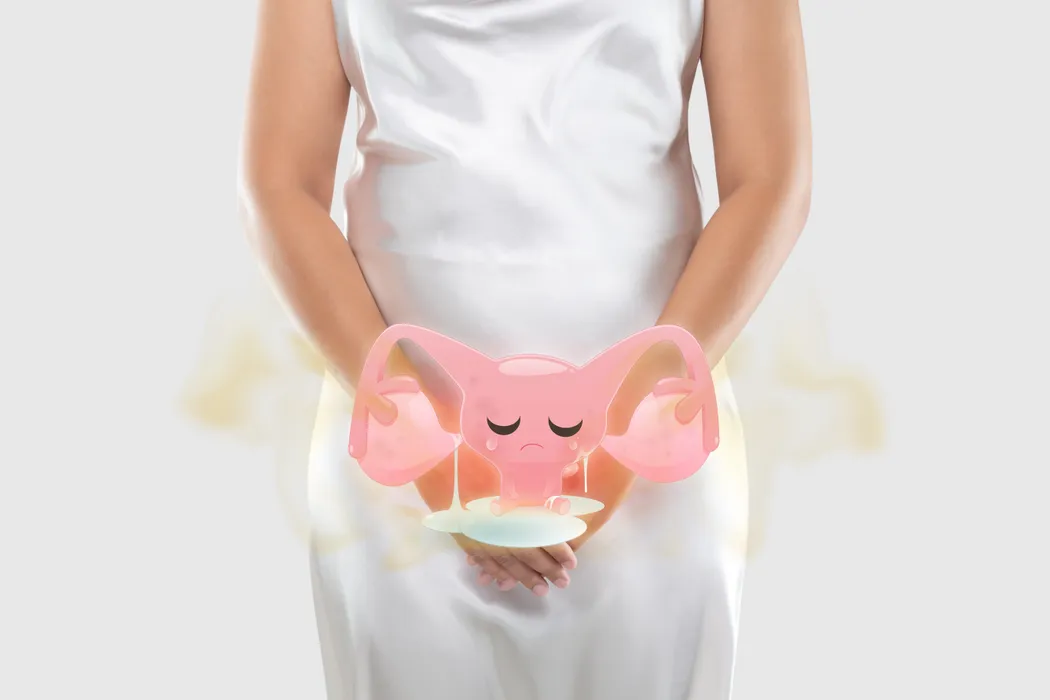
Yes, in most cases it is. After conception, rising levels of oestrogen cause the cervix and vaginal walls to produce more fluid. This increase in normal vaginal discharge is called leukorrhoea pregnancy discharge, a thin, milky-white or clear fluid that helps protect the uterus from infection by flushing bacteria out of the vagina.

Leukorrhoea starts as early as one to two weeks after conception, which means white discharge before a missed period can actually be one of the earliest pregnancy signs some people notice. It generally increases throughout the first trimester and continues through pregnancy.

The short answer: a thin, odourless white discharge in early pregnancy is your body doing its job. It is not a cause for concern on its own.

What Normal Pregnancy Discharge Looks Like?

Healthy vaginal discharge first trimester discharge tends to share a few consistent features:

  • Colour: white, off-white, or clear
  • Texture: thin, slightly creamy, or milky; sometimes watery
  • Smell: mild or no odour at all
  • Amount: can be noticeable but should not soak through clothing

A watery white discharge pregnancy symptom is also common and normal, particularly around ovulation timing and in the weeks after conception.

What does NOT fit this picture:

  • Yellow, green, or grey colour
  • A strong, fishy, or unpleasant smell
  • Thick, cottage-cheese-like texture
  • Any pink, red, or brown streaking
  • Accompanied by itching, burning, or pelvic pain

If your discharge falls into the second group rather than the first, read the next section carefully.

Warning Signs: When Discharge Signals a Problem

Knowing when to worry about discharge in pregnancy can protect you and your baby. Contact your healthcare provider promptly if you notice any of the following:

Colour changes: Yellow or green discharge usually points to infection. Grey discharge with a fishy odour is a classic sign of bacterial vaginosis.

Thick, curd-like texture: A white discharge that looks like cottage cheese and is accompanied by itching or a burning sensation is the hallmark of a yeast infection.

Blood-streaked discharge: A small amount of pink or brown spotting around the time of implantation (six to twelve days after conception) can be normal. Bright red bleeding, heavier spotting, or blood mixed with discharge at any other point in the first trimester needs immediate medical attention.

Pain or pressure: Discharge alongside lower abdominal cramping, pelvic pressure, or back pain should never be dismissed, especially in early pregnancy.

A sudden gush of clear fluid: This could indicate the waters breaking early and requires emergency care.

When in doubt, it is always safer to call your doctor or midwife than to wait.

Common Causes of Abnormal Discharge in Pregnancy

Pregnancy changes the vaginal environment, making some infections more likely. The most common causes of abnormal discharge include:

Yeast infection (vaginal candidiasis): Hormonal shifts reduce the vagina's natural defences against Candida fungus. Symptoms include thick white discharge, intense itching, and redness. Yeast infections are very common in pregnancy but need a confirmed diagnosis before treatment, because some antifungal preparations are not safe in the first trimester.

Bacterial vaginosis (BV): An overgrowth of certain bacteria causes grey or watery discharge with a fishy odour, especially after sex. BV during pregnancy has been associated with a higher risk of preterm labour, so it should be treated promptly under medical supervision.

Sexually transmitted infections (STIs): Chlamydia, gonorrhoea, and trichomonas can all cause abnormal discharge and may have no other obvious symptoms. Screening is routinely offered in antenatal care for good reason.

Can white discharge mean infection during pregnancy? Yes, it can, though the texture and smell usually change alongside the colour. Any discharge that deviates from thin, mild, and whitish deserves a swab test.

Contraindications and Precautions

Before using any treatment for a vaginal infection during pregnancy, it is important to understand which options may carry risks and when medical guidance is needed.

Do not self-medicate during pregnancy: This point cannot be overstated. Over-the-counter antifungal creams and tablets that are safe outside of pregnancy may carry risks in the first trimester. Similarly, some antibiotic regimens used for BV are avoided in early pregnancy.

Treatments to avoid without a confirmed prescription from your treating doctor include:

  • Oral antifungal tablets (azoles) in the first trimester, unless specifically prescribed after risk-benefit discussion
  • Any douching product or vaginal wash, which disrupts the natural microbiome and can worsen infection
  • Herbal or home remedies inserted vaginally, as their safety in pregnancy has not been established

Always tell your doctor you are pregnant before accepting any treatment for vaginal infection. The prescribing decisions made during antenatal care differ from standard guidelines for non-pregnant adults.

Report adverse events to your healthcare provider or the relevant regulatory authority.

How to Manage Discharge Safely at Home?

For normal leukorrhea, no treatment is needed, only comfort measures.

  • Wear breathable cotton underwear; avoid tight synthetic fabrics that trap moisture and heat.
  • Change underwear if it feels damp; unscented panty liners are fine but change them frequently.
  • Wipe front to back after using the toilet.
  • Wash the external genital area with plain warm water; soap on the vulva is acceptable in moderation, but avoid any scented or antibacterial products inside the vagina.
  • Never douche. Douching during pregnancy has no proven benefit and can introduce air or bacteria into the reproductive tract.
  • Stay hydrated and eat a balanced diet; a healthy gut microbiome supports vaginal health too.

These steps keep you comfortable without interfering with the natural protective function of leukorrhea.

Conclusion

White discharge in early pregnancy is usually a normal response to hormonal changes and increased vaginal fluid production. Thin, white or clear discharge without a strong odour, itching, burning, or pain is generally reassuring and does not require treatment. However, changes in colour, smell, texture, amount, or associated symptoms can indicate an infection or another pregnancy-related concern and should be discussed with a healthcare professional.

Avoid self-treating vaginal symptoms during pregnancy, particularly with medicines or products that have not been recommended by your doctor. Seek prompt medical attention for bleeding, severe abdominal or pelvic pain, fever, or a sudden gush of clear fluid. Regular antenatal care and timely evaluation of unusual discharge can help identify infections or other concerns and ensure that appropriate treatment is used safely during pregnancy.

FAQS

Is white discharge a sign of pregnancy before a missed period?

It can be. Rising progesterone and oestrogen after conception often increase vaginal discharge within one to two weeks, before a period is due. However, discharge alone is not a reliable pregnancy test; a urine pregnancy test is the only way to confirm.

How much white discharge is normal in early pregnancy?

The amount varies from person to person and tends to increase as pregnancy progresses. Enough to notice on underwear or require a panty liner is common and normal, provided the colour is white or clear and there is no strong odour or itching.

Can white discharge mean miscarriage?

White or clear discharge on its own is not a sign of miscarriage. Concern arises when discharge is accompanied by bright red or heavy bleeding, severe cramping, or a sudden large gush of fluid. If you experience any of these alongside discharge, seek medical attention immediately.

Does white discharge mean the baby is fine?

Normal leukorrhoea simply reflects healthy hormonal activity in pregnancy; it is not a direct indicator of foetal wellbeing. Routine antenatal appointments, ultrasound scans, and your doctor's assessment are the reliable ways to monitor how your baby is doing.

What is the difference between discharge and the mucus plug?

The mucus plug is a thick, jelly-like collection of mucus that seals the cervix throughout pregnancy to protect the uterus from infection. It is much thicker and more substantial than everyday leukorrhoea, and it typically comes away in the third trimester as the cervix begins to soften before labour. Everyday pregnancy discharge is thinner and continuous; the mucus plug is a distinct, often one-time event.

Apollo 247 Floating Action Button