logo
0

White Discharge During Pregnancy: Trimester Guide

Learn when white discharge occurs during pregnancy, what normal discharge looks like by trimester and when unusual discharge needs medical attention.

article image

Dr.Yusuf

Pregnancy brings many changes to the body, and vaginal discharge is one of them. Knowing when white discharge occurs during pregnancy can help you understand whether a change is part of normal pregnancy or may need medical attention. Vaginal discharge often increases during pregnancy, but changes in colour, smell, consistency or associated symptoms can sometimes indicate an infection or another concern. Understanding how discharge may change throughout pregnancy can help you recognise what is generally normal and when to contact your doctor.

When and Why Does White Discharge Occur During Pregnancy?

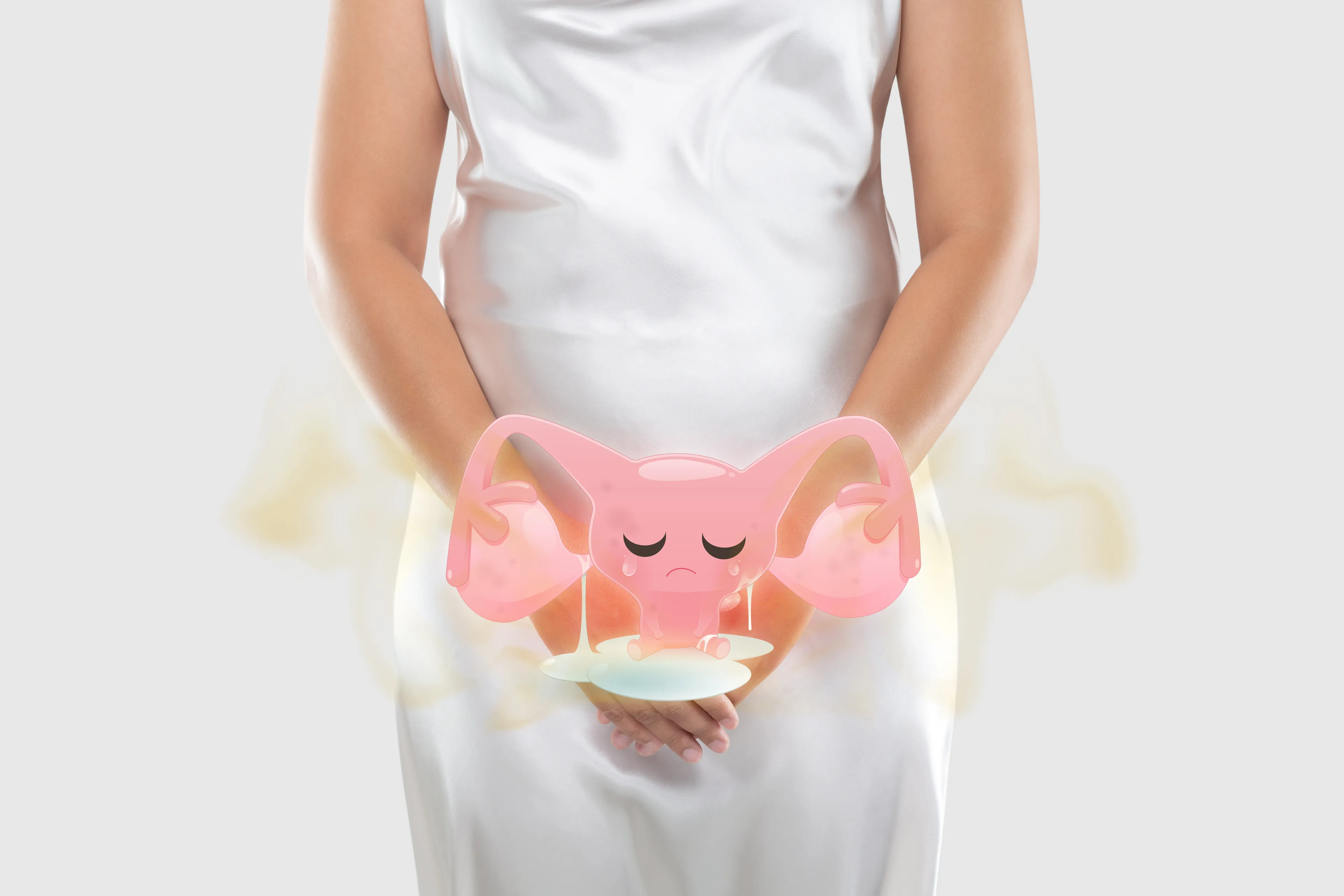
A common term for increased vaginal discharge during pregnancy is leukorrhea. Normal pregnancy discharge is usually thin, clear or milky white and does not have an unpleasant smell. The amount often increases during pregnancy. NHS guidance notes that this is normal and may help prevent infections from travelling upwards from the vagina to the womb.

Hormonal changes during pregnancy, including increases in oestrogen and progesterone, contribute to changes in the vaginal tissues and blood flow. ACOG also notes that increased oestrogen and blood flow to the vaginal area can occur during pregnancy and that vaginal discharge may increase.

White discharge alone is not a reliable way to confirm pregnancy. Although increased discharge can occur during pregnancy, it can also occur at other times. A pregnancy test is the appropriate way to determine whether you are pregnant.

Implantation occurs approximately 6 to 12 days after ovulation, although the timing varies. However, there is no established point after implantation when pregnancy-related white discharge is expected to begin. Therefore, the presence of discharge should not be used to estimate when implantation occurred or to confirm early pregnancy.

First Trimester: Discharge Changes and What Is Normal

During the first trimester, increased vaginal discharge can be a normal pregnancy change. Normal discharge may be:

  • Thin, clear or milky white
  • Mild-smelling or without an unpleasant smell
  • More noticeable than before pregnancy
  • Free from itching, burning or soreness

There is no fixed amount of discharge that is considered normal. Some women may notice very little, while others may notice a more obvious increase.

Light spotting can occur in early pregnancy for several reasons, but bleeding should not automatically be attributed to implantation. If you have vaginal bleeding during pregnancy, particularly if it is heavy or accompanied by pain, contact your healthcare professional for assessment. ACOG advises contacting an obstetrician or other healthcare professional about bleeding during pregnancy.

Second Trimester: Changes in Vaginal Discharge

As pregnancy progresses, vaginal discharge may become more noticeable. NHS guidance states that it is normal to have more discharge during pregnancy, with the amount increasing further towards the end of pregnancy.

The discharge may remain:

  • Clear, white or milky white
  • Thin or somewhat thicker
  • Free from a strong or unpleasant smell

An increase in discharge by itself does not necessarily indicate a problem. However, a sudden change in the character of the discharge should be assessed, particularly if it becomes watery, bloody or is accompanied by pelvic pressure, cramps or contractions.

A sudden gush or continuous trickle of watery fluid can be difficult to distinguish from ordinary discharge. It may indicate that the membranes have ruptured and amniotic fluid is leaking. ACOG advises contacting your obstetrician or other pregnancy-care provider if you think your waters have broken.

Third Trimester: Discharge and Signs of Labour

Vaginal discharge can increase further as you approach the end of pregnancy. Some changes in cervical mucus may occur as the body prepares for labour.

  • Mucus plug: The cervix contains mucus during pregnancy. Near the end of pregnancy, this mucus may come away as a thick, sticky or jelly-like discharge. It may contain small streaks of blood and is commonly called a show. NHS guidance notes that a show may occur in the last week or so of pregnancy and indicates that the body is preparing for birth, although labour may not begin immediately.
  • Watery discharge: A sudden gush or continuous trickle of watery fluid may indicate that the amniotic sac has ruptured. ACOG notes that water breaking can feel like either a gush or a trickle of fluid from the vagina. Contact your obstetric care provider promptly if you think this has happened.

A change in discharge can also occur with preterm labour. ACOG lists watery, bloody or mucus-like discharge, an increase in discharge, pelvic pressure, contractions and rupture of the membranes among possible signs. If these symptoms occur before 37 weeks, seek medical advice promptly.

A mucus plug or show can be a sign that the body is preparing for birth, but it does not reliably predict exactly when labour will begin.

Warning Signs: When Should You See a Doctor?

Not every change in vaginal discharge is a sign of infection, but changes in colour, smell or consistency, particularly when accompanied by other symptoms, should be assessed.

Contact your doctor or midwife if you notice:

  • Yellow or green discharge, particularly when accompanied by an unpleasant smell, itching or soreness
  • A strong or unusual vaginal odour
  • Itching, burning, redness or soreness around the vagina
  • Pain or burning when urinating
  • Thick, cottage-cheese-like discharge with itching or irritation
  • Frothy or otherwise unusual discharge
  • Vaginal bleeding during pregnancy
  • Pelvic or lower abdominal pain or pressure
  • A sudden gush or continuous leakage of watery fluid

NHS guidance advises contacting a midwife or healthcare professional for unpleasant-smelling, green or yellow discharge, vaginal itching or soreness, or pain while urinating.

The colour of discharge alone does not establish which infection is present. For example, different infections can cause overlapping changes in discharge, and some infections may cause few or no symptoms. A healthcare professional may need to examine the discharge or perform testing to determine the cause. CDC guidance recommends evaluation of symptomatic pregnant women for conditions such as bacterial vaginosis and trichomoniasis.

Common Infections That Can Affect Vaginal Discharge During Pregnancy

Vaginal infections can occur during pregnancy, and hormonal changes can affect the balance of organisms in the vagina. ACOG notes that vaginal infections are more common during pregnancy.

  • Yeast infection: Vaginal candidiasis can cause increased white discharge, often with a cottage-cheese-like appearance, along with itching or irritation. CDC states that vulvovaginal candidiasis occurs frequently during pregnancy.
  • Bacterial vaginosis: BV can cause a change in vaginal discharge, often accompanied by a fishy odour. Symptomatic pregnant women should be evaluated and treated because symptomatic BV is associated with adverse pregnancy outcomes.
  • Trichomoniasis and other infections: Trichomoniasis and sexually transmitted infections can also cause abnormal discharge or other genital symptoms.

Because symptoms can overlap, testing may be necessary to identify the cause. CDC recommends evaluation and treatment of symptomatic pregnant women with trichomoniasis.
These infections should not be diagnosed from discharge colour or appearance alone. Appropriate treatment during pregnancy depends on the specific infection and the medicines considered safe for pregnancy.

Precautions When Managing Vaginal Discharge During Pregnancy

If your discharge changes during pregnancy, avoid treating the symptom without first identifying the likely cause.

  • Do not self-medicate: Not every vaginal infection requires the same treatment, and some medicines are unsuitable during pregnancy. For example, CDC recommends only topical azole therapies for 7 days for vaginal candidiasis during pregnancy and advises against oral fluconazole.
  • Avoid douching: ACOG advises against douching during pregnancy and otherwise. The vagina cleans itself naturally, and douching can disturb its normal microbial balance.
  • Avoid scented products: Perfumed vaginal products, sprays and scented products can irritate the vulvovaginal area and may interfere with its normal balance.
  • Seek professional advice for persistent changes: If discharge changes in colour, smell or consistency, or is accompanied by itching, soreness, pain or urinary symptoms, speak with your doctor or midwife rather than assuming the cause.

If you develop a sudden gush or continuous leakage of fluid, contact your obstetric care provider promptly because it may indicate rupture of the membranes.

Conclusion

White discharge is common during pregnancy and may become more noticeable as pregnancy progresses. Normal pregnancy discharge is generally thin, clear or milky white and does not have an unpleasant smell. However, changes such as unusual colour or odour, itching, pain, bleeding or watery leakage should be assessed by a healthcare professional. Understanding these differences can help you recognise normal pregnancy changes while seeking timely care when something seems unusual.

FAQS

When does white discharge occur during pregnancy?

Increased vaginal discharge can occur during pregnancy and may become more noticeable as pregnancy progresses. There is no fixed point when pregnancy-related discharge must begin, so discharge should not be used to determine when implantation occurred or to confirm pregnancy.

Is white discharge an early sign of pregnancy?

Increased vaginal discharge can occur during pregnancy, but it is not a reliable standalone sign of pregnancy. If your period is late or pregnancy is possible, a pregnancy test is a more reliable way to check.
What colour should vaginal discharge be during pregnancy?

Normal pregnancy discharge is generally clear, white or milky white and does not have an unpleasant smell. A change to yellow or green, particularly with an unpleasant smell, itching or soreness, should be assessed by a healthcare professional.

Does every woman have white discharge during pregnancy?

Vaginal discharge commonly increases during pregnancy, but the amount varies between individuals. Some women may notice only a small change, while others may have considerably more discharge. The absence or presence of discharge alone does not indicate whether a pregnancy is healthy.

What should I do if pregnancy discharge has a strong smell?

A strong or unpleasant smell, particularly when accompanied by a change in colour, itching, soreness or pain while urinating, can be a sign of infection. Contact your doctor or midwife for assessment rather than using medication on your own.

Apollo 247 Floating Action Button