logo
0

Premenstrual Symptoms: Causes,Types,and How to Manage Them

Learn about premenstrual symptoms, including physical and emotional changes, PMS and PMDD, common causes, treatment options and when to seek medical advice.
 

article image

Dr.Kamran

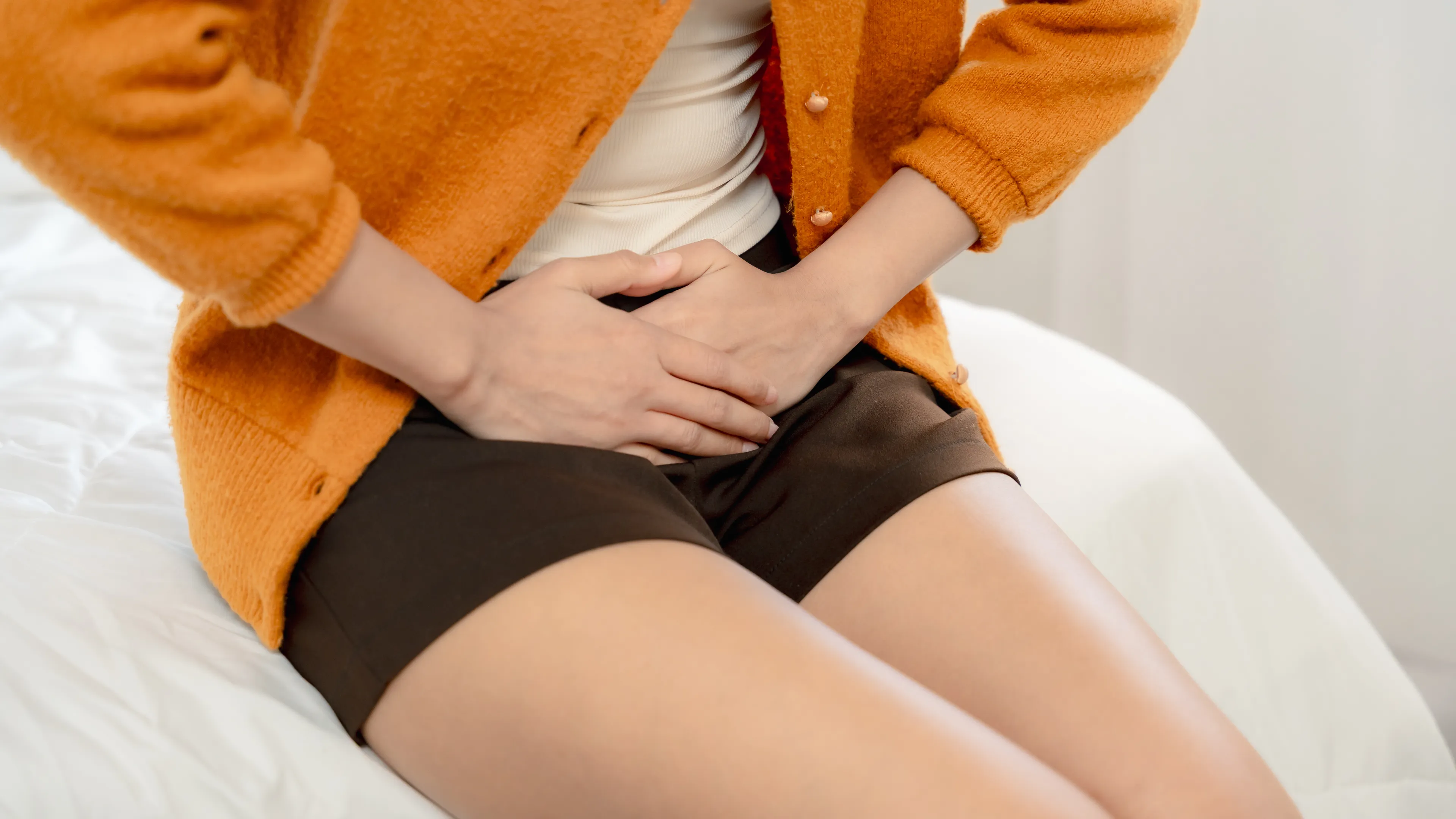
Premenstrual symptoms are physical, emotional and behavioural changes that can occur in the days or weeks before a period. They vary widely from person to person and may also change from one menstrual cycle to another.

This article explains common premenstrual symptoms, how premenstrual syndrome (PMS) differs from premenstrual dysphoric disorder (PMDD), what may contribute to these symptoms, and which lifestyle and medical treatments can help.

What Are Premenstrual Symptoms?

Premenstrual symptoms occur during the part of the menstrual cycle after ovulation and before menstruation. They usually improve when the period starts or within a few days afterwards. Symptoms can include changes in mood, appetite, sleep, energy levels and physical comfort.

The exact cause of PMS is not fully understood. It is thought to be related to sensitivity to the normal hormonal changes that occur during the menstrual cycle, particularly changes in oestrogen and progesterone. These hormonal changes may affect brain chemicals involved in mood and other symptoms.

Not everyone experiences PMS, and symptoms can range from mild to severe. Keeping a record of symptoms for at least two menstrual cycles can help identify whether they follow a consistent pattern and can provide useful information for your doctor.

What Are the Common Physical and Emotional Symptoms of PMS?

PMS can affect both physical and emotional wellbeing. Common symptoms include:

Physical Symptoms

  • Bloating or abdominal discomfort
  • Breast tenderness
  • Headaches
  • Tiredness
  • Abdominal cramps
  • Acne or changes in the skin
  • Changes in bowel habits
  • Muscle or joint aches
  • Changes in appetite or food cravings

Emotional and Behavioural Symptoms

  • Irritability or mood changes
  • Anxiety
  • Low mood or tearfulness
  • Difficulty concentrating
  • Changes in sleep
  • Feeling overwhelmed
  • Reduced interest in usual activities

Symptoms vary between individuals and may not occur during every cycle. The timing is also important. Symptoms that occur throughout the month rather than mainly before menstruation may have another cause and should be assessed if they are persistent or affecting daily life.

What Is the Difference Between PMS and PMDD?

Premenstrual dysphoric disorder (PMDD) is a more severe premenstrual disorder. It causes significant emotional and physical symptoms that can interfere substantially with daily activities, work or relationships.

Feature  PMS  PMDD
Symptoms Physical and emotional symptoms can occur More severe physical and emotional symptoms
Mood changes Irritability, low mood or anxiety may occur Marked depression, anxiety, irritability or emotional distress are common
Effect on daily lifeMay be mild or moderately disruptive   Can significantly affect work, relationships and daily activities
Diagnosis Based on the timing and pattern of symptoms  Requires assessment of a specific pattern and severity of symptoms over menstrual cycles
Treatment   Lifestyle measures and, when needed, medicinesMay include lifestyle measures, psychological treatment and prescription medicines

PMDD is not simply a more severe version of every PMS symptom. A prominent pattern of mood-related symptoms is an important part of the condition. A doctor may also assess for depression, anxiety and other conditions that can cause similar symptoms.

If premenstrual symptoms make it difficult to function normally or have a major effect on your relationships or wellbeing, speak with a doctor or gynaecologist.

If you have thoughts of self-harm or suicide, seek urgent mental health support.

Why Do Menstrual Cramps Happen Before or During a Period?

Menstrual cramps occur when the uterus contracts to help shed its lining. Prostaglandins, which are hormone-like substances involved in inflammation and pain, contribute to these contractions.

Painful periods are known as dysmenorrhoea. Primary dysmenorrhoea occurs without an underlying pelvic condition and is usually related to the menstrual cycle itself. Secondary dysmenorrhoea is associated with an underlying condition such as endometriosis, adenomyosis or fibroids.

Pain that becomes progressively worse, occurs outside menstruation or interferes significantly with daily activities should be assessed by a healthcare professional.

How Can You Relieve Premenstrual and Period Symptoms?

Several measures may help reduce symptoms. The most appropriate approach depends on which symptoms you experience and how much they affect you.

  • Apply a heat pad or hot water bottle to the lower abdomen or lower back to help relieve cramps.
  • Stay physically active. Regular aerobic exercise may help reduce fatigue, low mood and other PMS symptoms.
  • Maintain regular sleep habits and aim for adequate sleep.
  • Eat a balanced diet. Some people find that smaller, more frequent meals are helpful.
  • Reduce excess salt if bloating is a significant symptom.
  • Consider reducing caffeine and alcohol if they worsen your symptoms or affect your sleep.
  • Use pain relief medicines such as ibuprofen when appropriate and according to the product instructions or medical advice.
  • Keep a symptom diary for at least two menstrual cycles to identify patterns and discuss them with your doctor.

Some supplements, including calcium, magnesium and vitamin B6, may help with certain PMS symptoms, but evidence of their benefit is insufficient or inconsistent. A balanced diet is generally the preferred way to obtain these nutrients. If you are considering supplements for PMS, speak with your doctor, who can assess your symptoms, diet and overall health and recommend supplementation or appropriate treatment if needed.

Can You Have Period-Like Cramps Without a Period?

Mild pelvic discomfort can occur at different points in the menstrual cycle, including around ovulation. However, recurring or significant cramps when you are not menstruating can have other causes.

Possible causes include:

  • Ovulation pain, which may cause temporary pain on one side of the lower abdomen
  • Early pregnancy
  • Endometriosis
  • Ovarian cysts
  • Irritable bowel syndrome or other gastrointestinal conditions
  • Urinary or pelvic conditions

If pregnancy is possible and your period is late, a home pregnancy test can help determine whether you may be pregnant.

See a doctor if pain is persistent, recurrent, severe, worsening or associated with fever, unusual vaginal discharge, abnormal bleeding or other new symptoms.

What Precautions Should You Take With PMS Treatment?

Some medicines used for period pain and PMS are not suitable for everyone.

  • Speak with a doctor or pharmacist before taking NSAIDs if you have a history of stomach ulcers, kidney disease, certain bleeding disorders, asthma triggered by aspirin or NSAIDs, or an allergy to these medicines.
  • If you are pregnant or trying to conceive, ask your doctor before taking NSAIDs.
  • Tell your doctor or pharmacist about medicines you already take, including blood thinners and other regular medicines, to check for possible interactions.
  • Do not combine different NSAIDs unless specifically advised by a healthcare professional.
  • Do not take supplements regularly without checking whether they are appropriate for you.
  • If symptoms are severe or continue despite self-care, seek medical assessment rather than continuing to self-treat.

What Other Treatments Are Available for PMS and PMDD?

When lifestyle measures are not enough, a doctor may recommend treatment based on the symptoms and their severity.

Treatment options may include:

  • Hormonal contraception, such as certain combined contraceptive pills, for some people with PMS
  • Selective serotonin reuptake inhibitors (SSRIs), particularly when significant mood symptoms or PMDD are present
  • Cognitive behavioural therapy (CBT) to help manage emotional symptoms
  • Prescription pain relief or other medicines when appropriate
  • Treatment for an underlying condition if another health problem is contributing to the symptoms

The choice of treatment depends on your symptoms, medical history, pregnancy plans and other medicines you take. Your doctor can help you choose an option that is appropriate for you.

When Should You See a Doctor About Premenstrual Symptoms?

Consider speaking with a doctor if:

  • Symptoms affect your work, studies, relationships or usual activities
  • Symptoms are becoming more severe or occur for longer each month
  • Pain is severe or does not improve with appropriate treatment
  • Pelvic pain occurs outside your period
  • You have unusually heavy or irregular bleeding
  • You experience pain during sex
  • You have unusual vaginal discharge or fever with pelvic pain
  • You think you may have PMDD
  • Lifestyle measures have not provided enough relief

Seek urgent help if you have thoughts of self-harm or suicide, regardless of whether these symptoms occur before your period.

Conclusion

Premenstrual symptoms can include physical, emotional and behavioural changes that occur before menstruation. Mild symptoms are common, but symptoms that repeatedly interfere with daily life deserve medical attention.

Keeping a symptom diary can help identify the relationship between your symptoms and menstrual cycle. Lifestyle measures can provide relief for some people, while PMS and PMDD may require medicines or other treatments when symptoms are more significant.

FAQS

What is the main cause of premenstrual syndrome?

The exact cause of PMS is not fully understood. It is thought to involve the body's sensitivity to normal hormonal changes during the menstrual cycle, particularly changes in oestrogen and progesterone. These changes may affect brain chemicals and contribute to mood and physical symptoms.

Can PMS symptoms feel like pregnancy symptoms?

Yes. Breast tenderness, tiredness, bloating, changes in mood and mild cramping can occur with both PMS and early pregnancy. If pregnancy is possible and your period is late, a home pregnancy test can help determine whether you may be pregnant.

How long do premenstrual symptoms last?

PMS symptoms usually occur during the days or weeks before a period and improve when menstruation starts or within a few days afterwards. The exact timing varies between individuals. Symptoms that continue throughout the menstrual cycle may need assessment for another cause.

What foods may help with PMS symptoms?

A balanced diet containing whole grains, vegetables, fruit, pulses, nuts, seeds and calcium-rich foods can support overall health and may help some PMS symptoms. Reducing excess salt, caffeine and alcohol may also be helpful for some people. Supplements should be discussed with a doctor or pharmacist before regular use.

Is it normal to have severe cramps without a period?

Occasional mild pain, including pain around ovulation, can occur without menstruation. Severe, recurrent or worsening cramps outside your period are not typical and may be associated with conditions such as endometriosis, ovarian cysts or other pelvic conditions. Seek medical advice if the pain is persistent or accompanied by other symptoms.

Apollo 247 Floating Action Button