logo
0

Prickly Heat Powder for Newborn: Safe Use & Alternatives

Is prickly heat powder safe for newborns? Learn correct application, risks, contraindications and cooling alternatives, reviewed by a pediatrician.

article image

Dr.Rohini priyanaka

Few things worry new parents more than tiny red bumps appearing on a baby's delicate skin. Prickly heat powder for newborn use is one of the first remedies caregivers reach for, but knowing whether it is safe and how to use it correctly can make a real difference to your baby's comfort. This guide covers what causes heat rash, how to manage it safely, and when powder is not the right answer.

What Causes Prickly Heat in Newborns?

Newborn skin is thinner and more sensitive than adult skin, and sweat glands are still maturing. When a baby overheats, whether from warm weather, too many layers, or high indoor humidity, sweat can get trapped under the skin as the tiny ducts become blocked. The result is a mild inflammatory reaction called miliaria.

Prickly heat rash in newborns typically looks like:

  • Small red or pink bumps, often clustered together
  • A rash on the neck, chest, back, armpits, or skin folds
  • Slightly flushed skin around the bumps
  • Mild fussiness if the rash is irritating

The rash is not contagious and is not a sign of infection on its own. It usually clears up quickly once the baby cools down.

Is Prickly Heat Powder Safe for Newborns?

This is the question most parents ask first. The honest answer is that it depends on the type of powder, and extra caution is essential for very young infants.

Talcum powder particles are extremely fine. If a cloud of powder forms near a baby's face, even briefly, it can be inhaled into the airways. This is particularly dangerous in the first weeks of life when respiratory reflexes are still immature. Whether talcum powder is safe for newborns is a concern that many paediatricians take seriously, and most advise against talc-based products for this age group. The question of whether talcum powder is safe for newborns is not theoretical: inhaling fine particles can cause respiratory distress, and the risk is highest in the youngest infants.

Cornstarch-based heat rash powder for babies is considered a safer alternative by many practitioners, though it still carries some inhalation risk if applied carelessly. Always discuss the choice with your paediatrician before using any powder on a baby under three months old.

Some speciality baby powders are marketed as talc-free and dermatologically tested for infant skin. Check the ingredient list carefully before purchasing.

How to Apply Heat Rash Powder Correctly?

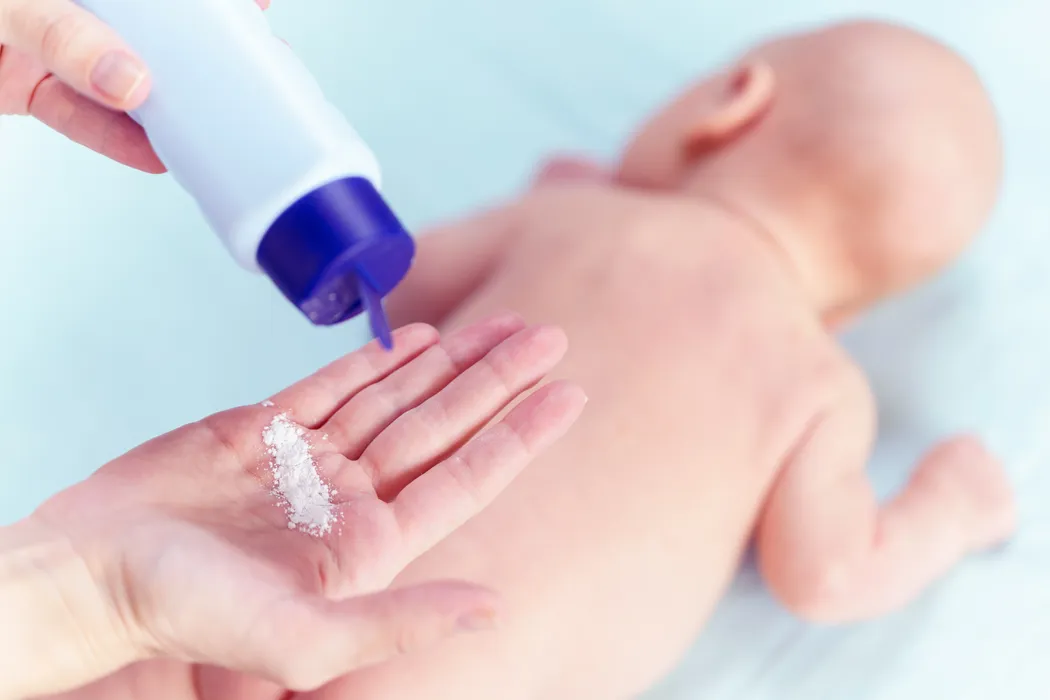
Careful application reduces the risk of inhalation and irritation. Knowing how to apply baby heat rash powder correctly matters as much as the product you choose.

Follow these steps every time:

  1. Make sure the skin is completely dry first. Pat gently with a soft towel; do not rub.
  2. Pour a small amount of powder into your own hand, away from the baby's face. Never shake the container directly over the baby.
  3. Smooth the powder over the affected area using your fingertips.
  4. Keep the baby's face turned away during application. Cover their nose and mouth with your free hand if needed.
  5. Avoid skin folds such as the groin, armpits, and neck creases. Powder can cake in these areas and trap moisture, making the rash worse.
  6. Use the minimum amount needed. A thin layer is enough.

For broader guidance on keeping delicate infant skin healthy, this overview of newborn skin and hygiene care basics covers essential hygiene practices for new parents.

Contraindications and When to Avoid Powder?

Do not use any prickly heat powder for newborn care in the following situations:

  • The skin is broken, blistered, or has open sores. Powder can irritate raw skin and introduce particles into a wound.
  • Your baby has a known sensitivity or allergy to any ingredient in the product, including talc, cornstarch, or added fragrances.
  • Your baby has a respiratory condition such as wheezing, nasal congestion, or a history of breathing difficulties. Even minimal inhalation can aggravate these conditions.
  • The rash shows signs of infection: yellow or green discharge, significant swelling, warmth to the touch, or spreading redness.
  • Your baby is premature,e or the neonatal care team has advised avoiding topical products.

If you are in any doubt, skip the powder and use one of the cooling alternatives below until you can speak to your doctor.

Report adverse events to your healthcare provider or the relevant regulatory authority.

Cooling Alternatives to Powder

Many cases of prickly heat rash in newborns respond well to simple cooling measures alone, with no powder needed at all. These cooling remedies for baby heat rash are often all that is required.

  • Lukewarm baths are one of the most effective options. A 10 to 15-minute soak in slightly cool water helps bring down skin temperature and gently unblocks sweat ducts. Pat dry carefully afterwards.
  • Loose, breathable cotton clothing makes a significant difference. A single light layer is usually enough. Avoid synthetic fabrics that trap heat against the skin.
  • Keep the room cool. A fan set to low, or a room temperature of around 24 to 26 degrees Celsius, can prevent new bumps from forming. Avoid directing airflow straight at the baby.
  • Calamine lotion is a gentle cooling option that some paediatricians recommend for babies over a few weeks old. It soothes itching and dries the rash without powder risks. Check with your doctor before using it on a very young infant.
  • A soft cloth dampened with cool water and held gently aṄgainst the rash for a few minutes can ease discomfort quickly.

These baby prickly heat home remedies work best when you also address the underlying cause. If the baby is overdressed or the room is too warm, no remedy will work for long. Among the most reliable cooling remedies for baby heat rash is simply reducing heat exposure at the source.
When to See a Doctor?

Most heat rashes clear within two to three days with basic cooling care. Seek medical advice promptly if you notice any of the following:

  • Fever alongside the rash
  • Pus, yellow crusting, or discharge from the bumps
  • The rash is spreading or becoming significantly redder
  • No improvement after two to three days of home care
  • Your baby seems unwell, unusually lethargic, or is feeding poorly

These signs can point to a secondary skin infection or another condition that needs professional assessment. When in doubt, a quick call to your paediatrician is always the right move.

Conclusion

Managing prickly heat in newborns centres primarily on cooling the skin, reducing environmental warmth, and allowing the skin to breathe naturally. While cornstarch-based or talc-free powders offer a temporary drying option when used carefully on dry skin, standard cooling remedies like lukewarm baths, loose cotton clothing, and cool room temperatures remain the safest primary line of defence. If the rash shows signs of secondary infection or fails to improve within three days, seek direct medical evaluation from your paediatrician.

FAQS

Can I use prickly heat powder on my newborn's face?

No. The face is the highest-risk area for inhalation. Always keep powder away from the nose, mouth, and eyes, and never apply it to a baby's face.

How often should I apply heat rash powder on a baby?

If a doctor has approved its use, apply only once or twice a day, always to dry skin, and only to the affected area. More frequent application does not speed healing and increases inhalation exposure.

Is cornstarch powder better than talc for babies?

Cornstarch-based powder is generally considered safer than talc because talc particles pose a documented inhalation risk. That said, cornstarch still requires careful application away from the baby's face, and some paediatricians prefer non-powder alternatives altogether.

Can prickly heat powder cause breathing problems in infants?

Yes, it can if inhaled. Fine powder particles, particularly talc, can enter the airways and cause respiratory distress. This is why many paediatricians advise against using any powder near a newborn's face or in enclosed spaces.

How long does prickly heat take to heal in newborns?

With adequate cooling and loose clothing, most heat rashes improve within two to three days. If the rash persists beyond that or worsens, consult your paediatrician.

Apollo 247 Floating Action Button