logo
0

Prickly Heat Powder for Newborns: Safe Use & Care

Learn whether prickly heat powder is safe for newborns, how to prevent heat rash, safer alternatives, application tips, and when to consult a paediatrician.

article image

Dr. Nallapu Siri

Heat rash is one of the most common skin concerns new parents face, especially during India's warm and humid months. Knowing when and how to use prickly heat powder for newborn skin can make the difference between quick relief and an avoidable complication. This guide covers what causes heat rash, how to manage it safely, and when powder is genuinely helpful versus when to skip it entirely.

What Is Prickly Heat (Heat Rash) in Newborns?

Prickly heat, medically called miliaria, happens when sweat ducts become blocked and sweat gets trapped under the skin. Newborns are especially vulnerable because their sweat glands are still developing and cannot regulate body temperature the way an adult's can.

The rash appears as tiny red or pink bumps, sometimes with small clear or white blisters at the centre, and the surrounding skin may look flushed. Heat rash in newborns typically worsens after a feed or a nap, when the baby has been warm and still for a while. Common locations include:

  • Neck folds and under the chin
  • Armpits and elbow creases
  • Chest and upper back
  • Diaper area and groin

Affected skin often makes babies fussy because it feels itchy or prickly to the touch.

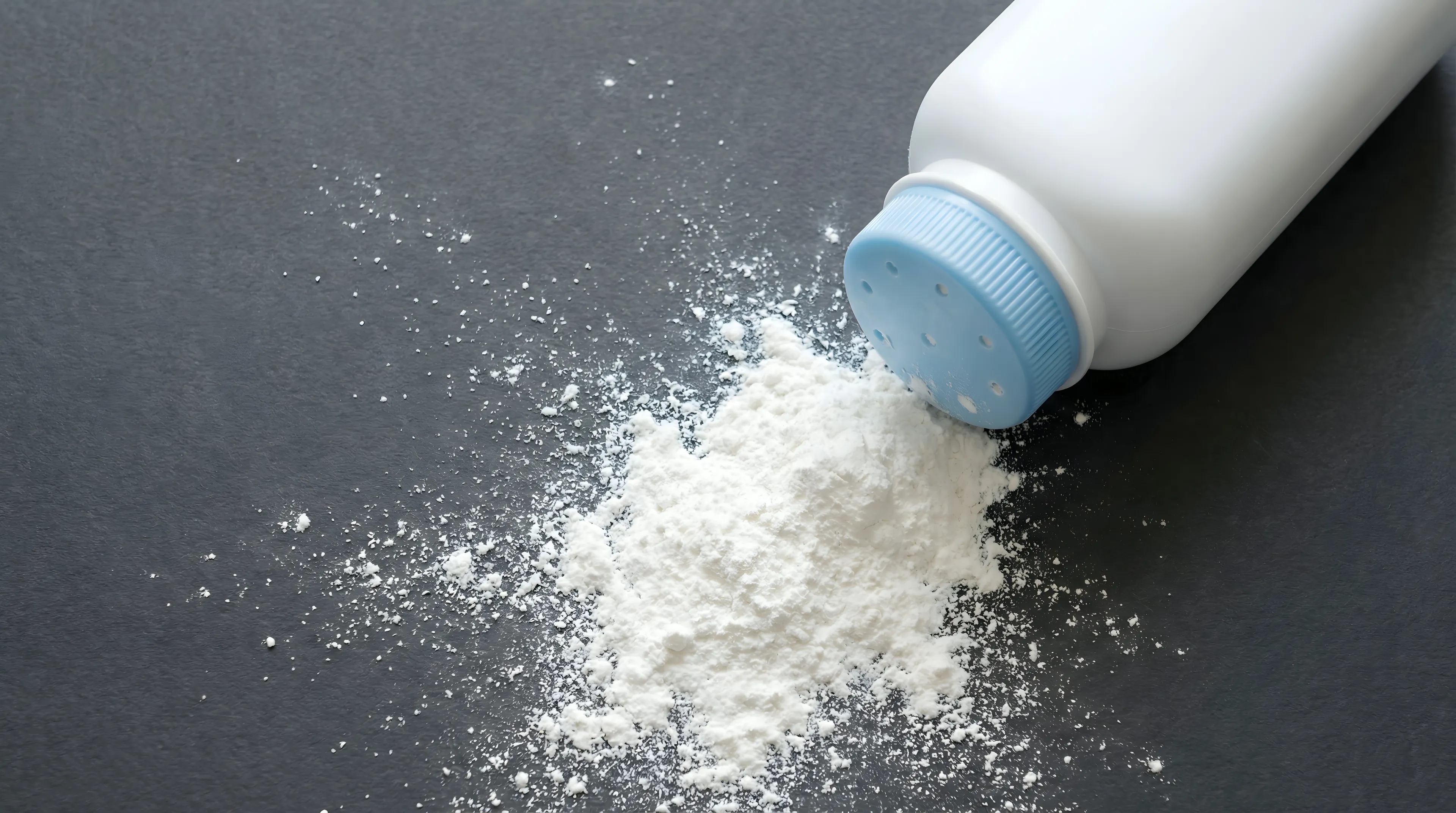
Is Prickly Heat Powder Safe for Newborns?

Many parents get conflicting advice here, so the answer deserves clarity.

  • Talc-based powders: Fine talcum particles can become airborne and may irritate a newborn's airways if inhaled. Avoid using talc-based powders on or around newborns.
  • Talc-free alternatives: Corn starch or zinc oxide-based powders may be considered alternatives when specifically recommended, but they should not be used freely or routinely.
  • Corn starch powder: When exposed to moisture, corn starch powder can clump in skin folds and may increase moisture and irritation, potentially contributing to fungal overgrowth.

The honest answer is that prickly heat powder for newborn skin should only be used after consulting your paediatrician. Many doctors recommend cooling measures and gentle skincare before introducing any powder. Never apply powder near the baby's face, and keep the container away from areas where the baby could inhale or reach it.

How to Choose and Apply Prickly Heat Powder Correctly

If your paediatrician approves powder use, look for products that are:

  • Talc-free, with corn-starch as the base ingredient
  • Free from added fragrances or chemical preservatives
  • Formulated specifically for infant skin

Zinc oxide or calamine-based formulations can also help by soothing mild inflammation and forming a gentle protective barrier. These are common active ingredients in baby powder for heat rash recommended by paediatricians.

Application technique matters as much as the product:

  • Ensure the baby's skin is completely dry before applying anything.
  • Pour a small amount into your own hand first, away from the baby's face.
  • Pat it lightly onto the affected area. Do not rub or puff it directly from the container.
  • Avoid deep skin folds where powder tends to clump and trap moisture.
  • Never apply powder to the face, genitals, or any area the baby might bring close to their mouth or nose.

If you are unsure which option suits your baby's age and rash severity, ask your paediatrician or pharmacist for a specific recommendation.

Contraindications and When to Avoid Powder Use

There are clear situations where prickly heat treatment for infants should not involve powder at all:

  • Broken or weeping skin: powder on open skin can introduce bacteria and delay healing.
  • Signs of infection: a crusted, pus-filled, or unusually smelling rash needs medical attention, not powder.
  • Respiratory conditions: babies with any breathing difficulty or a history of respiratory distress should not be near powder.
  • Known allergic reaction to a similar product: do not switch products without medical guidance.
  • Deep skin folds: powder clumps here and can worsen friction rather than relieve it.

Report adverse events to your healthcare provider or the relevant regulatory authority.

Prevention Strategies for Newborn Heat Rash

Preventing heat rash in newborn skin is easier than treating it. Small daily habits go a long way.

  • Choose lightweight clothing: Dress the baby in loose, breathable cotton clothing and avoid materials that may trap heat against the skin.
  • Avoid overdressing: Dress your newborn in about one additional light layer compared with what you are comfortably wearing.
  • Keep the room comfortable: Maintain good ventilation and a comfortable room temperature. Avoid directing a fan or air conditioner directly at the baby.
  • Allow brief air exposure: During supervised care, allowing the baby's skin to remain uncovered for a few minutes in a comfortably warm room may help reduce moisture.
  • Keep skin folds dry: Gently pat the neck, armpits, and other skin folds dry after feeds or sweating rather than rubbing the skin.
  • Avoid heavy products: On hot days, avoid thick creams or heavy oils that may increase occlusion and contribute to blocked sweat ducts.

Safe Skin Care Tips Beyond Powder

For gentle care of newborn skin, these simple measures can help cool the skin, reduce moisture, and minimise irritation:

  • Use lukewarm baths: A brief bath with lukewarm water can help remove sweat and keep the skin clean. Use a mild, fragrance-free newborn cleanser when needed and gently pat the skin dry rather than rubbing.
  • Apply a cool cloth: Hold a clean, cool, damp cloth gently against the affected area for a few minutes to help soothe prickling and discomfort.
  • Choose breathable fabrics: Cotton muslin swaddles and loose cotton clothing can help keep the baby's skin comfortable. Avoid heavy fleece or fabrics that trap heat.
  • Use gentle laundry products: Wash baby clothes with an unscented, baby-safe detergent and rinse them thoroughly to minimise potential skin irritation.

Good newborn skin care covers more than just the rash. If you want guidance on other aspects of keeping your baby comfortable and clean, a useful starting point is learning how to care for your newborn's belly button, another area that needs gentle, careful attention in the early weeks.

When to See a Doctor?

Most cases of heat rash in newborns clear up within a few days with simple cooling measures. However, some signs mean it is time to call your paediatrician rather than waiting. Seek medical attention if:

  • The rash is not improving after 2 to 3 days of home care
  • The baby develops a fever alongside the rash
  • The rash looks infected, with pus, crusting, or an unusual smell
  • The rash spreads rapidly or covers a large area of the body
  • The baby seems unusually distressed or unwell

Do not attempt to self-prescribe topical or oral medications for your newborn. Any medicated treatment should be prescribed by a qualified paediatrician based on an examination.

Conclusion

Prickly heat in newborns is usually best managed by keeping the baby cool, dry, and comfortable rather than relying on powder. Use loose, breathable clothing, maintain a comfortable room temperature, and gently cleanse and dry sweaty skin folds. If a paediatrician recommends a powder, choose an infant-appropriate talc-free product and apply it carefully, keeping it away from the baby's face and airways. Avoid powder on broken, weeping, infected, or deeply folded skin, where it may worsen irritation. If the rash spreads, becomes crusted or pus-filled, or your baby develops breathing difficulty or other concerning symptoms, seek prompt medical advice. Always follow your paediatrician's guidance for persistent or worsening newborn rashes.

FAQs

Can newborns use prickly heat powder daily?

Daily use is generally not recommended without paediatrician guidance. Frequent application, especially in skin folds, can lead to powder build-up, moisture trapping, and increased risk of irritation or fungal infection.

What is the best home remedy for prickly heat in babies?

Lukewarm baths and keeping the skin cool and dry are the most effective home measures. A damp, cool cloth applied briefly to the rash can also ease discomfort without any product risk.

Does prickly heat go away on its own in newborns?

Yes, in most cases heat rash in newborns resolves within 2 to 3 days once the skin is kept cool and dry. No special treatment is usually needed if the rash is mild and the baby is otherwise well.

Can heat rash spread on a baby's body?

Heat rash itself is not contagious and does not spread from person to person. However, it can appear in new areas if the baby continues to overheat, so addressing the underlying heat and humidity is important.

Is coconut oil good for newborn heat rash?

Coconut oil is not recommended for heat rash because it can form a film over the skin and further block sweat ducts. Keeping the skin clean, dry, and cool without heavy oils is the better approach.

Apollo 247 Floating Action Button