logo
0

Prolactin Blood Test: Normal & Abnormal Results

Learn what a prolactin serum blood test measures, normal ranges, causes of high/low prolactin, and treatment options. Reviewed by a medical expert.

article image

Dr.Rohini priyanaka

A prolactin serum blood test measures how much prolactin, a pituitary hormone, is circulating in your blood. If your doctor has suggested this test for irregular periods, unexplained infertility, or milk discharge from the breasts when you are not breastfeeding, understanding what the results mean can make the whole process far less stressful.

What Is a Prolactin Serum Blood Test?

Prolactin is best known for stimulating breast milk production after childbirth, but it also plays a role in reproductive health for both men and women. A prolactin serum blood test checks whether levels are too high or too low, helping doctors pinpoint causes of symptoms like infertility, missed periods, or reduced sex drive.

Gynaecologists, endocrinologists, and sometimes general physicians order this test. Results are usually available within 24 to 48 hours.

Prolactin Test Procedure: What to Expect

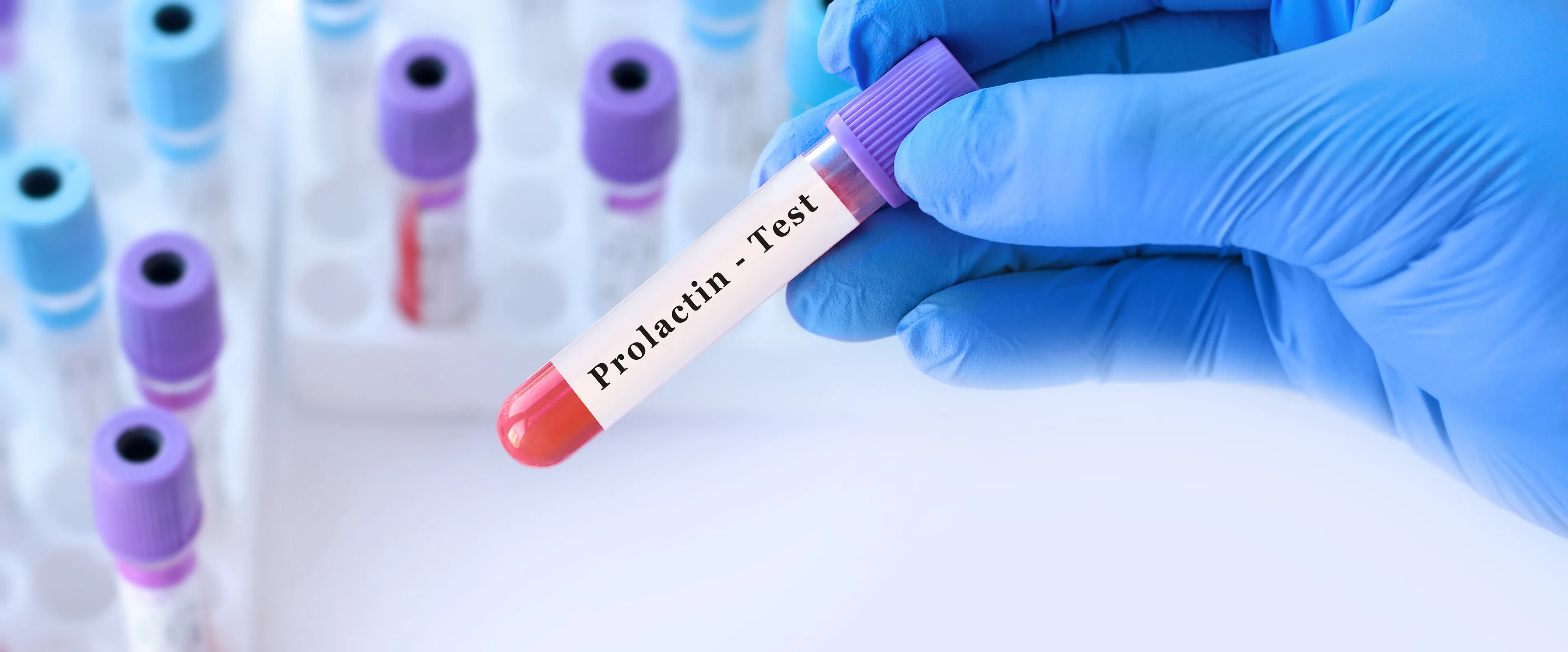
The prolactin test procedure is straightforward. A trained phlebotomist draws a small blood sample from a vein, usually in the crook of your elbow. The whole process takes under five minutes and causes only mild, brief discomfort.

Timing matters more than fasting. Prolactin naturally peaks during sleep and in the early morning, so the sample is ideally collected two to three hours after waking, typically between 8 and 10 am. You do not need to skip food or water, but your doctor will usually ask you to:

  • Avoid vigorous exercise on the morning of the test
  • Refrain from breast stimulation or sexual activity the night before
  • Arrive as relaxed as possible, since physical or emotional stress can temporarily raise prolactin

Tell your doctor about all medications you take before booking the test. Several common drugs significantly affect prolactin levels and may require a temporary pause or a timing adjustment.

Normal Prolactin Levels by Age and Gender

Results are reported in nanograms per millilitre (ng/mL). Reference ranges vary slightly between laboratories, so always read your result alongside the range printed on your specific lab report.

GroupApproximate Normal RangeMen2 to 18 ng/mLNon-pregnant women2 to 29 ng/mLPregnant women10 to 209 ng/mL (rises through trimesters)Postmenopausal women2 to 15 ng/mL

The prolactin normal range in pregnancy is much wider because levels rise steeply and stay elevated throughout breastfeeding. A reading that looks "high" in that context is completely expected. If your result falls outside your lab's printed range, talk to your doctor rather than comparing figures you find online, since ranges differ by method and equipment.

What High Prolactin Levels Indicate

Persistently raised prolactin is called hyperprolactinemia. It is one of the more common hormonal disorders in adults of reproductive age.

Common causes include:

  • A pituitary adenoma (prolactinoma), a usually benign pituitary tumour and the most frequent cause
  • Hypothyroidism, where low thyroid hormone drives up prolactin as a secondary effect
  • Medications including antipsychotics, some antidepressants, antinausea drugs, and certain blood pressure medicines
  • Chronic kidney or liver disease
  • Repeated or stressful blood draws, sometimes called stress hyperprolactinemia

High Prolactin Levels Symptoms

Symptoms differ by sex.

In women, the most common signs are irregular or absent periods, difficulty conceiving, and galactorrhea (milk discharge unrelated to breastfeeding). Bone density can fall over time if oestrogen is suppressed by persistently high prolactin.

In men, raised prolactin often causes reduced libido, erectile dysfunction, and infertility. Breast tissue enlargement or discharge occurs less often.

Both men and women may develop headaches or visual disturbances if a larger pituitary tumour presses on nearby structures. These symptoms need prompt medical attention.

What Low Prolactin Levels Indicate

Low prolactin is less common and often found incidentally on a broader hormonal panel. The main low prolactin cause is pituitary insufficiency (hypopituitarism), where the gland is underactive due to a tumour, prior surgery, radiation, or a head injury.

Most healthy adults with a mildly low reading have no symptoms and need no treatment. The exception is a breastfeeding mother, where very low prolactin can contribute to poor milk supply. If low levels appear alongside deficiencies in other pituitary hormones, further imaging of the pituitary gland is usually recommended.

Contraindications and Precautions

There is no medical reason to avoid a simple blood draw. However, several situations can skew results and should be flagged with your doctor beforehand:

  • Drugs that raise prolactin: dopamine-blocking antipsychotics, metoclopramide, domperidone, some opioids, and oestrogen-containing contraceptives
  • Drugs that lower prolactin: dopamine agonists, levodopa
  • Recent nipple stimulation, vigorous chest-wall exercise, or significant emotional distress
  • Untreated hypothyroidism (prolactin often normalises once the thyroid condition is managed)
  • Pregnancy and breastfeeding (elevated levels are physiological, not pathological)

If your result seems unexpectedly high after a stressful commute or hard workout, your doctor may ask for a repeat test under calmer conditions before acting on it.

Prescribing information disclaimer: Drug information in this article is for general awareness only. Dosing, suitability, and interactions must be assessed by a qualified healthcare professional. Do not start, stop, or change any medication based on this content.

Adverse event reporting: Report adverse events related to any medication or procedure to your healthcare provider or the relevant regulatory authority.

Treatment Options for Abnormal Prolactin Levels

Hyperprolactinemia Treatment

The approach depends entirely on the underlying cause.

Dopamine agonists are the first-line hyperprolactinemia treatment for prolactinomas and idiopathic high prolactin. These oral medicines reduce prolactin production and often shrink the tumour over months. Your endocrinologist will select the agent and dose based on your specific situation; do not attempt to self-medicate.

If a medication is driving your high prolactin, switching or stopping that drug under medical supervision frequently brings levels back to normal. If hypothyroidism is the culprit, treating the thyroid condition usually resolves the prolactin problem without any direct intervention.

Surgery or radiation is reserved for the rare prolactinoma that does not respond to medication or causes significant vision problems.

Can High Prolactin Be Treated Without Medicine?

If the cause is lifestyle-related, such as chronic stress or excessive nipple stimulation, reducing these triggers can help. The prolactin test for infertility work-up often reveals drug-induced causes that resolve with a simple prescription change. However, for a confirmed prolactinoma or true hormonal disorder, medical or surgical treatment is almost always necessary.

Managing Low Prolactin

Low prolactin from pituitary insufficiency is managed by treating the underlying pituitary condition. Isolated low prolactin without other hormonal deficiencies rarely requires specific intervention.

Medical disclaimer: This article is for informational purposes only and does not constitute medical advice, diagnosis, or treatment. Always consult a qualified doctor or specialist for personal medical guidance. Apollo Hospitals and its authors accept no liability for decisions made based on this content.

FAQs

What is the normal range for a prolactin serum test?

For non-pregnant women, the prolactin normal range is roughly 2 to 29 ng/mL; for men, approximately 2 to 18 ng/mL. Always check the reference range on your specific lab report, as values differ slightly between laboratories and testing methods.

What foods increase prolactin levels?

Foods rich in tryptophan (such as dairy and certain grains) and some herbal supplements may modestly influence prolactin, but the effect in healthy people is generally small. No dietary change should replace medical treatment for clinically high prolactin.

Can stress affect prolactin test results?

Yes. Physical or emotional stress, including a difficult commute or anxiety about the blood draw itself, can temporarily raise prolactin. This is why the prolactin test procedure calls for a calm morning appointment, and why your doctor may repeat the test if the first result seems unexpectedly elevated.

Is the prolactin test done on an empty stomach?

Fasting is not required for a prolactin test. Timing matters more: the sample should be collected two to three hours after waking, and you should avoid strenuous exercise and breast stimulation beforehand.
Apollo 247 Floating Action Button