logo
0

Pumping Breast Milk: Storage & Milk Supply Tips

Learn safe techniques for pumping breast milk, correct storage and handling, and natural ways to boost supply. Reviewed by a lactation-trained pediatrician.

article image

Dr.J.T.Hema Prathima

Pumping breast milk is one of the most practical skills a new mother can learn, yet it comes with a surprising number of questions: How often should I pump? How long can the milk sit out? Why does my supply seem to drop?

Whether you are returning to work, building a freezer stash, or supplementing a low latch, having reliable answers helps you feed your baby with confidence. This guide covers everything from getting started with your pump to safe storage, gentle handling, and evidence-based ways to support your supply.

How to Pump Breast Milk Correctly

Choosing a Pump

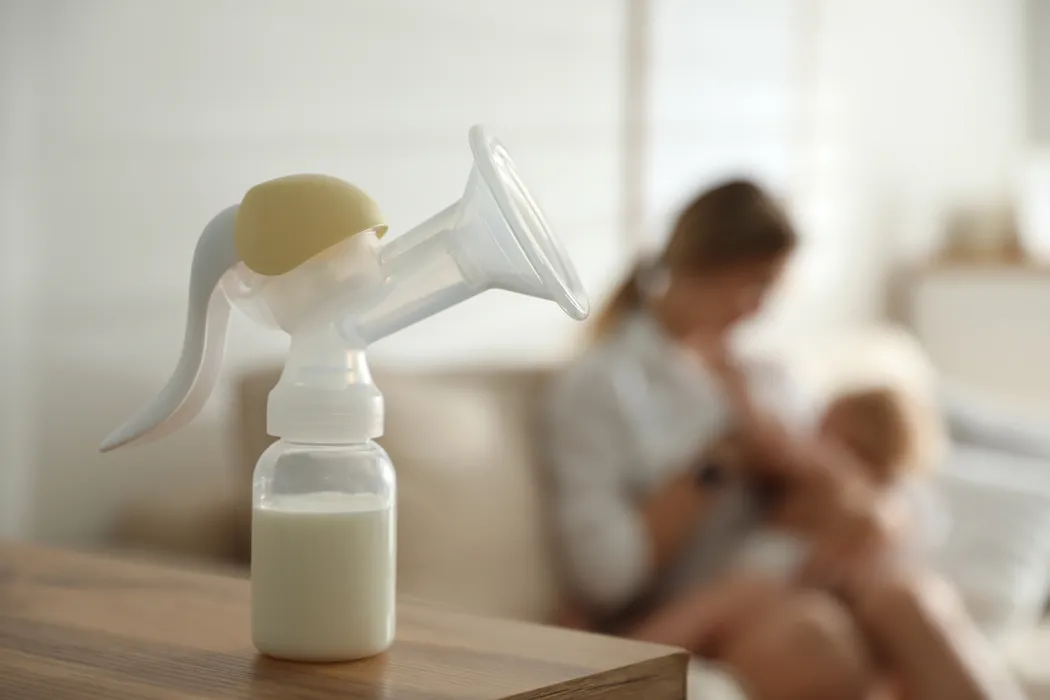
  • Manual Breast Pumps: Lightweight, silent, and highly portable. Ideal for occasional pumping, travel, or relieving engorgement on the go.
  • Electric Breast Pumps (Double Pumping): Hospital-grade double electric pumps are far more efficient for regular daily expression and for establishing an abundant milk supply in the early postpartum weeks.
  • Flange Sizing: Before your first session, verify your breast shield (flange) size. The flange is the funnel-shaped cup that rests over your nipple. An incorrect fit is the leading cause of nipple trauma, friction blisters, and reduced milk volume.

Getting the Technique Right

  • Hand Hygiene: Wash your hands thoroughly with soap and water before every pumping session.
  • Flange Alignment: Centre your nipple within the flange tunnel so it moves freely without rubbing against the sides during suction cycles.
  • Suction Adjustment: Begin on a low suction, rapid-cycle mode (stimulation phase) to trigger the let-down reflex, then transition to a slower, deeper cycle (expression phase). Increase suction only to a comfortable level where milk flows steadily; pumping should never cause pain.
  • Session Duration: Aim for 15 to 20 minutes per breast, or continue for 2 minutes after the last drops of milk have ceased flowing.
  • Hands-on Pumping: Gently massaging and compressing the breast tissue before and during pumping significantly enhances drainage and increases milk fat content.

How Often to Pump

  • Exclusively Pumping (Newborn Stage): Aim for 8 to 12 sessions in 24 hours, mirroring the natural feeding frequency of a newborn infant. As supply stabilises over the first 6 to 8 weeks, this can gradually consolidate to 6 to 8 sessions daily.
  • Pumping Alongside Direct Breastfeeding: Express immediately after nursing or midway between feeds to signal the body to produce additional milk.
  • Hygiene Standards: Clean and sanitise all pump components that come into direct contact with milk after every session.

Breast Milk Storage Guidelines: Fridge, Freezer, Room Temperature

Knowing how to store breast milk correctly protects your baby from harmful bacterial growth. The table below reflects widely accepted guidance from major health organisations.
 

Storage LocationTemperatureSafe Storage DurationKey Handling Notes
Room TemperatureUp to 25°CUp to 4 hours (optimal); up to 6 hours under strict clean conditionsKeep covered and out of direct sunlight.
Refrigerator4°C or lowerUp to 4 daysStore at the back of the shelf, never in the refrigerator door.
Internal Freezer Compartment   \-15°C or lowerUp to 2 weeks   Located inside a single-door refrigerator.
Fridge-Freezer (Separate Door)\-18°C or lower3 to 6 monthsStore away from self-defrosting walls.
Deep Freezer (Standalone)    \-18°C or lowerUp to 6 months (optimal); up to 12 months acceptableMaintains the most stable sub-zero temperature.

Essential Storage Best Practices:

  • Storage Containers: Use sterilised, BPA-free plastic bottles or dedicated breast milk storage bags designed specifically for freezing.
  • Labelling: Clearly label every container with the date, time, and expressed volume.
  • Freezing Technique: Lay milk storage bags flat in the freezer; this allows them to freeze evenly, stack compactly, and thaw rapidly. Leave about 2.5 cm (1 inch) of headspace at the top of containers to accommodate liquid expansion.
  • First-In, First-Out (FIFO): Always use the oldest stored milk first to ensure optimal nutritional quality.
  • Never Refreeze Thawed Milk: Once frozen milk has been fully thawed in the refrigerator, use it within 24 hours. Never refreeze thawed breast milk. Milk thawed at room temperature or in warm water must be used within 2 hours.

Handling and Warming Stored Milk Safely

Thawing Frozen Milk

  • Refrigeration (Safest): Transfer frozen milk bags to the refrigerator 12 hours before intended use.
  • Quick Thawing: Hold the sealed container under cool running water, gradually increasing to warm water, or submerge it in a bowl of lukewarm water.

Warming Refrigerated Milk

  • Gentle warming method: Place the sealed container in a bowl of warm (not boiling) water for a few minutes, or use a dedicated bottle warmer.
  • Swirl to mix: Swirl the bottle gently rather than shaking it to mix any fat that has separated.
  • Do not microwave: Microwave heating creates uneven hot spots that can scald your baby’s mouth and destroy heat-sensitive immunoglobulins (IgA), enzymes, and antibodies.

Discard Rules

  • Remaining Feed: Any milk left in the bottle after a feeding has commenced must be discarded within 2 hours due to bacterial contamination introduced by the infant's saliva.
  • Rancid Odour: If stored milk smells sour or distinctly curdled, discard it immediately.
  • Safety Rule: When in doubt, throw it out.

Natural Ways to Boost Milk Supply

Breast milk production works on a supply-and-demand cycle. The more consistently milk is removed, the more the body produces.

Practical Steps That Work

  • Pumping Frequency & Night Sessions: Removing milk frequently is the most effective stimulus. Ensure at least one pumping session occurs between midnight and 5:00 AM, when maternal prolactin levels naturally peak.
  • Hydration: Drink to satisfy your thirst throughout the day; keep a bottle of water next to your pumping station.
    Nutritional Intake: Consume a nutrient-dense, calorie-sufficient diet. While oats and traditional galactagogues (such as fenugreek) are popular, overall caloric adequacy and frequent milk extraction remain the primary drivers of supply.
    Skin-to-Skin Contact: Holding your baby skin-to-skin releases oxytocin, triggering the let-down reflex and enhancing milk output during subsequent pumping sessions.

Power Pumping

Power pumping mimics a baby's cluster-feeding pattern to signal the body to increase supply. A typical schedule is:

  • Pump for 20 minutes
  • Rest for 10 minutes
  • Pump for 10 minutes
  • Rest for 10 minutes
  • Pump for 10 minutes

Do this once a day for several days in a row. Many mothers notice an improvement within 3 to 5 days. It works best when done at your highest-supply time of day, usually in the morning.

For broader context on newborn care basics after birth, including umbilical cord care, Apollo's newborn guides are a helpful resource alongside lactation support.

When to See a Doctor or Lactation Consultant

Some pumping challenges go beyond simple technique adjustments.

Reach out to a certified lactation consultant (IBCLC) or your doctor if:

  • Your supply has not come in by day 5 after birth.
  • You are consistently pumping very small amounts despite frequent sessions and good technique.
  • You experience cracked or bleeding nipples that do not heal with correct flange fit and lanolin cream.
  • You notice breast redness, warmth, a hard lump, or fever, which can be signs of mastitis. Mastitis needs prompt medical treatment; continuing to pump or nurse is usually recommended, but antibiotics may be required.
  • Your baby is losing weight or not meeting expected wet-diaper counts.

Low supply has identifiable causes in many cases, including thyroid issues, hormonal imbalances, and certain medications. A physician can investigate and guide treatment rather than leaving you to guess.

Contraindications and Precautions

Pumping and breastfeeding are not appropriate in every situation. Discuss your circumstances with your doctor if any of the following apply.

  • Maternal Viral/Bacterial Infections: Conditions such as active, untreated tuberculosis or HIV (in settings where safe, acceptable infant formula is reliably accessible) require individual specialist assessment.
  • Prescription Medications: Always confirm that any maternal medications, thyroid treatments, or antidepressants are clinically compatible with lactation.
  • Unregulated Herbal Galactagogues: Herbal teas and high-dose supplements can interact with prescription drugs; consult a pharmacist before use.
  • Previous Breast Surgery: Prior breast reduction or augmentation surgery may affect glandular tissue and milk duct integrity.
  • Infant Galactosaemia: Infants diagnosed with classical galactosaemia cannot metabolise lactose and must strictly receive specialised galactose-free formula.

Report adverse events related to any supplement, device, or medication to your healthcare provider or the relevant regulatory authority.

Conclusion

Mastering breast milk expression requires patience, consistent technique, and strict adherence to milk safety guidelines. By using correctly sized pump flanges, following safe storage temperatures, and removing milk frequently, you can successfully establish and sustain a robust milk supply that meets your baby's nutritional needs. If you encounter persistent supply dips, nipple discomfort, or signs of breast inflammation, reach out to a certified lactation consultant or your doctor for personalised, clinical guidance.

FAQS

How long does pumped breast milk last at room temperature?

At room temperature up to 25 degrees C, freshly expressed milk is safe for up to 4 hours under typical conditions, and up to 6 hours if expressed under very clean conditions. If you know it will not be used within that window, refrigerate or freeze it promptly.

Can I mix freshly pumped milk with older stored milk?

Yes, but cool the freshly pumped milk in the refrigerator first before combining it with already-cold stored milk. Never add warm milk directly to cold milk, and use the date of the oldest milk to label the combined container.

How many times a day should I pump to increase supply?

If you are trying to build supply, aim for 8 to 12 sessions in 24 hours, particularly in the early weeks. Adding power pumping once a day on top of your regular schedule can further increase output over 3 to 5 days.

Is it normal to pump less milk than my baby drinks?

Yes, many mothers pump less than their baby takes at the breast, because a baby's latch is usually more efficient than a pump. A lower pump output does not necessarily mean low supply. Track your baby's weight gain and wet nappies as better indicators of adequate intake.

How do I clean my breast pump parts safely?

Rinse all parts that touched milk in cold water first, then wash in hot soapy water using a dedicated basin, not the shared sink, and allow to air-dry on a clean towel. The Centers for Disease Control and Prevention recommends sanitising parts once a day for extra protection, especially for newborns or premature babies. Check your pump manual for parts that are not dishwasher safe.

Apollo 247 Floating Action Button