logo
0

Pumpkin Puree for Babies: Easy Recipes & Health Benefits

Discover how to make healthy pumpkin puree for your baby. Learn step-by-step recipes, nutritional benefits, and tasty combinations for starting solids.

article image

Dr.Nallapu Siri

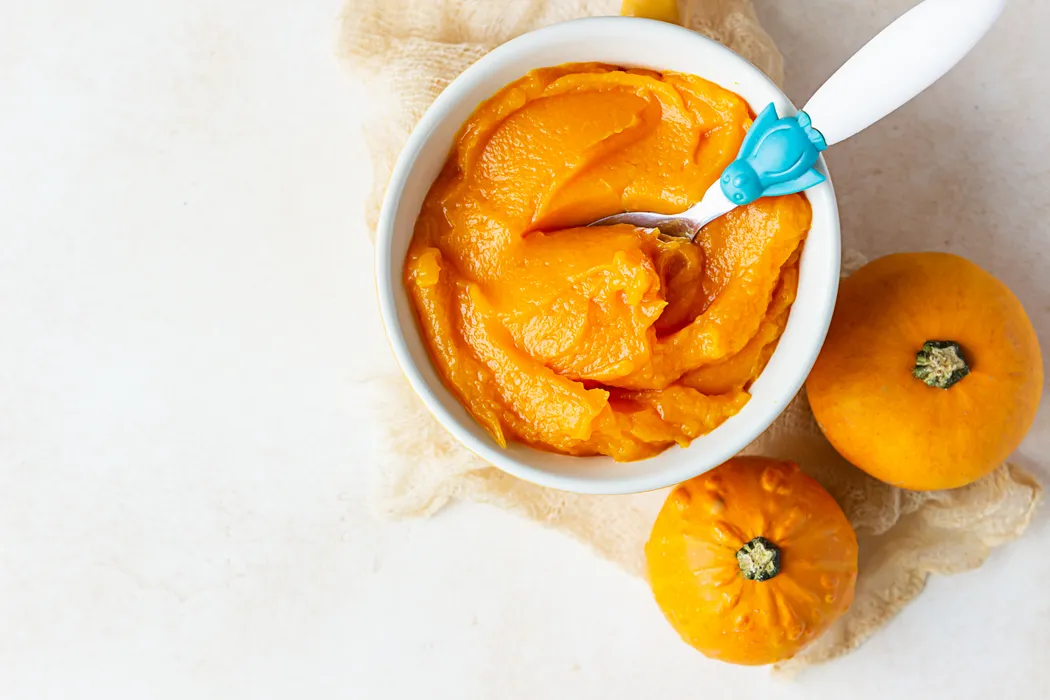
Starting your little one on solid foods is an incredibly exciting milestone. Among the absolute best first foods you can introduce to your infant is a delicious, nutrient-dense pumpkin puree baby food option. Naturally sweet, velvety, and exceptionally gentle on tiny tummies, pumpkin is a nutritional powerhouse that supports rapid growth.

If you are beginning your solid food journey, you might wonder why pumpkin puree baby feeding is so highly recommended by paediatricians, or how you can prepare it safely at home. In this comprehensive guide, we will explore the wonderful health benefits of pumpkin, step-by-step instructions on how to prepare it, and creative ways to combine it with other healthy ingredients.

Is Pumpkin Good for Babies? The Health Benefits

When parents start planning their infant's first menu, a common question is: is pumpkin good for babies? The answer is a resounding yes. The unique pumpkin puree benefits for baby development make this vibrant orange winter squash a staple in infant nutrition.

Because pumpkin is good for babies in so many ways, let’s look at the specific nutrients packed inside:

  • Immune System Support: Pumpkin is rich in beta-carotene, which your baby's body converts into Vitamin A. This crucial vitamin supports healthy eye development, skin health, and a strong immune system.
  • Healthy Digestion: If you have wondered, "Is pumpkin puree good for babies who suffer from constipation?", you will be glad to know it is highly effective. Pumpkin is loaded with dietary fibre and has a high water content, which naturally keeps bowel movements soft and regular.
  • Rich in Essential Minerals: Pumpkin contains vital minerals like potassium, calcium, and magnesium. These nutrients support healthy muscle function, bone development, and overall cellular growth, making pumpkin good for babies as they grow rapidly.
  • Gentle on Tummies: Pumpkin has a very low allergen risk and a smooth, naturally comforting texture. This makes it an ideal pumpkin food for baby digestive systems that are still adjusting to processing solid foods.

When Can I Introduce Pumpkin to My Baby?

Many parents wonder, "Can I give pumpkin to my baby?" and specifically, "Can I give pumpkin to my 6-month-old baby?"

According to major health organisations, including the World Health Organisation (WHO) and the Centres for Disease Control and Prevention (CDC), infants should be introduced to complementary solid foods around 6 months of age. At this stage, preparing a smooth pumpkin puree for 6-month baby meals is a wonderful choice.

But can we give pumpkin puree to 6 month baby safely? Yes. If your child shows signs of developmental readiness—such as sitting upright with minimal assistance, holding their head steady, and showing interest in your food—introducing pumpkin puree for 6-month baby meals is highly recommended.

Signs of Solid Food Readiness (Around 6 Months):

  • Good head and neck control
  • Sitting upright with little to no support
  • Doubled birth weight
  • Showing eager interest in what you are eating

Can Babies Have Pumpkin Earlier or Later?

  • At 5 Months: Some parents ask about serving pumpkin puree for 5 month old baby meals. While 6 months is the standard recommendation, some paediatricians may clear babies to start solids slightly earlier if they show all signs of readiness.
  • At 8 Months: Feeding a slightly thicker pumpkin puree for 8 month baby helps them practice chewing.
  • At 9 Months: Transitioning to textured pumpkin baby food at 9 months helps develop oral motor skills.
  • Finger Foods: Eventually, you can transition from spoon-feeding to letting your infant enjoy safe pumpkin finger food baby pieces.

Which Pumpkin is Good for Babies?

Before cooking, it is important to know which pumpkin is good for babies. Avoid using the large jack-o'-lantern pumpkins typically sold for carving at Halloween. These are stringy, watery, and relatively flavourless.

Instead, look for small varieties often labelled as sugar pumpkins or pie pumpkins. These smaller squashes have a denser, sweeter, and much smoother flesh that is perfect for making a high-quality pumpkin baby puree.

If you live in South Asia or are looking up pumpkin puree baby India recipes, you can use the local sweet red pumpkin (commonly known as kaddu), which is naturally sweet and yields a beautifully smooth texture.

How to Make Pumpkin Puree for Baby: Step-by-Step

Making a homemade pumpkin puree baby batch is much fresher, more cost-effective, and simpler than buying pre-packaged jars. Plus, a homemade pumpkin puree baby batch contains no added preservatives, salt, or refined sugars.

Here is an easy, step-by-step pumpkin baby food recipe to make at home:

Step 1: Prep the Pumpkin

Wash the outside of a sugar pumpkin thoroughly. Cut it in half, scoop out the seeds and stringy pulp, and peel away the skin with a sharp knife or vegetable peeler. Chop the clean flesh into small, even-sized cubes.

Step 2: Cook the Pumpkin

Steaming is the preferred cooking method because it helps retain the maximum amount of water-soluble vitamins. To make a steamed pumpkin baby puree, place your pumpkin cubes in a steamer basket over boiling water. Cover and steam for 15 to 20 minutes, or until the pieces are completely tender when pierced with a fork. This results in perfectly cooked steamed pumpkin baby food.

Step 3: Puree to a Smooth Consistency

Transfer the warm, cooked pieces into a blender or food processor to make a steamed pumpkin puree baby meal. Blend on high until you achieve a smooth pumpkin puree baby texture.

If you are preparing pumpkin puree baby food smooth enough for a young infant, add a splash of breast milk, prepared formula, or cooking water to thin it down to your baby's preferred consistency.

Step 4: Storage

Let the pumpkin puree baby food homemade batch cool completely. You can store fresh homemade pumpkin baby food in the refrigerator in an airtight container for up to 3 days. To save time later, portion the remaining puree into clean silicone ice cube trays and freeze. Once frozen, transfer the cubes to a freezer-safe bag for up to 3 months.

What to Mix with Pumpkin for Baby Food: Tasty Combinations

Once your baby has successfully tolerated plain pumpkin on its own for a few days, you can begin mixing it with other foods. Parents often ask: what to mix with pumpkin for baby food or what can I mix with pumpkin for baby food?

Because of its mild, sweet flavour, pumpkin works beautifully in a variety of pumpkin combination baby food recipes. Here are some nutrient-rich pumpkin puree combinations for baby meals:
1. Sweet Fruit Pairings

  • Pumpkin and Apple: Sweet apples complement the earthiness of pumpkin beautifully. To prepare a delicious pumpkin and apple puree for baby, steam chopped apples and pumpkin together, then blend into a smooth pumpkin apple puree baby dish.
  • Pumpkin and Banana: For a quick, no-cook option, simply mash a ripe banana and stir it into warm, pre-made pumpkin puree. This pumpkin and banana puree for baby is packed with potassium and natural sweetness.

2. Savoury Vegetable Combinations

  • Pumpkin and Carrot: Combining two vibrant orange vegetables boosts your baby's beta-carotene intake. You can easily make a carrot pumpkin puree baby dish by steaming carrots and pumpkin together. Whether you call it a pumpkin carrot puree for baby, a pumpkin carrot puree baby, or a pumpkin and carrot puree for baby, this vitamin-A-rich blend is always a hit.
  • The Ultimate Orange Medley: For an advanced vegetable blend, combine carrots, sweet potato, and pumpkin. This nutrient-dense vegetable puree carrot pumpkin baby mix (also referred to as a vegetable puree baby carrot pumpkin blend) is comforting and sweet.

3. Hearty Grains

  • Pumpkin Porridge: Stir a few tablespoons of warm pumpkin puree directly into prepared baby oatmeal, quinoa, or rice cereal. This comforting pumpkin porridge for baby makes a filling and nutritious breakfast.
  • A Touch of Spice: When deciding what to mix with pumpkin puree for baby bowls, don’t hesitate to add a tiny pinch of ground cinnamon or nutmeg to create a cosy pumpkin recipe for 7-month-old baby meals.

Progressing Textures: Mash and Finger Foods

As your infant continues their pumpkin puree baby feeding journey, it is important to gradually transition them from smooth purees to more complex textures to support speech and jaw development.

Infant Texture Transition Guide:

  • 6 Months: Smooth, runny pumpkin puree
  • 7-8 Months: Thick, fork-mashed pumpkin
  • 9+ Months: Soft, bite-sized steamed pumpkin cubes

If your baby is around 7 to 8 months old, you can move away from the blender and serve a textured pumpkin mash baby food. To make a delicious mashed pumpkin baby food, simply steam the pumpkin until it is very soft, then mash it thoroughly with a clean fork. Serving a steamed pumpkin mash baby food or steamed pumpkin mashed baby food allows your baby to practice moving thicker textures around their mouth.

For older infants practising baby-led weaning (usually around 9 months and older), you can prepare steamed pumpkin cubes baby food. Ensure the steamed pumpkin cubes are tender enough to be easily squished between your thumb and forefinger to prevent choking. This soft pumpkin finger food baby prep allows your child to feed themselves independently, enhancing their hand-eye coordination.

Having a versatile pumpkin recipe for baby, baby pumpkin recipe, pumpkin baby recipe, or a trusty pumpkin baby food recipe in your meal rotation ensures your child gets consistent, enjoyable nutrition as they grow.

FAQS

Can I give pumpkin puree to a 6-month-old baby every day?

Yes, can I give pumpkin puree to a 6-month-old baby daily is a common question. While pumpkin is highly nutritious and safe for daily consumption, it is always best to offer a wide variety of different foods to ensure a balanced intake of nutrients. Feeding your baby too many beta-carotene-rich foods (like pumpkin, carrots, and sweet potatoes) can sometimes cause a harmless, temporary orange tint to their skin called carotenemia.

Is pumpkin puree good for 6 month old baby digestion?

Yes. If you are wondering if pumpkin puree is good for 6 month old baby digestion, the answer is absolutely. Pumpkin is packed with dietary fibre and has a high water content, which helps support healthy digestion and keeps your baby's bowel movements soft and regular.

Can babies eat pumpkin every day?

Yes, can babies eat pumpkin every day? Technically, yes, in moderate amounts. However, offering a rotation of different vegetables (like peas, broccoli, and squash) ensures your baby receives a broad spectrum of vitamins and minerals.

Can I use canned pumpkin puree for my baby?

Yes, you can use canned pumpkin for baby food, but you must check the ingredient label carefully. Ensure it is 100% pure pumpkin puree with no added sugars, salt, preservatives, or spices (avoid canned pumpkin pie mix, which contains added sugars and spices). Homemade is always preferred for fresh flavour, but canned pure pumpkin is a safe and convenient backup.

What are the best pumpkin puree recipes for baby that help with constipation?

Some of the best pumpkin puree recipes for babies struggling with mild constipation involve mixing pumpkin with other high-fibre fruits. Try a simple pumpkin apple puree baby blend or a pear-and-pumpkin mixture, as pears and apples contain natural sugars that help stimulate bowel movements.

Apollo 247 Floating Action Button