logo
0

Raisins for Babies

Raisins for babies: Learn when babies can eat raisins, their nutritional benefits, safe serving methods, choking risks, and important precautions for parents.


article image

Dr. Bhanu Prakash

Starting your baby on solid foods is an exciting milestone. As a parent, you want to introduce a wide variety of nutritious, flavorful, and wholesome foods to support your little one’s rapid growth. During this journey, you might look at the humble raisin and wonder if this sweet, chewy dried fruit is suitable for your infant.

While raisins are packed with essential vitamins and minerals, their small size and sticky texture make whole raisins a major choking hazard for young infants. Fortunately, you do not have to skip out on these nutritional powerhouses. Preparing a smooth, homemade raisin puree baby food is a fantastic way to safely introduce the rich flavor and health benefits of raisins to your baby's diet starting around six months of age.

In this comprehensive guide, we will explore the nutritional benefits of raisins, explain how to safely prepare them, provide step-by-step recipes, and share essential safety tips to keep your baby happy and healthy.

Are Raisins Good for Babies? Nutritional Benefits and Safety

When parents begin planning their infant's menu, a common question arises: is raisins good for babies? The short answer is yes—but only when they are prepared in an age-appropriate, safe texture.

When you are wondering if raisins are good for babies, it helps to look at the impressive nutritional profile of dried grapes. Raisins are concentrated sources of energy and nutrients, making them highly beneficial for growing infants when served correctly.

1. Excellent Source of Iron

Around the six-month mark, a baby’s natural prenatal iron stores begin to deplete. Because iron is critical for brain development and healthy red blood cells, introducing iron-rich foods is vital. Raisins contain a notable amount of dietary iron, which helps prevent iron-deficiency anemia in growing babies.

2. High in Dietary Fiber

Constipation is a common issue when babies transition from breast milk or formula to solid foods. Raisins are rich in soluble and insoluble fiber. Introducing raisin puree baby food into your baby's meal rotation can help regulate bowel movements and keep their delicate digestive system running smoothly.

3. Packed with Essential Minerals

Raisins contain vital minerals, including:

  • Calcium: Supports bone growth and strong tooth development.
  • Potassium: Helps maintain healthy fluid balance and muscle function.
  • Magnesium: Assists in nerve function and energy production.

4. Rich in Antioxidants

Raisins are loaded with phytochemicals and antioxidants. These compounds help protect cells from damage and strengthen your baby's developing immune system.

The Danger of Whole Raisins: Choking Hazard Warning

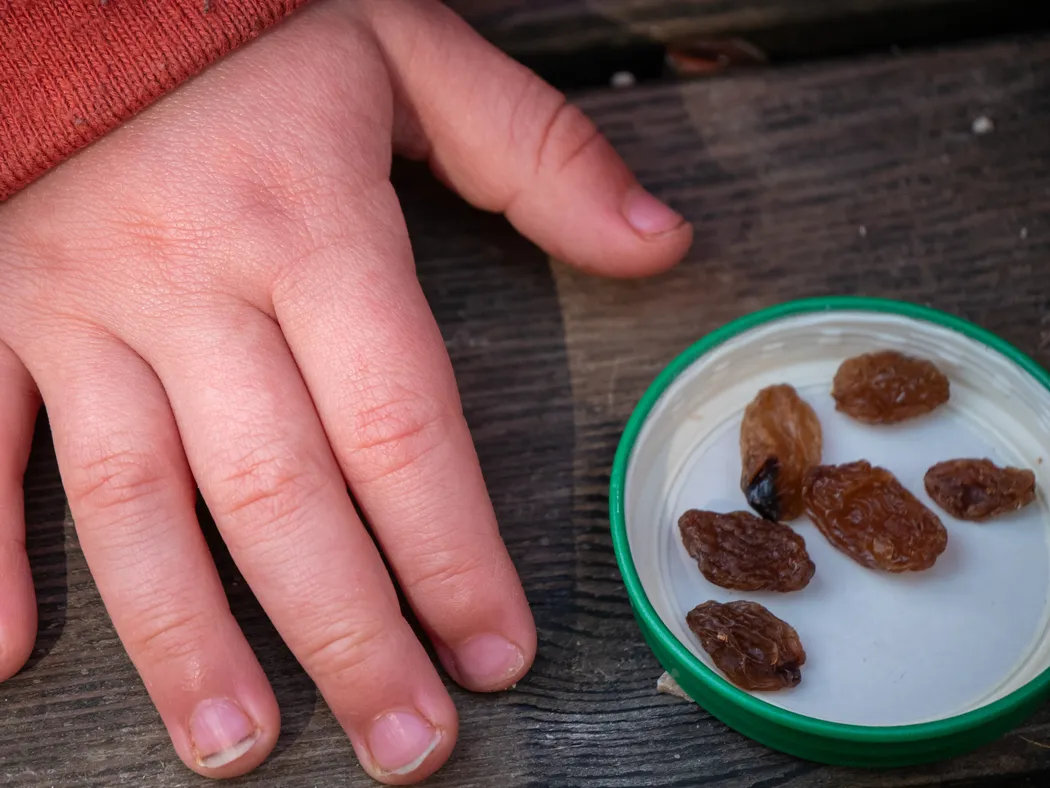
While the nutrients in raisins are highly beneficial, whole raisins pose a severe choking risk for infants and toddlers. According to the Centers for Disease Control and Prevention (CDC), small, sticky, and hard-to-chew foods should be kept away from babies who are just starting solids.

Because babies under one year old do not have the molars required to grind down tough, chewy textures, a whole raisin can easily slip into their airway. Additionally, their sticky nature makes them difficult to wash down with saliva.

To completely eliminate this risk, raisins must always be cooked, softened, and blended into a smooth raisin puree baby food or mashed thoroughly before serving.

How to Safely Prepare Raisins for Your Baby

To make raisins safe for your infant, you must rehydrate them. Raw raisins are too tough for a baby's gums to break down. Soaking and boiling them plumps them up, softens their skins, and makes them easy to blend or mash.

How to Make Raisin Puree Baby Food (For Babies 6+ Months)
This smooth, delicious raisin puree baby food is perfect for babies who are just starting their solid food journey.

Ingredients:

  • 1/2 cup of organic, unsweetened raisins
  • 1 cup of filtered water (or unsweetened apple juice for extra flavor)
  • Breast milk, formula, or warm water (for thinning the puree)

Instructions:

  • Rinse: Thoroughly rinse the raisins under cool running water to remove any surface dust or debris.
  • Boil and Soften: In a small saucepan, bring the water to a boil. Add the raisins, lower the heat, and let them simmer for about 10 to 15 minutes. The raisins should look plump, soft, and swollen.
  • Cool: Remove the saucepan from the heat and let the raisins cool down to a safe temperature. Do not discard the cooking liquid, as it contains vitamins washed out during the boiling process.
  • Blend: Transfer the softened raisins and a few tablespoons of the cooking liquid into a high-speed blender or food processor. Blend on high until the mixture is completely smooth and free of skin fragments.
  • Adjust Consistency: If the puree is too thick, add a splash of breast milk, infant formula, or warm water to achieve a smooth, runny consistency suitable for your baby’s stage of eating.

This basic raisin puree baby food is highly versatile and can be served on its own or mixed into other nutritious foods like oatmeal, infant cereal, or unsweetened Greek yogurt.

Soaked Raisins Mashed Baby Food (For Babies 9+ Months)


As your baby grows and develops their chewing skills, you can gradually transition them to slightly textured foods. For older infants who are ready for texture, soaked raisins mashed baby food offers a wonderful bridge between smooth purees and soft table foods.

This stage helps babies practice moving food around their mouths and using their gums to mash textured solids.

Ingredients:

  • 1/2 cup of organic raisins
  • 1 cup of boiling water

Instructions:

  • Soak: Place the raisins in a heat-safe bowl and pour the boiling water over them. Let them soak for at least 30 minutes to 1 hour until they are incredibly soft and easily squished between your fingers.
  • Drain: Drain the raisins, reserving the soaking liquid.
  • Mash: Use a fork, a potato masher, or a baby food mill to thoroughly mash the raisins.
  • Check for Safety: Ensure there are no large, intact pieces of raisin skin. The texture of your soaked raisins mashed baby food should resemble a thick, lumpy jam. If it is too dry, add a teaspoon of the reserved soaking liquid or breast milk to soften it further. 

Health Considerations and Dental Care

While raisins are a natural, whole food, they are highly concentrated in natural sugars. When fruits are dried, their water content is removed, leaving behind a higher concentration of sugar and calories per gram than fresh fruit.

Because of this, it is best to offer raisin purees in moderation. Pairing raisin puree with vegetables, whole grains, or proteins can help prevent rapid spikes in blood sugar and provide a more balanced meal.

Protecting Your Baby's Developing Teeth

According to dental health experts, sticky foods like dried fruits can pose a risk to infant teeth. The sticky residue of raisins can cling to your baby's newly emerging teeth and gums, creating a breeding ground for bacteria that cause tooth decay.

To protect your baby's smile:

  • Avoid letting your baby snack on sweet purees constantly throughout the day.
  • Offer a few sips of water after meals to help wash away lingering fruit sugars.
  • Gently wipe your baby’s gums with a damp, clean cloth or brush their teeth with an infant-safe toothbrush after they eat.

How to Store Homemade Raisin Baby Food

Preparing homemade baby food in batches saves time and ensures your little one always has a healthy snack ready. Here is how to store your homemade purees safely:

  • Refrigeration: Store fresh raisin puree baby food in an airtight, BPA-free container in the refrigerator for up to 3 days.
  • Freezing: Spoon the puree into clean silicone ice cube trays and freeze until solid. Once frozen, transfer the cubes into a freezer-safe bag. Frozen raisin puree will keep well for up to 3 months.
  • Thawing: Thaw frozen portions overnight in the refrigerator, or warm them up by placing the container in a bowl of warm water. Always stir thoroughly and test the temperature on the inside of your wrist before feeding your baby.

Conclusion

Raisins can be a nutritious addition to a baby’s diet when introduced in an age-appropriate and safe form. They provide fiber and important nutrients, but whole raisins can pose a choking risk because of their small, sticky, chewy texture. For babies around 6 months and older who are beginning solids, softened and smoothly blended raisin puree is a safer option, while older babies can gradually move toward thoroughly mashed textures as their eating skills develop.
Because raisins are naturally concentrated in sugar and can stick to emerging teeth, they should be offered in moderation with appropriate dental care. With proper preparation, portion control, and attention to choking safety, raisins can be included as part of a varied and balanced diet for babies.

FAQS

When can my baby safely eat whole, dry raisins?

Babies should not eat whole, dry raisins until they are at least 18 months to 2 years old, though many pediatricians recommend waiting until age 4. Children need a full set of molars and mature chewing and swallowing coordination to safely handle the sticky, chewy texture of whole dried fruits without choking.

Can raisin puree help relieve my baby's constipation?

Yes! Raisins are natural mild laxatives because they are high in dietary fiber and contain tartaric acid. Introducing a small amount of warm raisin puree or mixing it into their morning oatmeal can naturally encourage healthy bowel movements.

Should I buy organic raisins for baby food?

Whenever possible, choosing organic raisins for your baby is highly recommended. Grapes consistently rank high on pesticide residue lists, and because raisins are concentrated dried grapes, buying organic helps minimize your baby's exposure to synthetic chemical residues.

Can I mix raisin puree with other baby food purees?

Raisin puree pairs well with other single-ingredient baby food purees and can naturally add sweetness to tart or bitter foods. You can mix it with oatmeal or barley infant cereal, sweet potato or butternut squash puree, unsweetened Greek yogurt, or apple or pear sauce.

Can raisins cause an allergic reaction in babies?

While raisin allergies are rare, any food can potentially cause a reaction. When introducing raisins for the first time, offer them alone or with a food your baby has already safely eaten. Monitor your baby closely for 3 to 5 days for any signs of an allergic reaction, such as a skin rash, hives, vomiting, or diarrhea.

Apollo 247 Floating Action Button