Contraindications and Precautions
Home breathing checks are useful for monitoring a well baby, but they have real limits.
Counting breaths at home does not replace:
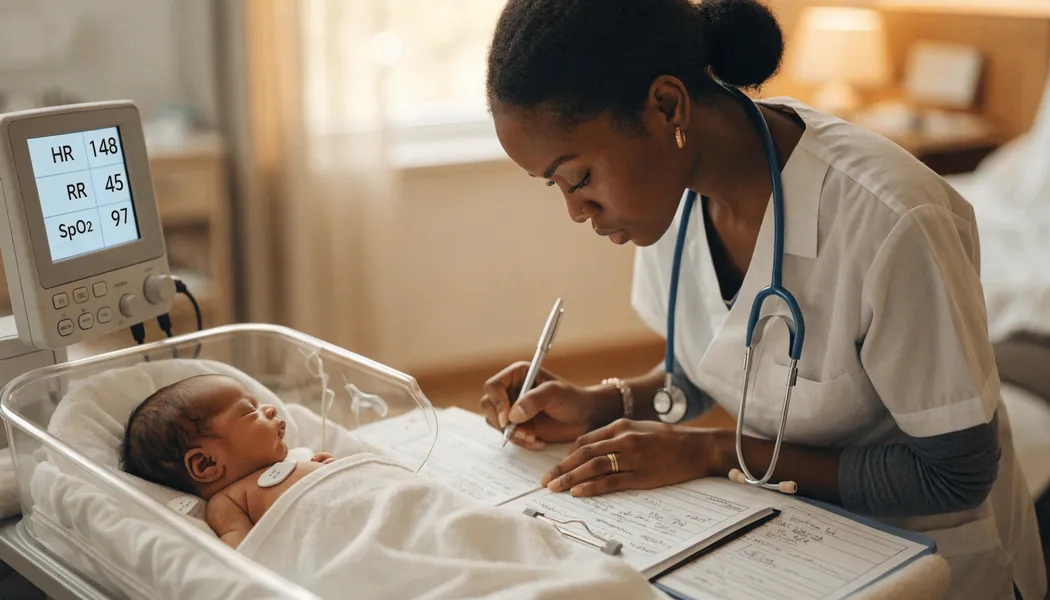
- Pulse oximetry. A small device measures blood oxygen levels, but the reading only makes clinical sense when interpreted alongside a physical examination.
- Listening to lung sounds, which can reveal wheeze, crackle, or reduced airflow that parents cannot detect by watching alone.
- Emergency care when distress is already visible.
If your baby was born prematurely, has a known heart or lung condition, or has had a previous breathing episode, your paediatrician may recommend structured monitoring at home or in a clinic. Follow their specific guidance rather than relying on casual observation alone.
For broader guidance on keeping a young baby well, you may find useful tips on newborn care essentials beyond breathing. If your baby has a mild cold causing congestion that seems to affect their breathing comfort, you can also explore cold relief remedies when an infant has congestion, but always check with your paediatrician before trying anything new on an infant.
Report any adverse events or unexpected health changes related to your baby's breathing to your healthcare provider or the relevant regulatory authority. In India, adverse events can also be reported to the Central Drugs Standard Control Organisation (CDSCO) through the PvPI (Pharmacovigilance Programme of India) portal.