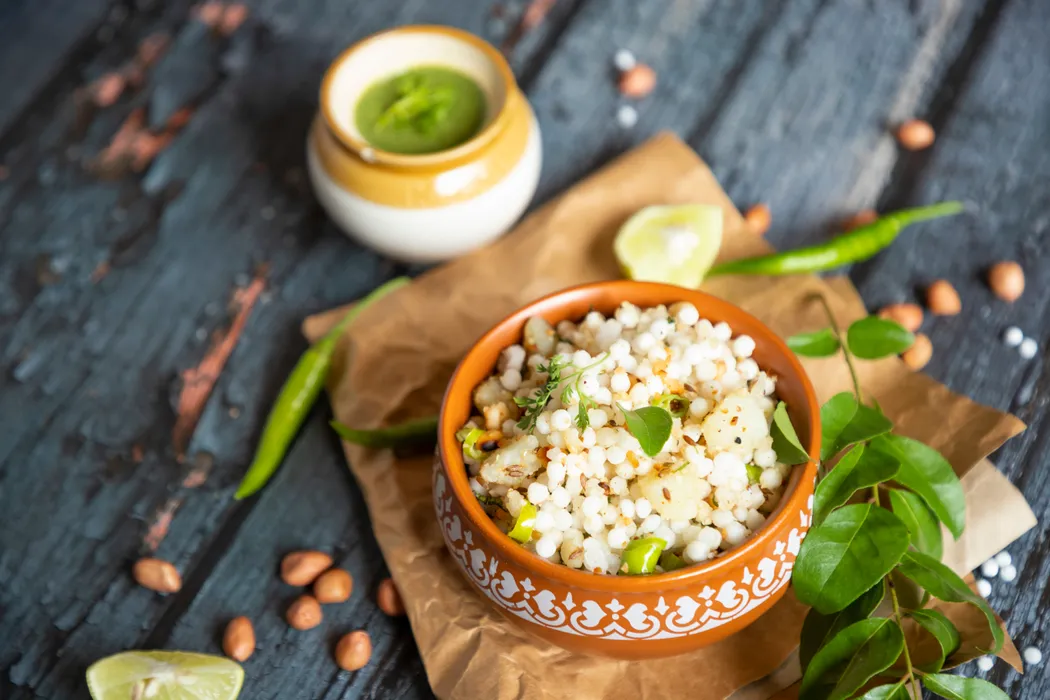
Health Benefits of Sabudana for Infants
While it may not be a nutrient-dense food on its own, sabudana offers specific nutritional benefits that can make it a useful part of a varied complementary diet.
1. Provides an Energy Boost
Babies grow rapidly and require energy to support their physical development and daily activity. Because sabudana is rich in carbohydrates, it can provide energy as part of a balanced diet.
2. Gentle on the Digestive System
Sabudana is low in fibre and consists primarily of starch. When thoroughly cooked and prepared into a smooth consistency, it can be easy for babies to manage. However, it should not be relied on as a treatment for digestive problems such as diarrhoea.
3. Naturally Gluten-Free
Sabudana is naturally gluten-free because it is made from cassava starch. This makes it suitable for babies who are following a gluten-free diet. However, being gluten-free does not mean that sabudana is completely free from allergy risk, and any new food should be introduced appropriately and monitored for reactions.
4. Can Provide Energy for Healthy Growth
If your paediatrician has recommended increasing your baby's energy intake, sabudana can contribute carbohydrates and calories to meals. However, it should be combined with nutrient-dense foods rather than used as the main food for weight gain.
5. Traditional Cooling Properties
In traditional food practices, sabudana is sometimes described as having a cooling effect on the body and is commonly served during hot weather or periods of recovery. These are traditional beliefs rather than established medical effects, and sabudana should not be used as a treatment for fever or illness.