logo
0

Sebamed Newborn: pH-Balanced Baby Skincare Review

Explore our clinical review of Sebamed newborn skincare. Learn why pH 5.5 protects baby skin, key product benefits, safe routines, and paediatric advice.

article image

Dr. Mayank

Choosing the right products for a newborn's skin can feel overwhelming, especially when every label claims to be "gentle" or "safe." Sebamed newborn products stand out for a specific, science-backed reason: they are formulated to match the skin's natural acid mantle, the thin protective layer that keeps moisture in and irritants out. For parents navigating the first weeks with a new baby, understanding why pH balance matters can make the difference between a product that supports skin health and one that quietly disrupts it.

A newborn's skin is not just thinner than adult skin; it is still developing its protective functions. The acid mantle, which maintains a slightly acidic pH around 5.5, takes several weeks to fully establish after birth. Cleansers, lotions, and shampoos that are too alkaline can strip this barrier, leading to dryness, irritation, and higher vulnerability to infection. That context matters a great deal when reviewing any skincare range designed for babies.

What Makes Sebamed Newborn Products Different

Most conventional soaps and body washes have a pH between 9 and 11, which is quite alkaline. Using these on newborn skin, even briefly, can disrupt the acid mantle and compromise the skin's natural defence. pH-balanced cleansers formulated at 5.5 work with the skin's chemistry rather than against it.

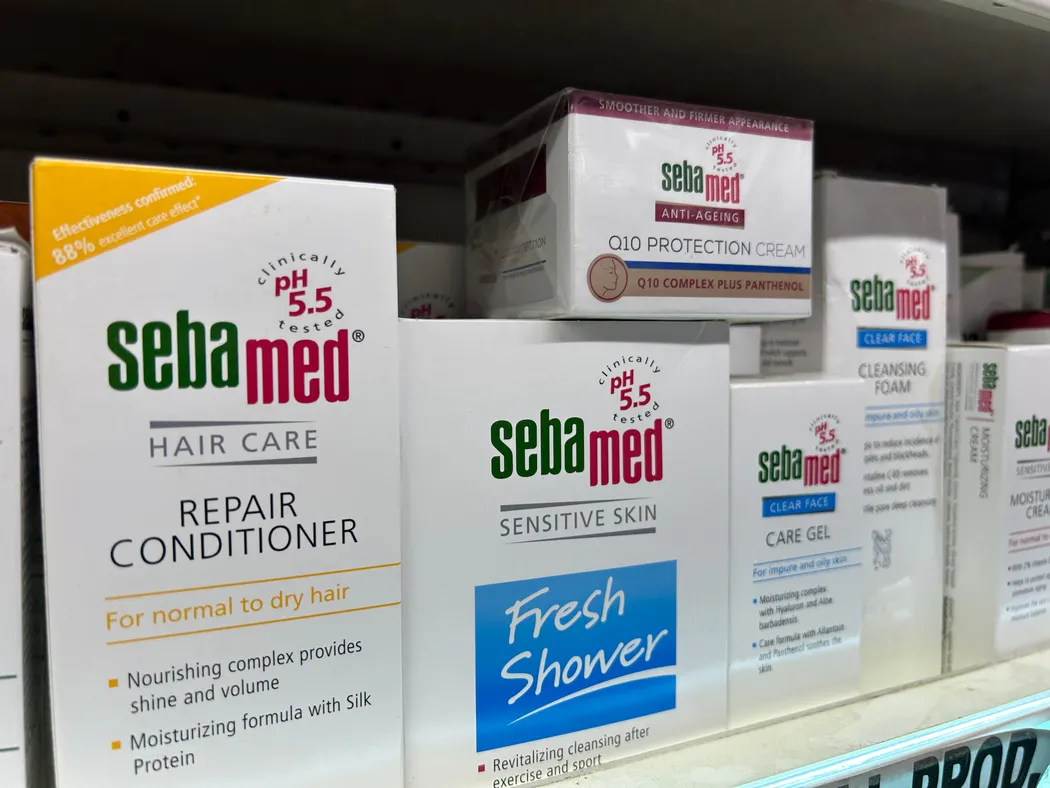
Sebamed baby products are built around this pH 5.5 principle. Every product in the range is formulated to match the target pH of healthy infant skin, which helps preserve the acid mantle during cleansing and moisturising. This makes them different from many "baby-branded" products that are simply diluted versions of regular formulas without any particular attention to pH.

The formulations are also generally free from soap (in the traditional alkaline sense), parabens, and synthetic dyes, though parents should always read the specific product label since formulations can vary and may be updated.

Key Products in the Sebamed Newborn Range

The core range covers the main steps of a newborn skincare routine:

  • Sebamed Baby Wash Extra Soft: A gentle, pH 5.5 body wash suitable for daily cleansing without stripping moisture. It is designed to rinse clean without leaving residue that might irritate sensitive folds of skin.
  • Sebamed Baby Lotion: A lightweight, fast-absorbing moisturiser for use after bathing, noted for its non-greasy texture that makes application practical for squirmy newborns.
  • Sebamed Baby Shampoo: Formulated to be mild enough for the delicate scalp, often used to manage cradle cap alongside regular gentle combing.
  • Sebamed Baby Cleansing Bar: Sometimes described as a pH 5.5 baby soap, though technically a syndet bar (synthetic detergent) rather than traditional alkaline soap, which keeps its pH in the safe zone.
  • Sebamed Baby Cream: A richer option for areas prone to dryness, such as elbows and cheeks during dry weather.

Each of these newborn skincare products addresses a specific need. Parents do not need to use the entire range from day one; starting with a wash and a lotion covers most of the basics.

How to Use Sebamed Products in a Newborn Skincare Routine

A simple, consistent routine works better for newborns than an elaborate one. Here is a practical sequence:

  • During the bath: Use a small amount of the baby wash or cleansing bar, lathering gently on the body and rinsing thoroughly. For the scalp, a pea-sized amount of shampoo is enough. Newborns do not need a bath every day; two to three times a week is adequate for most babies in the early weeks, with a sponge clean for the face, neck folds, and nappy area on other days.
  • After the bath: Pat the skin dry rather than rubbing, then apply the baby lotion or cream while the skin is still slightly damp to lock in moisture. Pay attention to folds behind the knees, the neck, and the wrists where moisture tends to pool.
  • The Nappy Area: If a barrier cream is part of the routine, apply it last, after the lotion has been absorbed. A clean, dry nappy area reduces the risk of irritation and rash.

Before using any new product across the whole body, do a patch test. Apply a small amount to the inner forearm or behind the ear, wait 24 hours, and check for redness or swelling. This is especially important for babies with a family history of eczema or allergies.

Who Should Avoid or Use With Caution

Sebamed baby products are designed for healthy, intact newborn skin. There are situations where extra caution or a pause in use is appropriate:

  • Known Ingredient Allergies: Babies with a known allergy to any ingredient listed on the product label should not use that product. Always read the full ingredient list, not just the front-panel claims.
  • Broken or Inflamed Skin: Broken, infected, weeping, or inflamed skin is not the right situation for introducing any new cosmetic product. Consult a paediatrician before applying anything to compromised skin.
  • Diagnosed Skin Conditions: If your baby has been diagnosed with a skin condition such as eczema, ichthyosis, or neonatal skin disorders, get specific guidance from a dermatologist or paediatrician before starting any skincare range, including this one.
  • Premature Infants: Premature babies have even more fragile skin and different needs. Standard newborn product ranges may not be appropriate without medical advice.

This is a contraindications overview, not an exhaustive list. When in doubt, your child's doctor is the right person to ask.

Precautions and When to Consult a Doctor

A few practical safety points worth keeping in mind:

  • Eye Safety: Avoid contact with the eyes. If any product gets into the eyes, rinse gently with clean water and monitor for continued irritation.
  • Product Storage: Store products at room temperature, away from direct sunlight, and always check the expiry date before use.
  • Child Safety: Keep all products out of reach of older children to prevent accidental ingestion.
  • Persistent Rash or Reactions: If a skin rash or reaction appears and does not improve within 48 hours of stopping the product, consult a paediatrician. A rash that spreads, blisters, or is accompanied by fever needs prompt medical attention.
  • Accidental Ingestion: If a child accidentally swallows any skincare product, contact a Poison Control Centre or go to the nearest emergency facility immediately.

Report adverse events to your healthcare provider or the relevant regulatory authority.

For any minor skin breaks or scratches that occur during routine care, Apollo's resource on treating minor cuts and wounds offers safe first-aid guidance.

Conclusion

Caring for a newborn’s fragile skin requires a gentle, minimalist approach grounded in skin biology. Because an infant's protective acid mantle takes several weeks to fully mature after birth, avoiding harsh, alkaline soaps and using pH 5.5-balanced formulations such as the Sebamed newborn range provides valuable support for the skin's natural barrier function and hydration levels. However, an effective skincare routine is defined by simplicity rather than excess. Cleansing two to three times a week is sufficient for most infants, and applying a lightweight lotion to slightly damp skin helps seal in essential moisture without causing pore congestion. Always conduct a 24-hour patch test before introducing any new formulation, and avoid applying commercial products to broken, weeping, or infected skin. If your baby exhibits spreading rashes, persistent irritation, or signs of an underlying dermatological condition like eczema, seek timely evaluation from a paediatrician or paediatric dermatologist.

FAQS

Is Sebamed good for newborn skin?

Sebamed newborn products are formulated at pH 5.5, which aligns with the skin's natural acid mantle and is generally considered gentle for healthy newborn skin. Most parents and dermatologists find them a reasonable option, though a patch test and paediatrician check are always advisable before full use.

What is the pH of Sebamed baby products?

The entire Sebamed baby range is formulated at pH 5.5, matching the target pH of healthy infant skin. This distinguishes them from conventional soaps, which are typically far more alkaline.

Can Sebamed be used daily on newborns?

The baby lotion and cream can generally be used daily, but bathing two to three times a week is sufficient for most newborns. Using the wash more frequently than needed is not necessary and may not add any benefit.

Is Sebamed soap or wash better for newborns?

The baby wash (liquid format) is often easier to control in terms of quantity and rinses off cleanly, making it practical for newborns. The syndet cleansing bar is also pH 5.5 and works well, but the liquid wash is typically preferred for very young infants.

Are Sebamed products dermatologist tested?

Sebamed states that its products are dermatologically tested, which means they have undergone testing with dermatologist oversight. However, "dermatologist tested" does not mean "clinically proven to treat any skin condition," so parents should interpret the claim accordingly.

Apollo 247 Floating Action Button