logo
0

SG Urine Test: Understanding Specific Gravity in Women

What does the SG urine test measure? Learn normal ranges, causes of high/low specific gravity, and when women should see a doctor.

article image

Dr.Mayank

A urine test result can feel confusing when you see abbreviations like "SG" without any explanation. The SG urine test measures how concentrated or dilute your urine is. It is a routine part of urinalysis and can provide information about hydration and the kidneys' ability to concentrate or dilute urine, but it is not a standalone test of kidney function. For women, the result may be useful when interpreted alongside other urinalysis findings, symptoms and clinical history.

What Is the SG Urine Test?

Specific gravity is a measure of urine density compared with pure water. Water has a specific gravity of 1.000. Because urine normally contains dissolved substances such as electrolytes and waste products, its specific gravity is usually higher than that of pure water. Very dilute urine can, however, have a value close to 1.000. What does urine specific gravity mean in practical terms? It tells your doctor how effectively your kidneys are adjusting urine concentration in response to your body's needs.

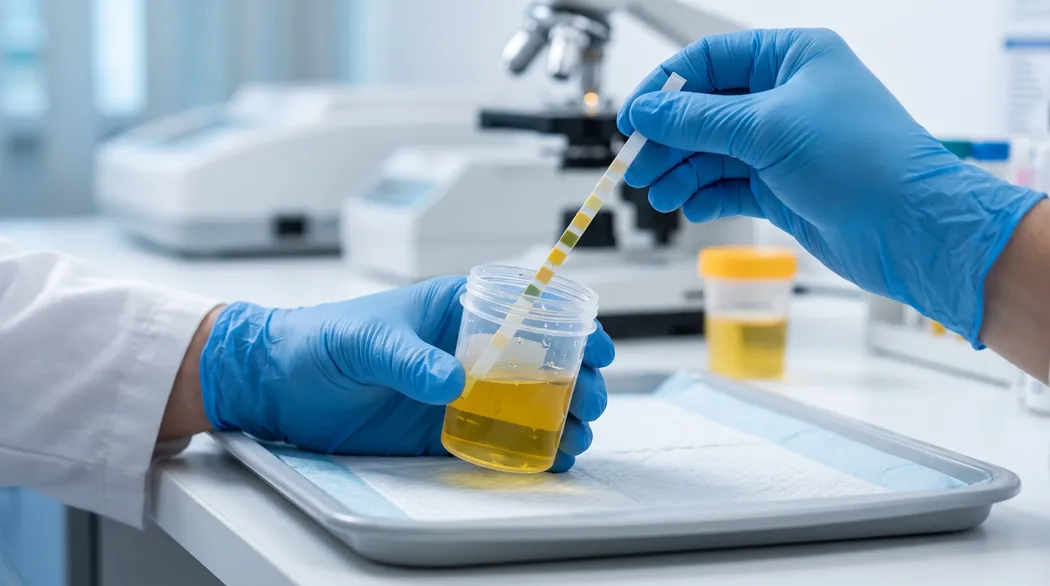
The sg urine test is performed as part of a routine urinalysis. A technician uses following methods:

  • Reagent Strip Method: Specific gravity can be estimated using a urine reagent strip that changes colour based on the ionic concentration of the urine.
  • Refractometry Method: A refractometer measures the refractive index of the urine to determine its specific gravity.
  • Automated Urinalysis Method: Automated urine analysers can measure specific gravity as part of a routine urinalysis, depending on the laboratory equipment and analyser used.

The result reflects how well your kidneys are concentrating or diluting urine at that particular moment. It is a snapshot, not a permanent measurement, and can shift significantly from morning to afternoon based on what you have eaten or drunk.

Understanding Your Urinalysis: The SG Result in Context

A full urinalysis test explained to most patients includes several components: pH, protein, glucose, blood, white blood cells, and specific gravity. The SG reading does not stand alone. Doctors interpret it alongside the rest of the urinalysis panel, your symptoms, and your hydration status at the time of collection. This combined picture is what makes the test genuinely useful.

Normal SG Urine Test Range

A commonly cited adult urine specific gravity range is approximately 1.005 to 1.030, although reference ranges can vary between laboratories. Always interpret your result using the reference range provided on your laboratory report. Urine concentration can vary throughout the day. First-morning urine is often more concentrated because there has been a longer period without fluid intake, although the actual SG depends on hydration and other factors. Urine collected later in the day after adequate fluid intake tends to be more dilute.

Results can vary slightly between laboratories, so always interpret your value alongside the reference range printed on your report. A result just outside the normal band is not automatically cause for alarm. Your doctor will consider it in the context of your symptoms and other urinalysis findings.

What Causes High Specific Gravity?

High specific gravity in urine means the kidneys are releasing more concentrated urine than usual. Common causes include:

  • Dehydration from inadequate fluid intake, fever, vomiting, or diarrhoea
  • Uncontrolled diabetes mellitus, where excess glucose spills into the urine and raises its density
  • Significant protein in the urine (proteinuria), which adds to the solute load
  • Heart failure or liver disease affecting fluid distribution in the body

A high reading caused by temporary fluid loss may return towards the usual range when hydration is restored. However, persistent abnormalities should be discussed with a healthcare professional. Persistently high readings, particularly when accompanied by swelling, foamy urine, or reduced urine output, need medical evaluation.

What Causes Low Specific Gravity?

Low specific gravity urine causes relate to the kidneys producing overly dilute urine. This happens when:

  • Fluid intake is very high, flushing solutes out quickly
  • Persistently reduced urine-concentrating ability can occur with
  • some kidney disorders, including chronic kidney disease.
  • Diabetes insipidus is present, a condition where the hormone that signals the kidneys to retain water (antidiuretic hormone) is deficient or ineffective
  • Certain medications affect kidney concentration ability

A very low specific gravity, below 1.003, that persists across multiple tests, especially alongside excessive thirst and very frequent urination, warrants prompt investigation.

SG Urine Test in Women: Pregnancy and UTIs

The urine sg test in pregnancy is part of routine antenatal monitoring for good reason. During pregnancy, blood volume increases and kidney filtration rises, so urine specific gravity tends to run slightly lower than in non-pregnant women. However, pregnancy also brings risks that make the test especially useful.

  • Preeclampsia monitoring: During pregnancy, healthcare professionals monitor blood pressure and urine findings, including protein, as part of antenatal care. High blood pressure together with proteinuria or other signs of maternal organ involvement may indicate preeclampsia. Specific gravity itself does not diagnose preeclampsia.
  • Hydration guidance: Pregnant women need adequate fluids to support foetal circulation. A consistently high SG may prompt a midwife or obstetrician to advise increased fluid intake.
  • UTI detection: Women are more prone to urinary tract infections because of their shorter urethra, and pregnancy increases this risk further. Urinalysis can provide evidence of a UTI through findings such as white blood cells, leukocyte esterase or nitrites. Symptoms and, when indicated, urine culture help confirm the diagnosis and guide treatment. Specific gravity mainly indicates urine concentration and does not diagnose a UTI.

Outside pregnancy, the sg urine test is a standard part of investigating suspected UTIs, recurrent infections, and kidney stones, all conditions that are more common in women than in men.

Contraindications and Precautions

There are no contraindications to the sg urine test itself. Providing a urine sample carries no physical risk. However, a few factors can skew the result:

  • Menstrual blood in the sample can artificially raise readings and interfere with other urinalysis components. If you are menstruating, wait until your period ends if possible, or use a tampon and clean-catch technique as directed by the lab.
  • Iodinated contrast dye used in imaging scans can temporarily elevate specific gravity for 24 to 48 hours after the procedure.
  • Some medications, high-protein diets, and intravenous fluids can affect readings.
  • A highly alkaline urine sample may cause the dipstick method to underestimate specific gravity.

Always collect a midstream, clean-catch sample unless instructed otherwise, and inform the laboratory of any recent procedures or medications.

When to See a Doctor About Abnormal Results

A mildly abnormal SG on a single test, with no symptoms, is rarely an emergency. But certain situations call for prompt attention:

  • Very high SG (above 1.030) with reduced urine output, dark urine, or swelling
  • Very low SG (below 1.003) with extreme thirst, large volumes of pale urine, or unexplained fatigue
  • Abnormal SG combined with protein, blood, or glucose in the urine on the same report
  • Any abnormal result during pregnancy

If you have been advised to take any medication based on your urinalysis results, follow your doctor's guidance precisely. Report adverse events to your healthcare provider or the relevant regulatory authority.

Do not adjust your fluid intake, diet, or any prescribed treatment based on an SG result alone without speaking to a doctor first.

Conclusion

The SG urine test shows how concentrated or dilute your urine is and can provide useful information when interpreted with other urinalysis findings. An abnormal result does not necessarily indicate a health problem, but persistent changes or other symptoms should be discussed with a healthcare professional. Your doctor can determine whether further testing is needed based on your overall health and clinical history.

FAQS

What does SG mean in a urine test report?

SG stands for specific gravity. It measures how concentrated your urine is compared with pure water, giving your doctor information about how well your kidneys are managing fluid balance.

What is the normal range of specific gravity in urine?

The specific gravity urine test normal range for adults is generally 1.005 to 1.030. Most healthy readings fall between 1.010 and 1.025, depending on hydration and time of day.

Can dehydration affect urine specific gravity?

Yes, dehydration is one of the most common reasons for a high specific gravity result. When you are not drinking enough fluids, your kidneys concentrate urine to conserve water, pushing the SG reading higher.

Does urine specific gravity indicate kidney problems?

It can. Persistently high or low SG readings, especially when paired with other abnormal urinalysis findings, may point to conditions ranging from early chronic kidney disease to diabetes insipidus. A single abnormal reading rarely confirms a diagnosis on its own.
How is the SG urine test done?

You provide a midstream urine sample in a sterile container. The laboratory then measures specific gravity using a dipstick, refractometer, or automated analyser. The process takes only a few minutes and requires no needles or special preparation.

Apollo 247 Floating Action Button