logo
0

Should Diapers Be Used for a Newborn? A Complete Guide

Find out whether newborns should wear diapers from birth, how often to change them, how to prevent diaper rash and care for the umbilical cord.

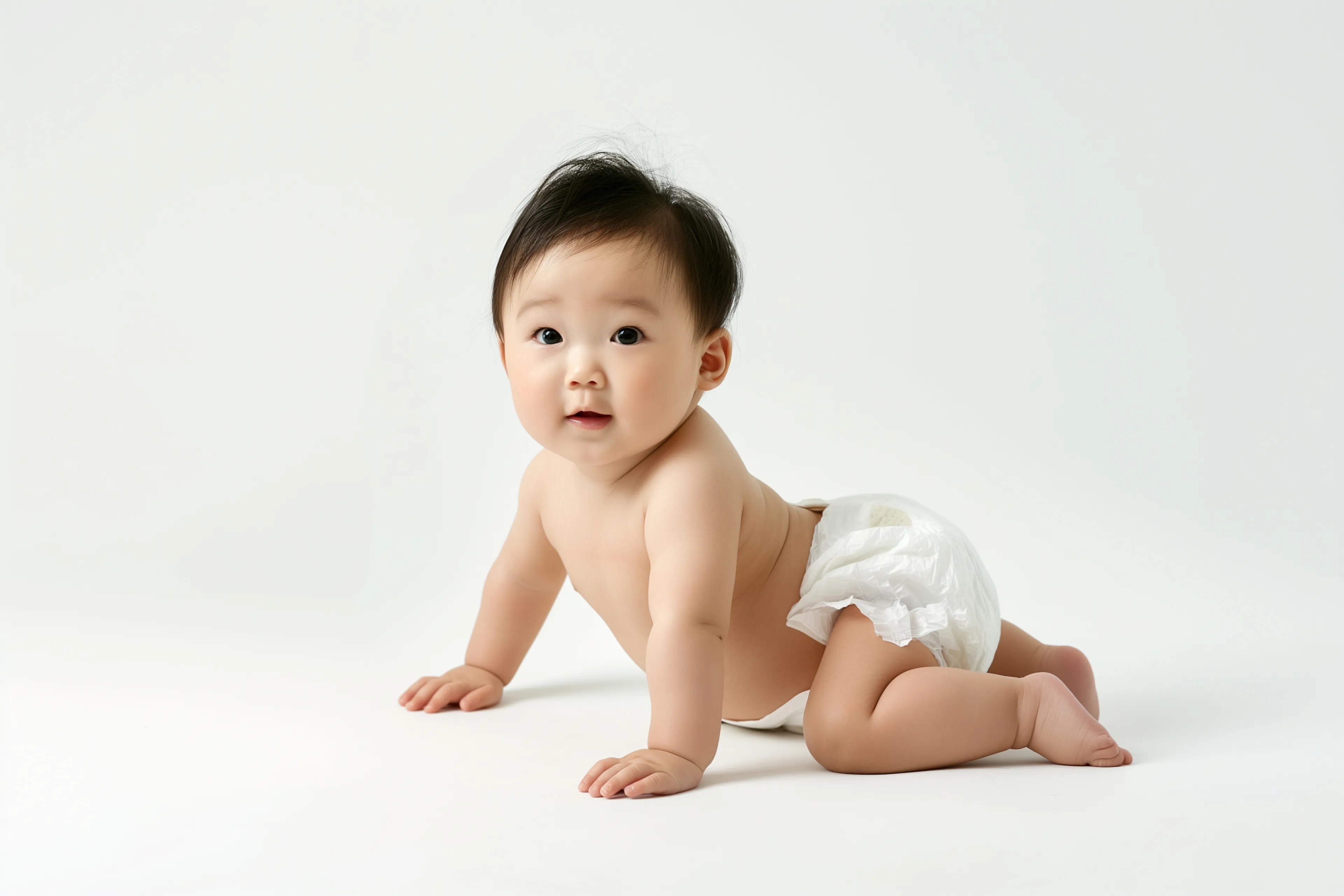
article image

Dr.Kamran

Deciding how to care for your newborn in the first days can feel overwhelming. One practical question almost every parent asks is: should diapers be used for a newborn right from birth? For most healthy babies, the answer is yes, from the very first day, and this newborn diapering guide explains why, how often to change them, and how to keep your baby's skin healthy from the start.

Should You Use Diapers for a Newborn?

For healthy newborns, diapers can be used from birth. Babies pass urine and stool frequently, and diapers help contain waste while making routine hygiene easier. Prolonged contact with urine or stool can contribute to skin irritation and diaper dermatitis.

Knowing when to start using diapers on a newborn is straightforward in most cases: they can be used from the first day of life. Diapering is a standard part of newborn care because it helps contain waste and makes it easier for parents to monitor urine and stool output, which can provide useful information about feeding and hydration.

Rare exceptions, such as certain skin conditions present at birth, should be discussed with your doctor before choosing any diaper product.

Why Do Diapers Matter for Newborn Hygiene and Skin Health?

A newborn's skin is more delicate than that of an older child and can be more susceptible to irritation from moisture, friction and contact with urine or stool.

In the first few days, your baby passes meconium, a thick, sticky, dark greenish-black first stool. Neonatal care references describe meconium as particularly sticky and difficult to clean from the skin compared with later stools. A well-fitted diaper contains it effectively and limits the area that needs cleaning each time.

Diapers can also make routine care easier during sleep and feeding. However, a diaper should not be used to delay necessary changes. Wet or soiled diapers should be changed regularly to help keep the skin clean and dry.

Types of Diapers: Cloth vs Disposable for Newborns

Both cloth and disposable diapers can be used for newborns. The choice between cloth and disposable diapers for newborns depends on your preferences, washing routine, cost and convenience.

FeatureDisposableCloth
AbsorbencyGenerally highVaries by fabric and design
Cord notchOften available in some newborn designsUsually requires positioning below the cord
Cost over timeHigher ongoing spendHigher upfront, potentially lower long-term
Environmental impactMore disposable wasteReusable, but requires water and energy for washing
ConvenienceHighRequires washing and drying
ChangesRegular changes still neededMay require more frequent changes depending on absorbency

Neither option is universally better. If you choose cloth, follow the manufacturer's washing and care instructions and change the diaper whenever it becomes wet or soiled. With disposables, choose a size and design that fits your baby comfortably. Consistent changing and appropriate skin care matter more than choosing one material over another.

How Often Should You Change a Newborn's Diaper?

Newborns need frequent diaper changes because they urinate and pass stool often. The American Academy of Pediatrics notes that babies may need around 8 to 12 diaper changes a day, although the exact number varies from baby to baby.

Change the diaper:

  • When it is wet or noticeably soiled
  • As soon as possible after a bowel movement
  • When your baby appears uncomfortable
  • Whenever the diaper becomes heavily saturated or begins leaking

You do not need to follow a rigid schedule or change the diaper automatically after every feed if it is clean and dry. Checking the diaper during feeds and other routine care can help you recognise when a change is needed.

Prompt changing is an important part of newborn diaper rash prevention because prolonged exposure to urine and stool can contribute to skin irritation.

Healthy Diapering Practices from Birth

Getting the technique right from the start can help protect your baby's skin and keep routine changes comfortable.

  • Cleaning: Clean the diaper area gently using water and a soft cloth or suitable fragrance-free, alcohol-free wipes. For girls, wipe from front to back to reduce the transfer of bacteria towards the urinary opening.
  • Drying: Pat the area dry rather than rubbing. Allow the skin to dry naturally before fastening the fresh diaper when practical. There is no established requirement for a specific 30- to 60-second air-drying period.
  • Barrier cream: A suitable barrier preparation containing zinc oxide or petrolatum can help protect the skin from moisture and irritation. The American Academy of Pediatrics identifies these ingredients as commonly used barrier options for diaper-area care. Follow the product instructions and your paediatrician's advice, particularly for very young or premature babies.
  • Umbilical cord care: Fold the front of a taped diaper down below the cord stump until it falls off and the area heals. The American Academy of Pediatrics recommends keeping the stump clean and dry and avoiding covering it with the diaper. The stump commonly separates within one to three weeks. For more on this, read how to care for a newborn's belly button during diapering.
  • Fit: The diaper should fit securely around the waist and legs without digging into the skin or leaving obvious gaps. There is no universal two-finger rule, so follow the manufacturer's fit guidance and look for signs of excessive tightness or leakage.

Diaper Rash: Prevention and When to See a Doctor

Signs of diaper rash in babies include redness, irritation or soreness on the bottom, inner thighs or genital area. Many mild cases improve within a few days with appropriate care. The American Academy of Pediatrics recommends medical advice if a rash is not improving after two to three days of treatment or is becoming worse.

Prevention steps:

  • Change diapers regularly and promptly after bowel movements.
  • Clean gently and allow the skin to dry before putting on a fresh diaper.
  • Use an appropriate barrier preparation if your baby's skin is prone to irritation.
  • Allow some diaper-free time when practical, particularly if the skin is irritated.

See a paediatrician if:

  • The rash spreads, becomes significantly inflamed or develops blisters or open sores.
  • Small red spots appear around the main area of redness. These can occur with Candida diaper dermatitis and may require specific treatment.
  • Yellow crusting, pus or other concerning discharge appears.
  • Your baby has a fever alongside the rash.
  • There is no improvement after two to three days of appropriate home care.

Report adverse events, including unexpected skin reactions to any diaper product, to your healthcare provider or the relevant regulatory authority.

Contraindications and When to Avoid Certain Diaper Products

Standard diapering is appropriate for most healthy newborns. However, certain products need caution or medical guidance first:

  • Broken or bleeding skin: Do not apply medicated or unfamiliar products without medical advice.
  • Known allergy or sensitivity: If your baby develops a reaction after using a particular diaper, wipe or cream, stop using the suspected product and discuss alternatives with your paediatrician.
  • Active skin infection: A doctor should assess suspected bacterial or fungal infections. Do not assume that a barrier cream alone will treat an infection.
  • Talcum powder: Avoid talcum powder in the diaper area. The American Academy of Pediatrics advises against baby powder because inhaling powder can cause respiratory problems.

If you notice any unexpected reaction to a diaper product, stop using the suspected product and seek medical advice if the reaction is significant or persistent.

Conclusion

Diapers can be used safely for most healthy newborns from the first day of life. The key is not following a rigid changing schedule but checking regularly and changing the diaper when it becomes wet or soiled. Choosing a comfortable fit, keeping the diaper area clean and dry, protecting the skin with an appropriate barrier preparation when needed, and keeping the umbilical stump clear can make newborn diapering a simple part of everyday care.

FAQS

From what age should a baby start wearing diapers?

Most healthy babies can start wearing diapers from birth. Diapering is routinely used during the newborn period to contain urine and stool and support everyday hygiene. In rare cases involving specific skin conditions, your paediatrician can advise on the safest option for your baby.

Can newborns sleep in diapers all night?

Newborns can sleep in a diaper, but the diaper should be checked regularly and changed when it becomes wet or soiled. A soiled diaper should be changed promptly because prolonged contact with stool can irritate the skin.

Is it safe to use diaper rash cream on a newborn?

Barrier preparations containing zinc oxide or petrolatum are commonly used to protect newborn skin from moisture and irritation. Use a suitable product according to its instructions and check with your paediatrician if you are unsure whether a particular product is appropriate for your baby.

How many diapers does a newborn use per day?

Newborns may need around 8 to 12 diaper changes a day, according to the American Academy of Pediatrics. The actual number varies depending on how often your baby urinates and passes stool.

What size diaper is right for a newborn?

Many major diaper brands offer a Newborn or NB size, but the weight range varies between manufacturers and products. Check the manufacturer's current size chart and choose the size that fits your baby's weight and body shape. Premature or very small babies may need a specially sized diaper.

Apollo 247 Floating Action Button