logo
0

Similac Advance Guide: Which Formula Fits Which Stage?

Compare Similac Advance with other Similac formula stages, including key differences, nutritional features, preparation guidance, safety precautions, and suitability by age.

article image

Dr. Nallapu Siri

Choosing an infant formula can feel overwhelming when brand names, stage numbers, and ingredient lists blur together. Similac Advance is one of the most widely recognised infant formula milk powder options available in India, and understanding where it fits within the broader Similac range helps parents make a more confident choice for their baby.

What Is Similac Advance and Who Is It For?

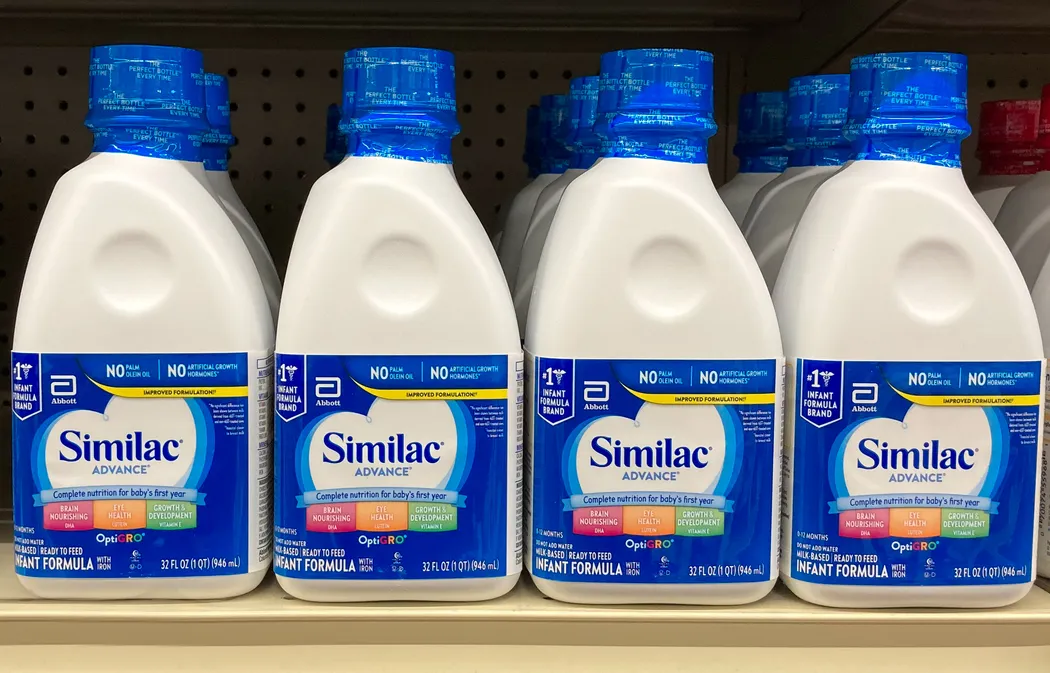
Similac Advance is a bovine milk-based infant formula designed to provide structured nutrition for babies who are not breastfed, or who require supplementary feeding under medical advice. It belongs to the category of infant formula, which is a regulated nutritional substitute under the Infant Milk Substitutes (IMS) Act rather than a medicine. The base ingredients comprise cow's milk protein, lactose, a vegetable oil blend, and added micronutrients calibrated for infants during the first year of life.

Key clinical considerations for parents:

  • Paediatric supervision: Similac Advance is formulated for infants from birth under paediatrician guidance, which is particularly critical during the first few weeks of life.
  • Breastfeeding primacy: Formula does not replace breast milk. The World Health Organization (WHO), Indian Council of Medical Research (ICMR-NIN), and the Ministry of Health and Family Welfare (MoHFW) recommend exclusive breastfeeding for the first 6 months wherever possible.
  • Pre-initiation review: If considering formula feeding for a newborn, speak with your paediatrician before starting, especially if there is an atopic family history or feeding difficulty.

Similac Advance vs Similac Gold: Key Differences

Similac Advance and Similac Gold are distinct formulations within the same product family. They are not the same product, and the differences matter when selecting the right fit.

FeatureSimilac AdvanceSimilac Gold
Protein BaseCow's milk-derived whey and caseinCow's milk-derived whey and casein
HMO contentAbsent or limited depending on regional variantFormulated with added HMOs (such as 2'-FL)
Intended RoleStandard infant nutritional supportPremium formulation designed to closely mimic human milk bioactives
Stage availabilityStage 1 (0–6m) and Stage 2 (6–12m)Stage 1 (0–6m) and Stage 2 (6–12m)
Accessibility & CostBroadly accessible at standard price pointPremium price point

Human Milk Oligosaccharides (HMOs) are complex prebiotic sugars naturally abundant in human breast milk. They nourish beneficial gut microbiota (such as Bifidobacteria) and support developing immune defences by acting as soluble decoy receptors against pathogens.

Neither formulation is universally superior for every infant. The most appropriate choice is the one recommended by your paediatrician based on your infant's gastrointestinal tolerance and growth trajectory.

Stage-Specific Similac Nutrition: Stage 1, 2, 3 Explained

Infant formula brands use a staged system to reflect the evolving digestive capacity and metabolic demands of a growing infant:

  • Stage 1 (0 to 6 months): Designed for newborns and young infants. Protein ratios and nutrient levels are calibrated for an immature digestive system. This is typically the starting formula for babies not exclusively breastfed from birth.
  • Stage 2 (6 to 12 months): Formulated for older infants beginning solid foods. Nutrient levels, particularly iron, are adjusted to complement weaning and a diversifying diet.
  • Stage 3 (12 months and above): Often called a follow-on or toddler formula, Stage 3 products are growing-up milks rather than infant formulas in the strict regulatory sense. They are intended for toddlers already eating a varied diet.

Always allow your paediatrician to guide when to transition between stages. Introducing a higher stage prematurely can place excessive renal solute load and protein strain on an infant's immature kidneys.

How to Prepare and Store Infant Formula Safely

Preparing powdered infant formula with strict hygiene prevents bacterial infections such as Cronobacter sakazakii or Salmonella enterica, which can cause severe systemic illness in young infants.

Preparing a feed:

  • Hand hygiene: Wash hands thoroughly with soap and clean running water before handling feeding equipment.
  • Equipment sterilisation: Clean and sterilise the feeding bottle, teat, collar, and cap by boiling for 10 minutes or using an electric steam steriliser.
  • 70°C water safety rule: Boil fresh drinking water and allow it to cool to no less than 70°C before mixing. Water at this temperature destroys potential pathogenic bacteria in the non-sterile powder without degrading core nutrients. Do not use lukewarm or unboiled room-temperature water.
  • Level scoop measurement: Use only the enclosed scoop provided in the tin. Level each scoop with a clean knife; never pack down or heap the powder.
  • Proper dilution sequence: Always pour the measured volume of 70°C water into the sterile bottle before adding the powder to maintain correct dilution and electrolyte balance.
  • Cooling before feeding: Seal the bottle, shake gently until dissolved, and cool rapidly to body temperature under cold running water. Test a drop on your inner wrist before feeding.

Storage guidelines:

  • Room temperature limit: Prepared formula kept at room temperature must be consumed or discarded within 1 hour of reconstitution.
  • Refrigeration timeline: Freshly mixed formula that has not touched infant saliva can be refrigerated at 4°C or lower for up to 24 hours.
  • Discard feed remnants: Never save or reheat formula remaining in the bottle after a feed has commenced; oral bacteria from infant saliva rapidly contaminate milk.
  • Tin shelf-life: Keep opened tins tightly closed in a cool, dry place (never in the refrigerator) and discard any remaining powder within 4 weeks of opening.

Contraindications and When Not to Use Similac

Standard cow's milk-based infant formulas, including Similac Advance, are not suitable for every baby. Be aware of these situations where use is contraindicated or needs medical review:

  • Galactosaemia: A rare, life-threatening metabolic disorder where the infant lacks the enzyme required to metabolise galactose (a component of lactose). Standard lactose-containing formulas are strictly contraindicated; infants require a specialised galactose-free medical formula.
  • Cow's milk protein allergy (CMPA): An immune-mediated reaction to bovine whey or casein. Symptoms include widespread atopic eczema, acute urticaria, projectile vomiting, chronic diarrhoea, and haematochezia (blood in stools). Infants with CMPA require an extensively hydrolysed or amino acid-based formula.
  • Lactose intolerance: Primary congenital lactase deficiency is extremely rare, but secondary transient lactose intolerance can follow severe bouts of infectious gastroenteritis, requiring temporary lactose-free nutrition.
  • Premature infants: Preterm infants (<37 weeks) have elevated demands for protein, calories, and bone minerals (calcium and phosphorus) that standard term formulas cannot support. They require specialised preterm post-discharge formulas under neonatologist supervision.

Prescribing and Safety Information

  • Regulatory classification: Similac Advance is an infant milk substitute, not a medicinal drug, but initiating or altering formula should always follow clinical advice from a paediatrician.
  • Adverse event reporting: Report any adverse events, such as persistent digestive distress, allergic reactions, or unexpected illness, to your healthcare provider and the relevant regulatory authority.
  • Breastfeeding primacy: Breast milk remains the natural and optimal choice for infant nutrition. Formula should be used only when breastfeeding is not possible, insufficient, or medically contraindicated.

Conclusion

While breast milk remains the gold standard and irreplaceable first choice for infant nutrition, formulas such as Similac Advance and Similac Gold offer structured, scientifically calibrated nourishment when exclusive breastfeeding is not possible or requires supplementation. Selecting the appropriate stage, from lower-protein formulations for newborns to iron-fortified options during weaning, ensures your baby's nutritional requirements are met without placing unnecessary strain on developing kidneys. Whichever formula you use, strict adherence to hygienic bottle preparation, the 70°C water safety rule, and proper storage is essential to prevent contamination. Always consult your paediatrician before starting, switching, or transitioning between formula stages to ensure each choice supports your baby's unique growth trajectory and digestive comfort.

FAQS

Can I switch between Similac Advance and Similac Gold?

Switching between Similac Advance and Similac Gold is possible, but always check with your paediatrician first. Some babies transition without difficulty, while others may need a gradual changeover to avoid digestive upset.
Is Similac Advance suitable from birth?

Similac Advance Stage 1 is generally formulated for use from birth for babies who are not exclusively breastfed. Your paediatrician should confirm suitability based on your newborn's individual health and feeding needs.

Does Similac Advance cause constipation?

Some infants experience firmer stools when switching from breast milk to formula, which is common across most cow's milk-based formulas. If your baby seems uncomfortable or has infrequent, hard stools, speak to your paediatrician rather than changing formula on your own.

How long can prepared Similac formula be stored?

Prepared formula should be used within 1 hour at room temperature, or within 24 hours if refrigerated immediately after preparation. Always discard any formula left over after a feed.

What is the difference between Similac stages?

Similac stage 1 is designed for 0 to 6 months, stage 2 for 6 to 12 months, and stage 3 for toddlers from 12 months onwards. Each stage adjusts nutrient levels to match the baby's developmental needs at that age.

Apollo 247 Floating Action Button