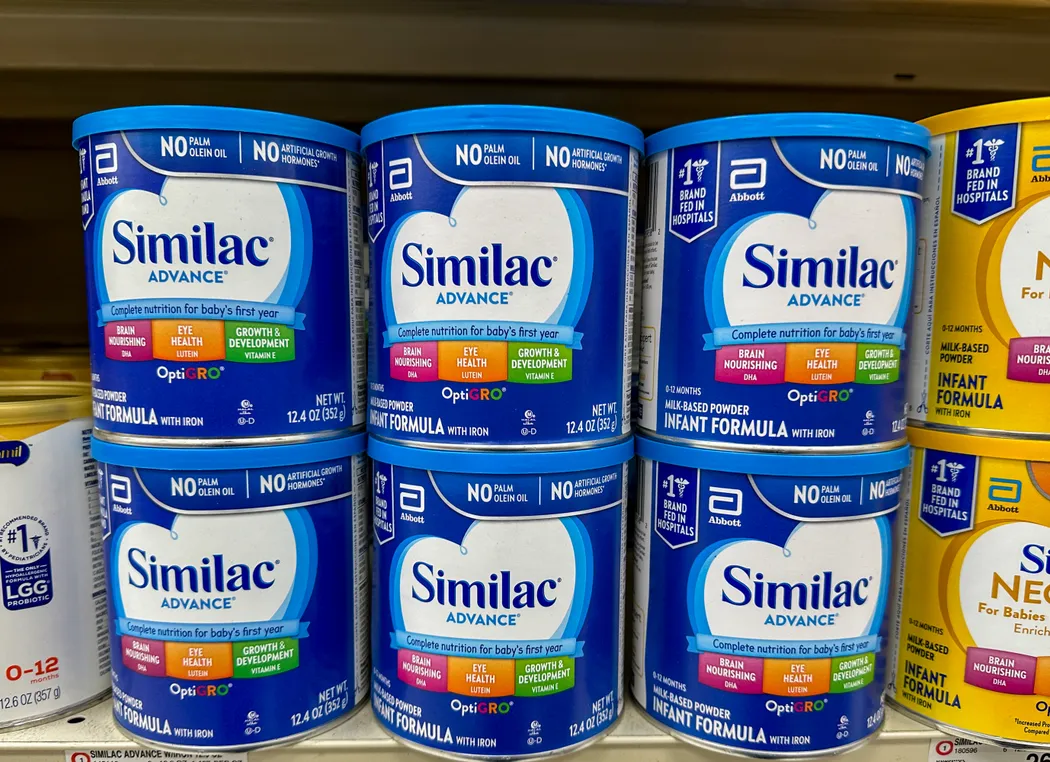
Similac Advance Stage 1: Full Product Line Comparison Guide
Similac Advance Stage 1: Full Product Line Comparison Guide
Compare Similac Advance Stage 1 with Similac Advance, Plus and Isomil. Explore age suitability, nutrition, ingredients, uses, preparation and safety considerations.
Choosing an infant formula can feel overwhelming when several products from the same brand have similar names. Similac Advance Stage 1 is intended for babies up to 6 months, while the wider Similac range includes follow-up formulas and specialised products for different nutritional needs. This infant formula milk comparison explains how the products differ and what to consider before choosing one for your baby.
Similac Advance Stage 1 is a cow's milk-based, iron-fortified infant formula intended for babies up to 6 months. Its listed ingredients include whole milk powder, lactose, vegetable oils, whey protein concentrate, butter oil, vitamins, minerals, nucleotides, taurine, L-carnitine and other ingredients.
Formula may be used when breastfeeding is not possible or when parents choose to combine breastfeeding with formula feeding. Breast milk remains the recommended source of nutrition for infants when breastfeeding is possible.
Similac Advance Stage 1 provides protein, fat and carbohydrate along with nutrients such as iron, calcium, phosphorus, zinc, iodine and vitamins A, C, D, E and K. It also contains choline, taurine, nucleotides and omega-3 and omega-6 fatty acids.
The formula uses a palm-olein-oil-free fat blend. Its listed vegetable oils include soy oil, high-oleic sunflower oil and coconut oil.
How Does the Similac Formula Range Differ?
The Similac range includes infant formulas for different ages as well as specialised products. The exact product range available can vary, so always check the age indication and instructions on the specific pack.
Similac product
Age indicated
Main nutritional or formulation feature
Similac Advance Stage 1
Up to 6 months
Cow's milk-based, iron-fortified infant formula
Similac Advance Stage 2
After 6 months
Cow's milk-based, iron-fortified follow-up formula
Similac Advance Stage 3
After 12 months
Follow-up formula
Similac Advance Stage 4
18 to 24 months
Follow-up formula
Similac Plus Stage 1
0 to 6 months
Cow's milk-based formula with DHA, ARA, FOS and lutein
Similac Plus Stage 2
6 to 12 months
Follow-up formula with DHA, ARA and other added nutrients
Similac Plus Stage 3
After 12 months
Follow-up formula
Similac Isomil
Up to 24 months
Soy-based, lactose-free formula
Similac Neosure
Birth to 12 months
Formula intended for premature babies
Similac Advance vs Stage 1: What Is the Difference?
Similac Advance Stage 1 is the first-stage product intended for babies up to 6 months. Similac Advance follow-up products are intended for older babies and children. They are different products for different age groups and should not be used interchangeably simply because they belong to the same range.
The transition to a follow-up formula should take into account your baby's age, complementary feeding, growth and individual nutritional needs.
What Is Similac Plus for Babies?
Similac Plus is a separate range with products for different stages. Similac Plus Stage 1 is intended for babies aged 0 to 6 months and contains DHA, ARA, FOS, lutein, nucleotides, vitamins and minerals. Similac Plus Stage 2 is intended for babies aged 6 to 12 months and also contains DHA, ARA and other nutrients.
The nutritional composition differs between stages. For example, Similac Plus Stage 1 provides 14.5 g of protein per 100 g of powder, while Stage 2 provides 14.7 g per 100 g. Stage 2 also has a different fat, carbohydrate, vitamin and mineral composition.
What Are the Similac Isomil Uses?
Similac Isomil is a soy-based, lactose-free formula intended for specialised infant feeding. It may be used in situations including lactose intolerance and certain cases involving cow's milk protein allergy or galactosaemia.
Its protein comes from soy protein isolate rather than cow's milk protein. It also contains a carbohydrate blend based on hydrolysed corn starch and sucrose.
Lactose intolerance and cow's milk protein allergy are different conditions. Symptoms such as diarrhoea, vomiting or changes in stools can have several causes, so a specialised formula should not be selected solely on the basis of symptoms.
What Are the Nutritional Benefits of Each Similac Variant?
The different Similac products are not nutritionally identical. Their formulations vary in protein sources, carbohydrates, fats and additional nutrients.
Product
Key nutritional characteristics
Similac Advance Stage 1
Milk proteins, lactose, vegetable oils, omega-3 and omega-6 fatty acids, iron, calcium, phosphorus, vitamins, choline, taurine and nucleotides
Similac Plus Stage 1
Milk proteins, lactose, DHA, ARA, FOS, lutein, omega-3 and omega-6 fatty acids, iron, calcium, vitamins, choline, taurine and nucleotides
Similac Plus Stage 2
Milk proteins, lactose, DHA, ARA, omega-3 and omega-6 fatty acids, iron, calcium, vitamins, choline, taurine and nucleotides, with a formulation designed for babies after 6 months
Similac Isomil
Soy protein isolate, hydrolysed corn starch, vegetable oils, vitamins and minerals, with no lactose
Similac Advance follow-up formulas
Products for older age groups with nutrient compositions appropriate to their respective stages
Similac Advance Stage 1 provides approximately 11.5 g of protein, 28.2 g of total fat and 55.4 g of carbohydrate per 100 g of powder. Similac Plus Stage 1 provides approximately 14.5 g of protein and 28.2 g of fat per 100 g, along with DHA, ARA, FOS and lutein.
Similac Plus Stage 2 provides approximately 14.7 g of protein, 20 g of fat and 56.81 g of carbohydrate per 100 g of powder, along with DHA, ARA, iron, calcium and other vitamins and minerals.
Similac Isomil provides approximately 13.2 g of protein, 27 g of fat and 50 g of carbohydrate per 100 g of powder. Its protein comes from soy protein isolate, and it is lactose-free.
These figures are product-specific and can change with reformulation. Use the nutrition panel on the particular pack when comparing products.
What Are the Similac Advance Ingredients?
The Similac Advance ingredients in Stage 1 include whole milk powder, lactose, soy oil, high-oleic sunflower oil, coconut oil, whey protein concentrate, butter oil, vitamins, minerals, soy lecithin, nucleotides, taurine, potassium citrate, mixed tocopherols and L-carnitine.
The formula also provides linoleic acid, an omega-6 fatty acid, and alpha-linolenic acid, an omega-3 fatty acid.
Similac Plus has additional ingredients that distinguish it from Similac Advance Stage 1, including DHA, ARA, FOS and lutein. Similac Isomil uses soy protein isolate and a lactose-free carbohydrate formulation instead.
How Do You Choose the Right Similac Formula?
The most appropriate formula depends on your baby's age, growth, feeding pattern and any diagnosed medical condition.
For Babies Up to 6 Months
Similac Advance Stage 1 and Similac Plus Stage 1 are examples of infant formulas intended for babies up to 6 months. They have different formulations, so they should not be considered identical simply because they have the same age indication.
For Babies After 6 Months
Follow-up formulas such as Similac Advance Stage 2 and Similac Plus Stage 2 are intended for babies after 6 months. Complementary foods should also be introduced around 6 months when the baby is developmentally ready.
For Babies With Specific Nutritional Needs
Some babies need a specialised formula because of prematurity, a diagnosed food allergy, lactose intolerance, galactosaemia or another medical condition.
Similac Isomil is a soy-based, lactose-free option for specific situations, while Similac Neosure is intended for premature babies. These products should be selected according to the baby's individual needs rather than simply because of symptoms such as gas, spit-up or fussiness.
Contraindications and Precautions
Not every formula is suitable for every baby. Standard cow's milk-based infant formulas should not be used in babies with a confirmed cow's milk protein allergy because they contain milk proteins. Babies with galactosaemia also require a specialised feeding plan because standard lactose-containing formulas are unsuitable.
Similac Advance Stage 1 should not be used as a routine formula for premature babies or infants who may have immune problems unless it has been specifically recommended and supervised by their doctor.
Similac Isomil is lactose-free and soy-based, but it should not be used in a baby with a known soy allergy. It may be considered in certain conditions, including lactose intolerance and galactosaemia, but the underlying diagnosis should be established before changing formula.
A soy formula should not automatically be used as a substitute for a standard formula in a baby with suspected cow's milk protein allergy. Some babies with cow's milk protein allergy may also react to soy, and an extensively hydrolysed or amino acid-based formula may be more appropriate depending on the clinical situation.
Do not change the concentration of any formula by adding extra powder or extra water. Incorrect dilution can result in inadequate nutrition or an excessive solute load.
How Should Similac Advance Stage 1 Be Prepared?
Correct preparation is essential because changing the amount of powder or water changes the concentration of the feed.
For Similac Advance Stage 1:
Wash your hands and ensure that feeding equipment is thoroughly cleaned and sterilised as appropriate.
Use water that has previously been boiled at a full rolling boil for 5 minutes.
Allow the water to cool to lukewarm temperature.
Measure the required amount of water first.
Add the specified number of level scoops using the enclosed scoop.
Mix thoroughly.
Check the temperature before feeding.
Discard any formula left after a feed.
The standard reconstitution is one level scoop, approximately 4.4 g, for each 30 mL of water. Suggested feeding amounts vary with age, and individual feeding needs should be discussed with your baby's doctor.
If more than one feed is prepared, refrigerate it at 2°C to 4°C and use it within 24 hours. Once feeding begins, use the feed within one hour or discard it. Powdered infant formula is not sterile, so premature or medically vulnerable infants require additional precautions and medical supervision.
How Should Similac Formula Be Stored?
For Similac Advance Stage 1, once the sealed foil pouch is opened, use the contents within two weeks or before the expiry date, whichever comes first. Keep the pouch inside its container, close the container after use and store it in a cool, dry place rather than in the refrigerator.
Storage periods can differ between Similac products and pack formats. Always follow the storage instructions provided with the particular product.
Safety Information and Adverse Event Reporting
Infant formula should be prepared and stored exactly as directed. Do not use fewer or more scoops than instructed, and do not dilute or concentrate the formula. Incorrect preparation can make a baby ill.
If your baby develops an unexpected reaction after starting or changing formula, such as repeated vomiting, significant diarrhoea, blood in the stool, worsening skin symptoms, poor feeding or poor weight gain, contact your paediatrician promptly.
If your baby develops difficulty breathing, swelling of the lips, tongue or throat, marked weakness or other signs of a severe allergic reaction, seek emergency medical care.
Any suspected adverse event associated with an infant formula should be reported to your healthcare professional and handled according to applicable local pharmacovigilance or food-safety reporting requirements.
When Should You Speak to a Paediatrician?
Speak to a paediatrician before changing formula if your baby has:
Poor or inadequate weight gain
Persistent vomiting or diarrhoea
Blood or significant mucus in the stool
Ongoing feeding difficulties
Significant or persistent eczema
Wheezing or breathing symptoms
Suspected cow's milk protein allergy
Suspected lactose intolerance
Galactosaemia or another metabolic condition
A history of prematurity or significant medical complications
A paediatrician can help determine whether your baby needs a standard formula, follow-up formula or specialised product.
Conclusion
Similac Advance Stage 1 is a cow's milk-based, iron-fortified infant formula intended for babies up to 6 months. Other products in the Similac range have different age indications and formulations. Similac Plus includes DHA, ARA, FOS and lutein in its Stage 1 formulation, while Similac Isomil is a soy-based, lactose-free formula intended for specific nutritional needs.
The right formula is not necessarily the one with the longest ingredient list or the most added nutrients. Your baby's age, growth, feeding needs and any diagnosed medical condition should guide the choice. If you are considering changing formula, discuss the decision with your paediatrician and follow the preparation and storage instructions on the product pack.
FAQS
What is the difference between Similac Advance Stage 1 and Stage 2?
Similac Advance Stage 1 is intended for babies up to 6 months, while Similac Advance Stage 2 is a follow-up formula intended after 6 months. They are different products for different age groups and should not be used interchangeably.
Can I switch from Similac Advance Stage 1 to Similac Plus?
Similac Plus Stage 1 is also intended for babies aged 0 to 6 months, but its formulation differs from Similac Advance Stage 1. If you are considering a change because of feeding difficulties, suspected intolerance or another health concern, speak with your paediatrician before switching.
What are the Similac Isomil uses?
Similac Isomil is a soy-based, lactose-free formula intended for specialised feeding. It may be used in conditions such as lactose intolerance and galactosaemia and is also indicated for certain babies with cow's milk protein allergy. The underlying condition should be assessed by a healthcare professional before choosing a specialised formula.
How long can a baby use Similac Advance Stage 1?
Similac Advance Stage 1 is intended for babies up to 6 months. After 6 months, a suitable follow-up formula may be considered alongside complementary foods, depending on the baby's individual needs.
Does Similac Advance Stage 1 contain palm oil?
Similac Advance Stage 1 uses a palm-olein-oil-free fat blend. Its listed vegetable oils include soy oil, high-oleic sunflower oil and coconut oil.