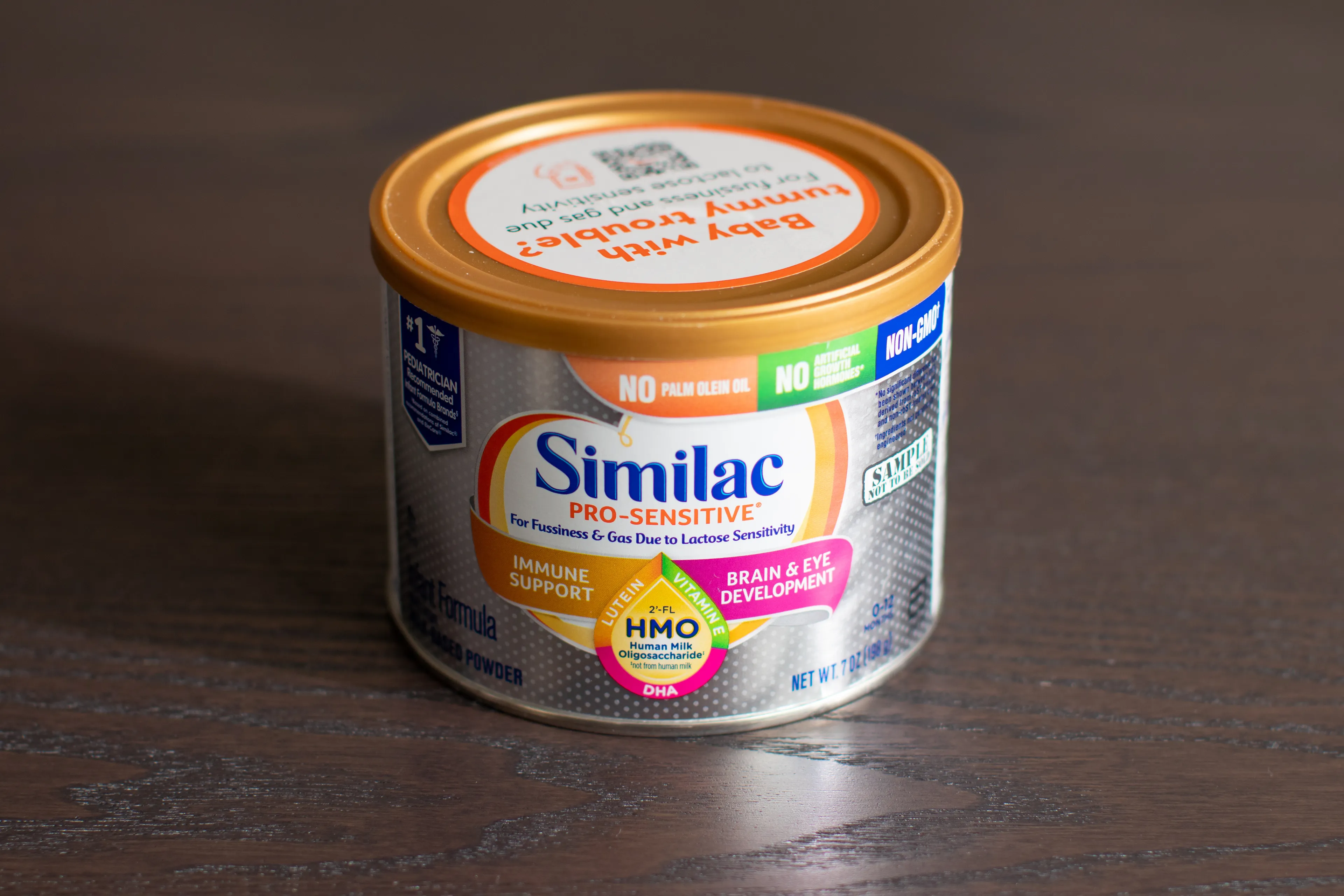
Compare Similac Advance with other Similac formulas, including nutritional features, formula types, stages, and which options may suit different baby needs.
Dr. Kamran
Choosing the right infant formula feels overwhelming when shelves are packed with products that look nearly identical. Similac Advance is one of the most recognised infant formula brands in India, yet the range also includes Similac IQ and stage-specific tins that leave many parents second-guessing. This infant formula comparison for India covers each variant clearly so you can make an informed decision, ideally alongside your paediatrician.
Similac Advance is a cow's milk-based infant formula designed for babies from birth to 12 months who are not being exclusively breastfed or who need supplemental feeding. It is manufactured by Abbott Nutrition and is widely available across Indian pharmacies and online platforms.
Key Similac Advance ingredients include:
Lactose as the primary carbohydrate, mirroring breast milk
A whey-to-casein ratio aimed at easier digestion compared to whole cow's milk
DHA (docosahexaenoic acid) and ARA (arachidonic acid) to support brain and eye development
Iron, calcium, and Vitamin D calibrated to infant requirements
Similac Advance does not contain palm olein oil, a formulation choice Abbott links to better calcium absorption and softer stools, though individual responses vary between babies.
Similac Advance vs Similac IQ: Key Differences
Similac IQ is positioned as an enhanced option above the base Similac Advance formulation. The most notable difference is the addition of Human Milk Oligosaccharides (HMOs), specifically 2'-FL HMO, which occur naturally in breast milk and are associated with supporting the infant gut microbiome and immune function.
Feature
Similac Advance
Similac IQ
Target age
0 to 12 months
0 to 12 months
HMO (2'-FL)
Not included
Included
DHA and ARA
Yes
Yes
No palm olein oil
Yes
Yes
Primary claim
Complete everyday nutrition
Gut and immunity support
Price range (India)
Lower
Higher
The practical question is whether the HMO content justifies the price difference. Breast milk remains the gold standard, and HMOs in formula are a helpful addition rather than a replacement for breastfeeding benefits. If budget is a concern, Similac Advance still provides complete infant nutrition. Discuss the Similac Advance vs Similac IQ choice with your doctor, especially if your baby has immune or digestive concerns.
Similac Advance Side Effects and Tolerance
Most healthy, full-term babies tolerate Similac Advance well, but some may show adjustment symptoms when starting or switching formulas:
Loose stools or slightly firmer stools, depending on the baby's gut
Increased gas or fussiness, typically in the first one to two weeks
Spitting up more than usual during the transition period
These symptoms usually settle on their own. However, if your baby develops a skin rash, persistent vomiting, blood in stools, or significant weight loss, stop feeding and consult a doctor promptly. These could indicate a cow's milk protein allergy or another condition requiring a different formula entirely.
Report adverse events to your healthcare provider or the relevant regulatory authority.
Abbott structures the Similac range around developmental stages. Understanding Similac Stage 1 vs Stage 2 differences helps parents avoid using a formula that undershoots or overshoots their baby's nutritional needs.
Stage 1 (0 to 6 months)
Stage 1 formulas, which include Similac Advance in its standard form, are designed for newborns and young infants. The protein profile is gentler, iron levels compensate for the depletion of birth stores, and caloric density suits a baby who is not yet eating solids. This is the best Similac formula for newborn use.
Stage 2 (6 to 12 months)
From six months, babies begin complementary foods. Stage 2 adjusts nutrient ratios to complement, not replace, a mixed diet of formula and solids. If your baby is growing well on Stage 1 and your doctor sees no reason to switch, there is no urgent need to change at exactly six months.
Stage 3 (12 to 24 months)
Stage 3 is a growing-up milk, not an infant formula. It suits toddlers eating a variety of foods who need a nutritional top-up rather than a complete milk replacement. It should never be used for infants under 12 months.
Stage
Age
Primary Role
Stage 1
0 to 6 months
Complete infant nutrition
Stage 2
6 to 12 months
Complement to solid foods
Stage 3
12 to 24 months
Growing-up nutritional support
How to Choose the Right Formula for Your Baby
No single formula suits every baby. Here are practical pointers for the infant formula comparison India parents often need to navigate.
Start with your paediatrician: A paediatrician who knows your baby's growth pattern, birth history, and medical needs can help determine which formula is appropriate. This is particularly important for premature or low-birth-weight babies and infants with a family history of allergies.
Consider prematurity: Preterm infants may have different nutritional requirements and may need specialised formulas with higher calorie and nutrient density. Standard formulas intended for full-term infants should not be used for premature babies without medical guidance.
Consider allergies: A family history of cow's milk protein allergy may warrant closer assessment before choosing a standard cow's milk-based formula. If an allergy is suspected or confirmed, your paediatrician may recommend an extensively hydrolysed or amino acid-based formula.
Consider your budget: Premium or specialised formula variants may cost more, but a higher price does not necessarily mean they are medically necessary. Choose a product based on your baby's nutritional needs and your paediatrician's advice rather than cost or marketing claims.
Feeding is just one part of early newborn care. For those first few weeks, newborn care essentials beyond feeding are worth reading through before your baby arrives.
Contraindications and Safety Precautions
Similac Advance and other standard cow's milk-based formulas are not appropriate for every infant. Do not use without medical guidance in the following situations:
Galactosemia, a rare metabolic disorder where the body cannot process galactose
Confirmed or strongly suspected cow's milk protein allergy
Infants whose doctor has recommended a specialised or hypoallergenic formula
Premature or medically complex infants who need a prescription or hospital-grade formula
If you are unsure whether Similac Advance is safe for your baby, check with your paediatrician before starting. Never switch formulas for a medically vulnerable infant without professional input.
Preparation, Storage, and Feeding Tips
Correct preparation is as important as choosing the right formula.
Always use the scoop provided in the tin; different brands have different scoop sizes, so never swap them
Follow the mixing ratio printed on the label exactly. Adding extra powder does not improve nutrition and can strain a baby's kidneys
Use boiled water that has cooled to approximately 70 degrees Celsius to prepare each feed, as this temperature helps eliminate any bacteria that may be present in powdered formula
Prepared formula should be used within two hours if kept at room temperature, or within 24 hours if refrigerated immediately and stored at or below 5 degrees Celsius
Never microwave a prepared bottle; it creates hot spots that can scald a baby's mouth
Once a feed is started, discard any leftover milk within one hour
Opened tins should be stored in a cool, dry place with the lid sealed and used within the period stated on the packaging, usually four weeks after opening.
Choosing between Similac Advance and other Similac formulas depends on your baby's age, nutritional needs, feeding tolerance, and overall health. Standard formulas may provide complete nutrition for many healthy, full-term infants, while specialised options may be considered when there are specific nutritional or medical requirements. Stage-appropriate products should be used according to the manufacturer's age recommendations, and premature babies or infants with suspected allergies may need a different feeding plan. A higher-priced formula is not automatically necessary or nutritionally superior for every baby. Discuss your options with your paediatrician, particularly if your baby has poor weight gain, persistent vomiting, blood in the stool, or other signs of feeding intolerance.
FAQs
Is Similac Advance good for newborns?
Yes, Similac Advance Stage 1 is formulated for babies from birth to six months, making it suitable for newborns who are not exclusively breastfed. Always confirm with your paediatrician, especially if your baby was born premature or has any health concerns.
Can I switch between Similac stages suddenly?
A gradual transition over five to seven days is generally easier on a baby's digestive system, mixing increasing proportions of the new stage with the old. A sudden switch is not dangerous for most healthy babies, but gradual changeovers reduce the chance of gas or loose stools.
Does Similac Advance cause constipation?
Similac Advance does not contain palm olein oil, which Abbott associates with softer stools. Constipation can still occur in some formula-fed babies, but it is usually mild. If your baby strains significantly or goes several days without passing stool, speak to your doctor.
Is Similac Advance close to breast milk?
No infant formula fully replicates breast milk, which contains hundreds of bioactive components that change with a baby's needs. Similac Advance is formulated to approximate key nutritional aspects of breast milk, including DHA, ARA, and lactose, but breast milk remains the preferred choice where possible.
What is the shelf life of prepared Similac formula?
Prepared Similac formula should be used within two hours at room temperature or within 24 hours if refrigerated promptly at or below 5 degrees Celsius. Always check the expiry date on the tin, and discard any prepared feed not consumed within these windows.