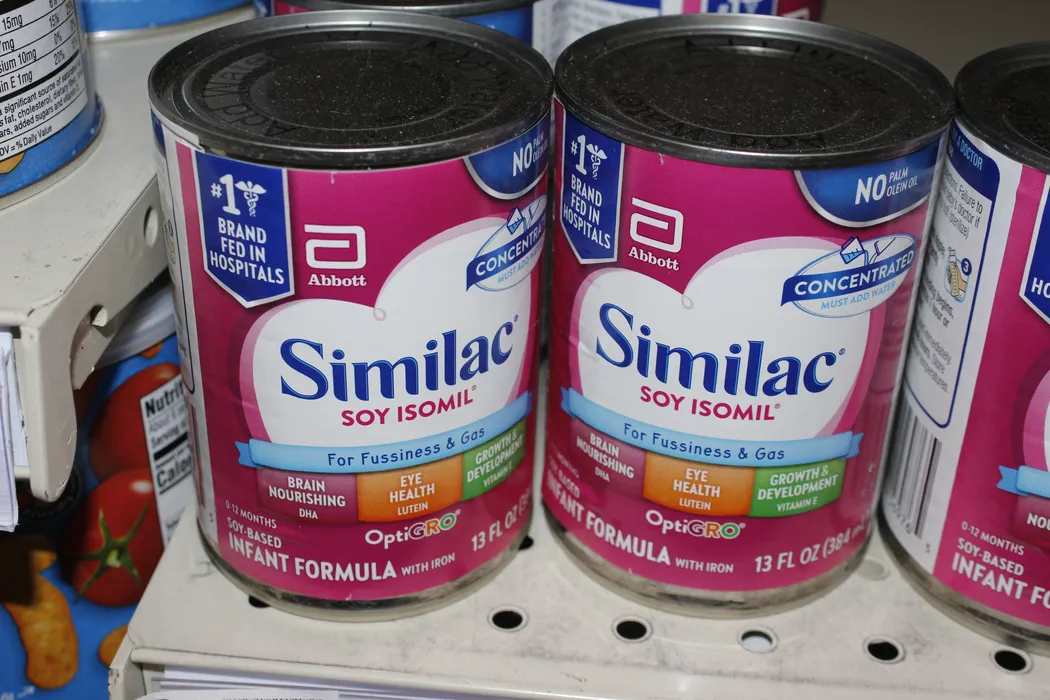
Similac Soy Isomil: Guide for Sensitive Babies | Apollo
Similac Soy Isomil: Guide for Sensitive Babies | Apollo
Learn about Similac Soy Isomil and other formula options for sensitive babies, including soy, partially hydrolysed, extensively hydrolysed, and specialised formulas.
Few things worry a new parent more than watching their baby cry through feedings, break out in a rash, or struggle with gas after every bottle. If this sounds familiar, you may have started researching similac soy isomil and other specialized formulas. Understanding your options, and knowing when to use each one, can make a real difference for a baby with a sensitive stomach or a milk-related intolerance.
Similac Soy Isomil is a soy-based infant formula. Instead of cow's milk protein and lactose, it uses soy protein isolate and alternative carbohydrate sources as its nutritional base. This makes it a common consideration for babies who cannot tolerate lactose or who have galactosemia, a rare inherited condition where the body cannot process galactose, a sugar found in milk.
The main isomil soy formula uses documented in paediatric practice include lactose intolerance in babies, galactosemia, and situations where families have dietary or religious objections to animal-derived ingredients. It is broadly nutritionally complete for full-term infants, but it is not right for every baby. Before switching from a standard dairy-based formula, always speak with your paediatrician. A doctor can confirm whether a soy formula is appropriate or whether a different type of specialized feed is needed.
Signs Your Baby May Need a Specialized Formula
Babies cannot tell you what is wrong, so parents learn to read the signals. Some common signs that a formula may not suit your baby include:
Persistent gas, bloating, or cramping after feeds
Frequent spitting up or reflux that does not improve
Loose, mucousy, or blood-streaked stools
Skin rashes, hives, or eczema appearing around feeding time
Excessive crying or apparent pain during or after feeding
Poor weight gain despite adequate feeding
None of these symptoms alone confirms a milk allergy or intolerance. Blood in the stool, in particular, always requires prompt medical attention. A paediatrician may recommend an elimination approach, allergy testing, or a formula trial, but the decision should not be made based on a parent's observation alone.
Soy-Based vs Hypoallergenic (Extensively Hydrolysed) Formulas
These two categories of specialized formula are often confused, but they serve very different purposes.
Soy-based formula replaces cow's milk protein and lactose with plant-derived alternatives. It is most useful when the issue is lactose intolerance in babies or galactosemia, and it is not the same thing as a hypoallergenic baby formula.
Hypoallergenic formulas fall into two main types:
Extensively hydrolysed formulas: These formulas break cow's milk proteins into very small fragments, making them less likely to trigger an immune reaction in babies with cow's milk protein allergy.
Amino acid-based (elemental) formulas: These formulas contain individual amino acids rather than intact proteins and may be used for babies with severe cow's milk protein allergy or those who do not tolerate extensively hydrolysed formulas.
Severe milk protein allergy, multiple food allergies
Free amino acids
The critical point: up to half of babies with a confirmed cow's milk protein allergy may also react to soy protein. A milk protein allergy formula, properly chosen, is usually an extensively hydrolysed or amino acid-based product rather than a soy one. A baby formula for a sensitive stomach tied to a true immune response almost always needs a hydrolysed option. Your doctor can confirm which type fits your baby's specific diagnosis.
Contraindications and Who Should Avoid Soy Formula
Soy formula is not appropriate for every infant. There are clear situations where it should be avoided:
Preterm or low-birth-weight infants: soy phytates can interfere with mineral absorption at a critical stage of development, and most paediatric guidelines advise against soy formula for this group.
Soy protein allergy: babies already sensitized to soy will react to a soy-based formula just as they would to a standard cow's milk formula.
Thyroid conditions: soy can interfere with thyroid hormone absorption, so babies on thyroid medication need careful monitoring if soy formula is introduced.
Congenital hypothyroidism: use in these infants requires close endocrine follow-up.
There are also ongoing questions about phytoestrogens, plant compounds with mild Oestrogen-like activity, present in soy formula. Current paediatric guidance does not find established harm in healthy full-term infants at normal feeding amounts, but this remains an area of active discussion. Speak with your paediatrician if you have any concerns about long-term use.
Report any adverse reactions including new rashes, respiratory symptoms, vomiting, or worsening of existing symptoms to your healthcare provider or the relevant regulatory authority.
How to Transition Your Baby to a New Formula Safely?
Switching formulas abruptly can upset a baby's digestion even when the new formula is the right choice. A gradual transition over five to seven days is generally gentler:
Replace one feed a day with the new formula while continuing the current one for the rest.
Over the following days, increase the proportion of the new formula gradually: one-quarter new, then half, then three-quarters.
Watch your baby closely for any new symptoms such as rash, vomiting, diarrhoea, or unusual crying.
If symptoms worsen or do not improve within two weeks of a full switch, return to your doctor.
Never add anything to formula, such as cereals, sugar, or extra scoops of powder, without medical guidance. Prepared formula should be used within the time your doctor or the product label recommends, and leftover feed from a bottle should not be saved for the next feed.
Conclusion
Similac Soy Isomil may be an appropriate option for some full-term infants who need a soy-based formula, but it is not a universal solution for every baby with feeding difficulties. Soy formula, extensively hydrolysed formula, and amino acid-based formula serve different nutritional and medical purposes, so choosing the right option depends on the underlying cause of the baby's symptoms. Babies with suspected cow's milk protein allergy, poor growth, blood in the stool, or persistent feeding problems should be assessed by a paediatrician before changing formula. Always follow professional guidance when selecting, preparing, or switching specialised infant formula.
FAQS
Is Similac Isomil good for gas problems in babies?
Similac Soy Isomil may help if gas is caused by lactose intolerance, since it removes lactose from the diet. However, some babies produce more gas on soy formula initially, so consult your paediatrician before making the switch to confirm lactose intolerance is the actual cause.
Can I switch between soy and dairy formula freely?
Frequent back-and-forth switching is not recommended, as it can disrupt your baby's digestion and make it harder to identify what is causing any symptoms. Any formula change should be discussed with your doctor and done gradually over several days.
Does soy formula cause hormonal issues in infants?
Soy contains phytoestrogens, which have raised questions about hormonal effects. Current evidence does not show established harm in healthy full-term infants fed soy formula at standard amounts, but ongoing research continues and your paediatrician is best placed to weigh this for your individual baby.
How long can a baby stay on soy formula?
A baby can stay on soy-based infant formula through the first year of life if it has been recommended by a doctor and the baby is tolerating it well. Your paediatrician will advise on when and how to transition to other foods and milks after twelve months.
Is Similac Isomil available without a prescription?
Similac Soy Isomil is generally available over the counter at pharmacies, but availability can vary. Even where no prescription is required, a paediatrician's guidance is strongly recommended before starting any specialized formula to make sure it is the right fit for your baby's needs.