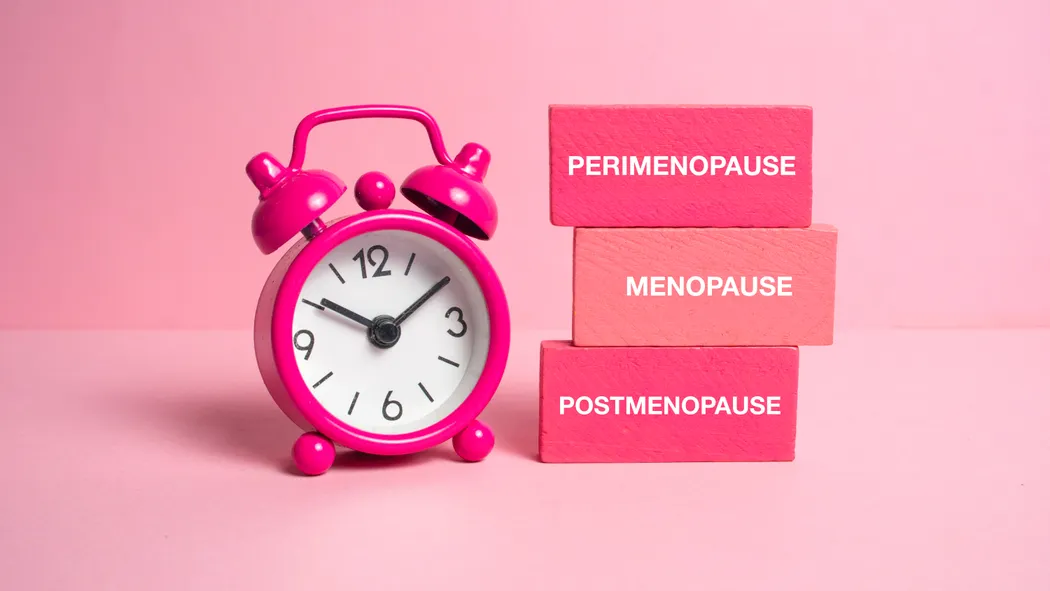
Postmenopause: Long-Term Health Considerations
nce you have passed the 12-month mark without a period, you are in postmenopause. Acute symptoms like hot flushes often ease, though some women continue to experience them for years. The more significant concerns are the long-term effects of sustained low oestrogen.
Bone Density
Oestrogen plays a protective role in bone metabolism. After menopause, bone loss accelerates, raising the risk of osteoporosis and fractures. Weight-bearing exercise, adequate calcium and vitamin D intake, and regular bone density scans (DEXA) become important preventive steps.
Cardiovascular Health
Oestrogen has a favourable effect on blood vessel function and lipid profiles. Postmenopause symptoms related to cardiovascular risk include shifts in cholesterol levels and blood pressure. Heart disease risk rises after menopause, making regular monitoring of blood pressure, blood sugar, and lipids essential.
Vaginal and Urinary Health
Low oestrogen causes thinning of the vaginal lining, a condition called genitourinary syndrome of menopause (GSM). Postmenopause symptoms in this area include vaginal dryness, itching, discomfort during sex, and recurrent urinary tract infections. Unlike hot flushes, these tend to worsen over time without treatment.
Monitoring in Postmenopause
Postmenopause is a good time to schedule regular health checks, including bone density testing, cardiovascular risk assessment, mammograms, and cervical screening as advised by your doctor.