logo
0

Stages of Menopause: What to Expect at Every Phase

Learn about the stages of menopause, including perimenopause, menopause and postmenopause, with common symptoms, hormonal changes and health considerations.

article image

Dr.Vasantha Sree

Menopause is a natural biological milestone, but the stages of menopause leading up to and beyond it can span more than a decade. Understanding what your body is going through, and when, can make a real difference in how you manage symptoms, plan your healthcare, and feel in control of the years ahead.

What Is Menopause: A Quick Overview

Menopause is defined as 12 consecutive months without a menstrual period, with no other medical cause. It marks the permanent end of ovarian function and the body's natural reproductive cycle.

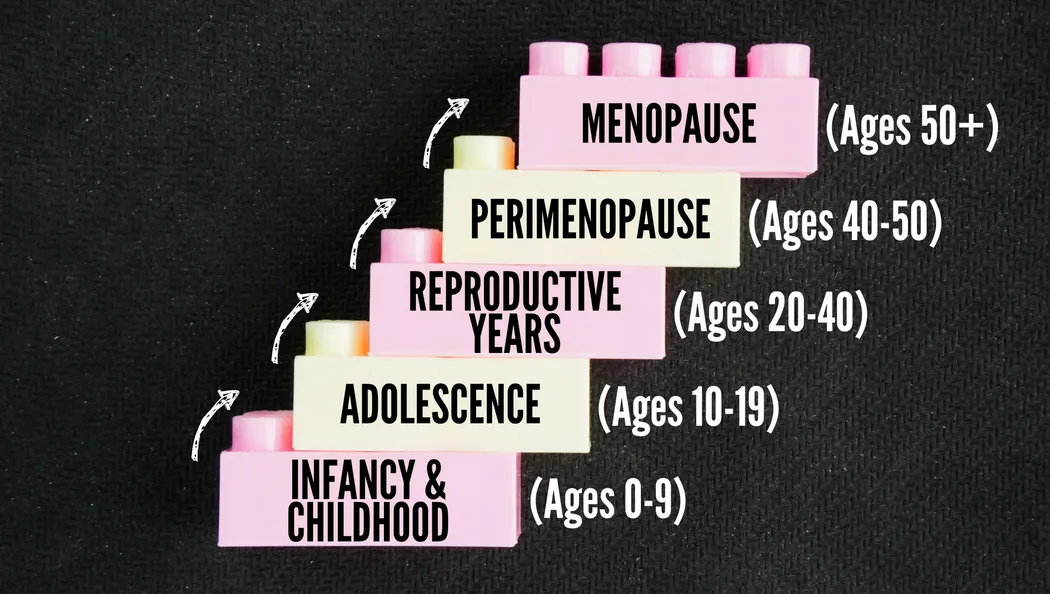
The full transition unfolds across three distinct stages:

  • Perimenopause: the years of hormonal fluctuation leading up to the final period
  • Menopause: the point confirmed after 12 months of no periods
  • Postmenopause: every year that follows

Each stage brings its own hormonal pattern and health considerations. Knowing which stage you are in helps you and your doctor make the right decisions together.

Stage 1: Perimenopause (The Transition Phase)

Perimenopause is where most women first notice something has changed. The ovaries gradually produce less estrogen and progesterone, and this hormonal variability drives most of the early symptoms.

Most women enter perimenopause in their mid-to-late 40s, though it can begin as early as the late 30s for some. How long does perimenopause last? On average, four to eight years, though the range is wide. Some women move through it in two years; others experience hormonal shifts for close to a decade before reaching the menopause milestone.

Signs of Perimenopause to Watch For

Perimenopause symptoms can be easy to dismiss as stress or a busy life. The ones worth tracking include:

  • Periods becoming irregular: closer together, further apart, lighter, or heavier than usual
  • Hot flashes and night sweats, often the first signs of menopause women recognise
  • Disrupted sleep, even on nights when hot flashes are absent
  • Mood changes, including irritability or episodes of low mood
  • \Reduced interest in sex
  • Vaginal dryness beginning to develop
  • Difficulty concentrating or memory lapses

Pregnancy remains possible during perimenopause, so contraception should not be abandoned without medical advice.

Stage 2: Menopause (The 12-Month Milestone)

Menopause itself is a single point in time, not a prolonged phase. It is confirmed retrospectively: once 12 full months have passed without a period, the date of the last period is recorded as the menopause date.

Menopause Age in India

The average menopause age globally sits around 51. In India, studies suggest the average falls between 46 and 52 years, with many women reaching menopause slightly earlier than their Western counterparts. Factors such as parity, nutritional status, and body weight can all influence timing.

Reaching menopause before age 40 is called premature ovarian insufficiency. Between 40 and 45, it is termed early menopause. Both warrant prompt medical evaluation because of long-term implications for bone and heart health.

Stage 3: Postmenopause and Long-Term Changes

Postmenopause begins the day after the 12-month milestone and lasts for the rest of a woman's life. Estrogen levels settle at a consistently low level, and the body adapts to this new hormonal baseline.

What Happens to the Body After Menopause?

The lower estrogen environment has effects well beyond periods and hot flashes:

  • Bone density loss accelerates in the first few years after menopause, raising the risk of osteoporosis and fractures. Weight-bearing exercise and adequate calcium and vitamin D intake become especially important.
  • Estrogen has a protective effect on blood vessels. After menopause, the risk of high blood pressure, high cholesterol, and heart disease rises, making regular monitoring essential.
  • Reduced estrogen causes the vaginal walls to thin and dry, a condition called genitourinary syndrome of menopause. Urinary urgency and recurrent infections can also increase.
  • Weight may redistribute toward the abdomen even without changes in diet or exercise habits.

Postmenopause symptoms are often subtler than the acute hot flashes of perimenopause, but the long-term health implications deserve consistent attention and regular check-ups.

Common Symptoms Across the Stages

Individual experience varies, but symptoms tend to cluster by stage. This overview can help you identify where you are in the transition.

Symptom CategoryPerimenopauseMenopausePostmenopause
Vasomotor (hot flashes, night sweats)Common, variableOften peak intensityGradually improve for most
Menstrual patternIrregular periodsNo periods (confirmed)No periods
Sleep disturbanceCommonCommonMay persist
Mood changes, anxietyCommonCommonCan continue
Vaginal drynessBeginsWorsensOngoing without treatment
Bone density lossMildAcceleratesOngoing
Cardiovascular riskBaselineBegins to rise    Elevated

Premenopause vs Perimenopause: A Common Confusion

Premenopause simply means the years before any menopausal transition begins. A woman in her 30s with regular cycles is technically premenopausal. Perimenopause, by contrast, is an active transitional phase with measurable hormonal change and real symptoms. The distinction matters because perimenopause requires monitoring and sometimes management, whereas premenopause generally does not.

Contraindications and When to Avoid Self-Treatment

Some conditions require medical review before any hormonal or supplement-based management is started. Do not self-treat if you have:

  • A personal or close family history of hormone-sensitive cancers, including breast or uterine cancer
  • Unexplained vaginal bleeding
  • A history of blood clots, deep vein thrombosis, or pulmonary embolism
  • Active liver disease
  • Uncontrolled high blood pressure or cardiovascular disease
  • A known clotting disorder

Hormone replacement therapy (HRT) is not suitable for everyone. Even herbal supplements marketed for menopause can interact with medications or carry risks in certain health conditions. Always speak to a doctor before starting any treatment.

Report adverse events to your healthcare provider or the relevant regulatory authority.

Managing Symptoms: Lifestyle and Medical Options

How long menopause-related symptoms last varies significantly from woman to woman. Some manage well with lifestyle changes alone; others need medical support. The good news is that effective options exist across the spectrum.

Lifestyle Measures

  • Regular aerobic and weight-bearing exercise supports mood, sleep, bone health, and heart health.
  • A diet rich in calcium, vitamin D, and plant proteins helps offset some postmenopause risks.
  • Limiting caffeine, alcohol, and spicy foods can reduce hot flash frequency for some women.
  • Mindfulness and cognitive behavioural techniques have reasonable evidence for mood and sleep symptoms.

Medical Options

For women with moderate to severe symptoms, a doctor may discuss:

  • Hormone therapy: estrogen alone or combined estrogen-progesterone, available in several forms. Suitability depends on personal and family medical history.
  • Low-dose antidepressants (SSRIs or SNRIs): an option for hot flashes in women who cannot or prefer not to use hormone therapy.
  • Local vaginal estrogen: addresses dryness and urinary symptoms with minimal systemic absorption, often suitable for women with contraindications to systemic HRT.
  • Non-hormonal prescription options for bone protection where indicated.

Your doctor can help you weigh benefits against individual risk. No single approach suits everyone.

Conclusion

Understanding the stages of menopause can help you recognise the physical and hormonal changes that may occur during the transition. Perimenopause can bring changes in menstrual cycles and symptoms, while menopause is confirmed after 12 consecutive months without a period. Postmenopause follows and may involve ongoing symptoms as well as longer-term considerations such as bone and cardiovascular health. Maintaining a balanced diet, regular physical activity, healthy sleep habits and routine healthcare can support wellbeing throughout these stages. If symptoms are severe, persistent or affecting your quality of life, consult a gynaecologist or other qualified healthcare professional for personalised guidance.

FAQS

What are the 3 stages of menopause?

The three stages are perimenopause (the transitional phase of hormonal fluctuation), menopause (confirmed after 12 consecutive months without a period), and postmenopause (every year after that milestone). Each stage has distinct hormonal patterns and health considerations.

What is the average age menopause starts in India?

In India, the average menopause age falls between 46 and 52 years, which is slightly earlier than the global average of around 51. The transition itself, including perimenopause, typically begins several years before the final period.

Can perimenopause last for years?

Yes. Perimenopause commonly lasts four to eight years, and for some women it can extend close to a decade. The pace varies depending on genetics, lifestyle, and overall health.

What are the warning signs of early menopause?

Irregular or absent periods before age 45, combined with hot flashes, night sweats, and vaginal dryness, may signal early menopause. A doctor can confirm this with a clinical assessment and hormone tests, since early menopause has implications for bone and heart health that need proactive management.
Does menopause affect mental health?

It can. Hormonal fluctuations during perimenopause and menopause are linked to mood changes, irritability, anxiety, and in some women, depressive episodes. If psychological symptoms are affecting daily life, speak to your doctor, as there are effective treatments available.

Apollo 247 Floating Action Button