logo
0

Sweet Corn for Babies: Is Sweet Corn Good for Babies

Sweet corn for babies can provide valuable nutrients when prepared safely. Learn when babies can eat corn, its benefits, choking risks, preparation methods, and storage tips.


article image

Dr. Kamran

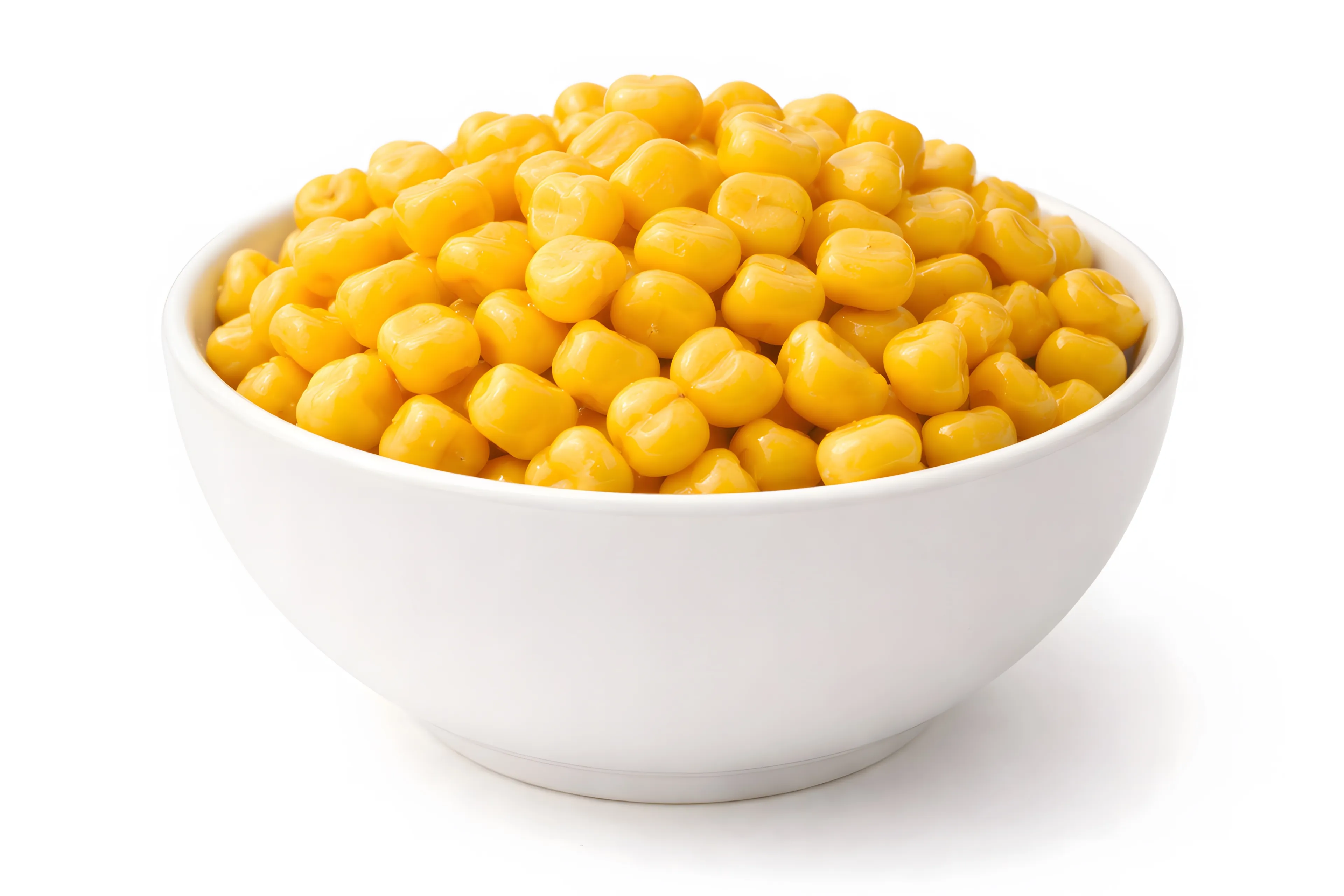
Introducing your little one to solid foods is an exciting and memorable milestone. As a parent, you want to offer a wide variety of flavours and nutrients to support your growing child. During this culinary adventure, you will likely find yourself looking at the colourful produce aisle or your family dinner table and asking: is sweet corn good for babies?

With its natural sweetness and vibrant yellow colour, corn is a favourite in many households. But if you are asking, "Can I give sweet corn to my baby?" or "Can babies eat corn safely?" there are several important factors you should consider. While corn is packed with valuable vitamins and minerals, its unique texture and high fibre content require a careful approach when introducing it to your infant.

In this comprehensive guide, we will explore the nutritional benefits of sweet corn, potential safety and choking concerns, and how to safely prepare corn for your baby at different developmental stages.

When Can Babies Eat Corn?

According to the Centers for Disease Control and Prevention (CDC) and the American Academy of Pediatrics (AAP), babies can start eating solid foods around 6 months of age. At this stage, your infant should show signs of developmental readiness, such as having good head control and sitting up with minimal support.

However, while many fruits and vegetables can be introduced right at the start of the solids journey, corn requires a bit of caution. If you are wondering, "Can I give corn to my baby as a first food?", the answer depends entirely on how you prepare it.

  • At 6 Months: whole corn kernels are a significant choking hazard and are far too difficult for a young baby to chew and digest. At this early stage, a smooth, strained corn puree for baby is the safest way to introduce the flavour  and nutrients of sweet corn.
  • At 9 to 12 Months: Once your baby has developed their pincer grasp and has begun chewing and swallowing more textured foods, you can transition to mashed corn, creamed corn, or soft corn cakes.
  • At 12 Months and Older: Once your child has molars and has mastered chewing, you can gradually introduce whole, cooked corn kernels.

Why Is Sweet Corn Good for Babies? The Health Benefits

When you begin introducing solids, you might ask: Is corn good for babies health and development?

Yes, when prepared in an age-appropriate way, corn is good for babies and offers several vital nutrients that support rapid infant growth.

Nutritionally, sweet corn is good for babies due to its unique combination of vitamins, minerals, and dietary fibre:

  • Energy-Boosting Carbohydrates: Babies require a lot of energy to fuel their daily growth and developmental milestones. Sweet corn is a starchy vegetable that provides healthy carbohydrates, which act as a steady source of fuel for your active baby.
  • Digestive Support: When searching for foods that make corn good for babies, its fibre content is a standout feature. Corn contains both soluble and insoluble fibre, which can help promote regular bowel movements and prevent infant constipation.
  • Eye Health Protection: Sweet corn is rich in carotenoids, specifically lutein and zeaxanthin. These powerful antioxidants play a vital role in protecting and supporting the development of your baby’s vision.
  • Brain and Cellular Development: Corn contains essential B vitamins, particularly folate and thiamin. Folate is crucial for healthy cellular growth and brain development, while thiamin helps the body convert food into usable energy.
  • Essential Minerals: While sweet corn should not be relied upon as a primary source of iron, it does contain trace amounts of iron, magnesium, and phosphorus, which contribute to healthy blood cells and strong bone development.

Because of these diverse nutrients, many paediatricians consider sweet corn good for babies once they reach the appropriate age and developmental stage.
 

Safety Precautions and Choking Risks

While sweet corn can be a nutritious choice for babies, raw or whole corn presents a significant choking hazard. The small, slippery, and round shape of a corn kernel can easily slip into a baby's airway.

To ensure your baby stays safe while enjoying this nutritious food, keep the following guidelines in mind:

1. Avoid Whole Kernels for Young Infants

Never serve whole corn kernels to babies under 12 months of age. Even if your baby has a few front teeth, they lack the molars required to grind down tough, fibrous foods like corn.

2. Mind the Outer Skin (Hull)

The outer skin of a corn kernel is made of cellulose, an insoluble fibre that the human digestive system cannot easily break down. You might also wonder: Is sweetcorn good for babies if they cannot digest the skin? Yes, but you may notice the outer skins passing through your baby's stool completely intact. This is entirely normal and harmless. However, for younger babies (6 to 8 months), straining the outer skins after blending a puree will make the food much easier on their sensitive tummies.

3. Watch for Allergies

While corn allergies are relatively uncommon, they can still occur. When introducing corn for the first time, offer it alone in small quantities and wait 3 to 5 days before introducing another new food. Watch closely for signs of an allergic reaction, which may include:

  • Hives or skin rashes
  • Vomiting or diarrhoea
  • Swelling of the lips, tongue, or face
  • Difficulty breathing or wheezing

If you notice any signs of a severe allergic reaction, seek emergency medical attention immediately.

How to Prepare and Store Sweet Corn Baby Food

To make homemade sweet corn baby food, always start with high-quality ingredients. You can use fresh corn on the cob, frozen sweet corn, or low-sodium canned corn. If using canned corn, ensure you rinse it thoroughly under cool water to remove excess sodium.

Step-by-Step: How to Make Sweet Corn Puree for Baby

If you want to prepare a safe sweet corn puree for baby, follow these simple steps to ensure a smooth, easily digestible texture:

1. Cook the Corn: If using fresh corn, steam or boil the cob until the kernels are plump and tender (about 5 to 7 minutes). If using frozen or canned corn, steam the kernels until they are soft.
2. Blend: Place the warm corn kernels into a food processor or high-power blender. Add a small amount of liquid, such as breast milk, infant formula, or water, to help achieve a smooth consistency. Blend on high until the mixture is as smooth as possible.
3. Strain: Because of the tough outer hulls, pass the blended puree through a fine-mesh sieve or strainer. Use a spoon to press the puree through, discarding the fibrous skins left behind in the strainer.
4. Cool and Serve: Allow the strained puree to cool to room temperature before serving a small spoonful to your baby.

This simple corn puree for baby can be served on its own or easily blended with other familiar purees, such as sweet potato, pumpkin, apple, or pear.

Storing Homemade Baby Food

You can store freshly prepared corn puree in an airtight container in the refrigerator for up to 3 days. For longer storage, spoon the puree into clean silicone ice cube trays and freeze. Once frozen, transfer the cubes to a freezer-safe bag and store for up to 3 months. Thaw a single portion in the refrigerator overnight before serving.

Conclusion

Introducing sweet corn can be a nutritious way to help your baby explore new flavours, textures, and foods from around six months, when they are developmentally ready for solid foods. Whether you choose a smooth sweet corn puree, a corn and vegetable blend, or soft-cooked cornmeal, sweet corn can provide useful nutrients as part of a varied complementary diet. By cooking and serving it in an age-appropriate texture, avoiding added salt and sugar, storing homemade baby food safely, and progressing gradually from smooth purees to more textured foods, you can make sweet corn an enjoyable part of your baby’s feeding journey. Always supervise your baby while eating, follow their readiness and feeding cues, and consult your paediatrician if you have concerns about introducing new foods.

FAQS

Is sweet corn good for babies with sensitive stomachs?

While sweet corn is highly nutritious, the high fibre content can sometimes cause mild gas or bloating in babies with particularly sensitive digestive systems. To minimise tummy discomfort, always strain the outer skins from the corn puree before serving it to babies under 8 or 9 months.

Can I use canned sweet corn to make baby food?

Yes, you can use canned sweet corn, but it is important to read the nutrition label carefully. Choose canned corn with "no added salt" or "low sodium." Always drain and rinse the canned corn thoroughly under cool water before cooking and pureeing it to reduce any lingering sodium.

What is the difference between sweet corn and field corn for babies?

Sweet corn is harvested when the kernels are tender and sweet, making it the ideal variety for eating. Field corn (or dent corn) is harvested when the kernels are dry and hard; it is primarily used for animal feed or processed into cornmeal, corn syrup, and cornstarch. Always choose fresh, frozen, or canned sweet corn for your baby.

Can babies eat cornmeal or polenta?

Yes! Soft-cooked cornmeal, grits, or polenta are excellent ways to introduce the flavour of corn to your baby. Ensure the cooked cornmeal has a smooth, lump-free consistency and is fully cooled before serving.

Is corn a genetically modified (GMO) food, and is it safe for my baby?

Many varieties of corn grown today are genetically modified. If you prefer to avoid GMOs, you can purchase organic-certified fresh, frozen, or canned sweet corn, which is non-GMO by definition. Both conventional and organic sweet corn are considered safe and nutritious options for infants.

Apollo 247 Floating Action Button