logo
0

Sweet Potato Puree for Babies: Easy Recipes & Benefits

Learn how to make nutrient-rich sweet potato puree for babies. Discover easy recipes, food combinations, benefits, and feeding tips for ages 6-10 months.

article image

Dr.Ezhilrasan

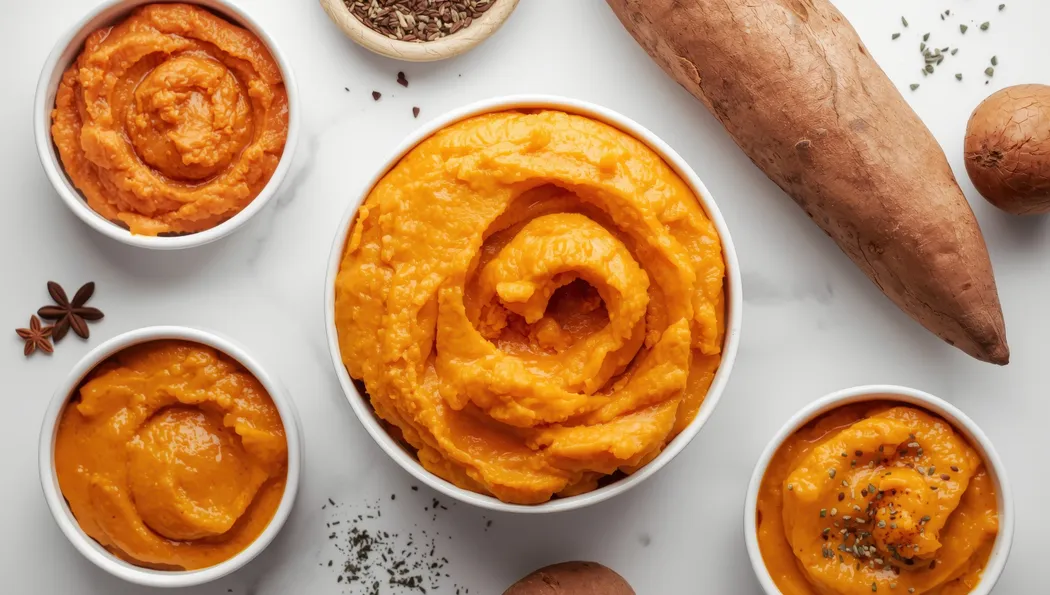
Introducing your little one to solid foods is an exciting milestone. As a parent, you want to offer foods that are not only packed with nutrients but also gentle on tiny tummies and naturally delicious. That is where a wholesome sweet potato puree baby meal comes in.

Knowing when to introduce sweet potato to baby meals is simple: most paediatricians and international health organisations, including the World Health Organisation (WHO), recommend starting solid foods around 6 months of age. If you are ready to prepare a fresh sweet potato puree baby meal, you are in the right place. Sweet potato is widely considered one of the absolute best first foods for infants.

In this comprehensive guide, we will explore the health benefits of this root vegetable, provide simple step-by-step recipes, discuss safety guidelines, and share delicious food combinations your baby will love.

Nutritional Benefits: Why Sweet Potato is Good for Babies

If you are wondering if sweet potato is good for babies, the answer is a resounding yes. Nutritionists and paediatricians highly recommend sweet potato for baby food because of its exceptional nutritional profile. Sweet potato is good for babies because it supports rapid physical growth, brain development, and a strong immune system.

Key Sweet Potato Puree Benefits for Baby:

  • Rich in Beta-Carotene (Vitamin A): This nutrient gives the vegetable its bright orange colour, especially when using orange sweet potato baby food. The infant’s body converts beta-carotene into Vitamin A, which is crucial for healthy vision, skin health, and immune defence.
  • High in Dietary Fibre: A soft sweet potato baby food is highly digestible and provides the dietary fibre needed to prevent constipation as your baby transitions to solid foods.
  • Packed with Essential Vitamins: It contains Vitamin C, which aids iron absorption, and Vitamin B6, which supports healthy brain development.
  • Excellent Source of Energy: Sweet potatoes provide healthy complex carbohydrates, giving your growing baby the energy they need to crawl, play, and explore.

When parents ask, which sweet potato is good for babies, the classic orange sweet potato is the most popular choice due to its high beta-carotene content and natural sweetness. However, purple and white sweet potatoes are also safe and healthy options.

Steaming vs. Boiling: How to Prepare Sweet Potatoes?

Creating a homemade sweet potato puree baby blend starts with choosing the right cooking method. To preserve the maximum amount of vitamins and minerals, you can either steam or boil the vegetable.

Steamed Sweet Potato Baby Food

  • Steaming is highly recommended by nutrition experts because it retains more water-soluble vitamins (like Vitamin C) than boiling.
  • To make a steamed sweet potato baby puree, peel and dice the sweet potato into small, uniform cubes.
  • Place them in a steamer basket over boiling water, cover, and steam for about 10 to 12 minutes, or until they are completely fork-tender.
  • Using a steaming basket ensures you get a perfect steamed sweet potato puree for baby that blends into a silky, luxurious texture.

Boiled Sweet Potato Baby Food

  • Boiling is another highly convenient method.
  • To make boiled sweet potato baby food, place your peeled and diced sweet potato cubes into a pot of boiling water.
  • Cook for 12 to 15 minutes until tender.
  • Keep in mind that some nutrients leach into the boiling water, so you can save a splash of this cooking liquid to thin out your boiled sweet potato baby puree or boiled sweet potato puree baby mix during blending.

Steps for the Sweet Potato Baby Food 

Step 1: Wash and peel the sweet potato.

Step 2: Dice the sweet potato into uniform cubes.

Step 3: Choose one cooking method:

Option A: Steaming

  • Steam for 10–12 minutes.
  • This retains more nutrients.

OR

Option B: Boiling

  • Boil for 12–15 minutes.
  • Save some of the cooking liquid.

Step 4: Blend the cooked sweet potato until smooth.

  • Add breast milk, prepared formula, or water as needed to achieve the desired consistency.

Simple Step-by-Step Sweet Potato Puree Baby Recipe

Preparing a homemade sweet potato baby food recipe is quick, cost-effective, and allows you to control exactly what goes into your child's bowl. Here is a simple, foolproof sweet potato puree recipe for baby meals.

Ingredients:

1 medium orange sweet potato (peeled and diced)

 Liquid for thinning (breast milk, infant formula, or water)

Instructions:

1. Prep: Thoroughly wash the sweet potato, peel the skin, and cut it into small, even-sized cubes.

2. Cook: Use your preferred method to create either steamed mashed sweet potato baby food or boiled sweet potato mashed baby food. Cook until the pieces pierce easily with a fork.

3. Blend: Transfer the warm sweet potato pieces into a blender or food processor.

4. Adjust Texture: To achieve a sweet potato puree baby-smooth texture, add a few tablespoons of breast milk, infant formula, or water. Blend on high until the mixture is completely free of lumps.

5. Serve or Store: Allow the homemade baby puree sweet potato to cool completely before serving it to your little one.

For younger infants, aim for a highly liquid, smooth sweet potato baby puree consistency. As your baby grows and adapts to solids, you can transition to a thicker, soft sweet potato puree baby texture or a rustic sweet potato mashed baby food.

Age-Specific Feeding Guidelines: 6 to 10 Months

As your baby grows, their nutritional needs and oral motor skills evolve. Here is how to safely serve sweet potato at different stages of infancy:

For Babies Around 6 Months Old

  • Is sweet potato good for babies 6 months of age? Yes, it is one of the most highly recommended starting foods.
  • Can 6 months baby eat sweet potato safely? Absolutely, as long as it is served as a highly processed, 6-month-old baby sweet potato puree.
  • At this early stage, a 6-month-old baby sweet potato recipe should consist of a single ingredient (just sweet potato and breast milk or formula) to make it easy to digest.
  • Make sure to prepare a thin sweet potato 6-month baby food that flows easily off a spoon, helping your baby learn how to swallow solids safely.

For Babies 7 to 9 Months Old

  • Can 7 month baby eat sweet potato? Yes, and they can handle slightly thicker textures. At this stage, you can serve a sweet potato puree for 7 months baby that is less watery.
  • Can 8 month baby eat sweet potato? Yes, 8-month-olds will enjoy exploring new textures. You can transition from a completely smooth blend to a textured mashed sweet potato baby puree or a soft mashed sweet potato baby food.
  • For a nutritious dinner, you can introduce a comforting sweet potato recipe for 9 month baby or a sweet potato recipe for a 9-month-old baby that includes a pinch of aromatic spices like cinnamon or nutmeg.

For Babies 10 Months and Older

  • Can a 10-month-old baby eat sweet potato? Absolutely. At this stage, your baby is ready for finger foods.
  • If you are practising baby-led weaning, sweet potato spears are an excellent choice. Simply cut raw sweet potatoes into finger-sized wedges and bake or steam them until they are soft enough to be mashed between your fingers.
  • You can also explore creative sweet potato baby food recipes 10 months old infants can feed themselves, such as soft baked sweet potato tots or a protein-rich sweet potato dal mash baby food.

Delicious Sweet Potato Baby Food Combinations

Serving single-ingredient purees is great at the beginning. Once your baby has successfully tried sweet potatoes without any adverse reactions, you can start experimenting with sweet potato baby food combinations.

If you are wondering what to mix with sweet potato puree for baby meals, here are some delicious, nutrient-rich sweet potato puree combinations for baby:

Sweet Potato & Apple Puree

  • Apples add a touch of tartness that balances the rich sweetness of sweet potatoes.
  • To make an apple and sweet potato puree for baby, steam peeled sweet potato cubes and apple slices together until tender.
  • Blend them to create a tasty sweet potato and apple puree for baby or sweet potato apple baby puree.
  • This classic apple sweet potato puree baby blend is highly popular and packed with vitamin C and dietary fibre.

Sweet Potato & Carrot Puree

  • Carrots and sweet potatoes are a match made in nutritional heaven.
  • A sweet potato carrot puree baby blend offers a double dose of beta-carotene and antioxidants.
  • You can easily make sweet potato and carrot puree for a baby by cooking equal parts of both vegetables together.
  • This simple sweet potato carrot recipe for baby is naturally sweet, colourful, and highly appealing to picky eaters.

Sweet Potato & Grains or Proteins

  • To add protein and healthy fats, you can mix sweet potato puree with cooked quinoa, oatmeal, or plain Greek yoghurt.
  • Mixing sweet potato with red lentils to make a soft sweet potato dal mash baby food is also an excellent way to introduce iron and plant-based protein into your baby's diet.

Safety, Storage, and Daily Feeding Tips

Follow these simple safety, feeding, and storage tips to make introducing sweet potato to your baby safe, nutritious, and convenient. 

  • Allergy: Sweet potatoes are considered a low-allergen food, but any food can cause an allergic reaction. When introducing sweet potato, serve it alone for 3 to 5 days without introducing other new foods. Watch for skin rashes, hives, vomiting, or diarrhoea. If any symptoms occur, stop feeding sweet potato and consult your paediatrician.
  • Feeding: Sweet potato can be given daily in moderate amounts. Offer a variety of foods to support a balanced diet.
  • Carotenemia: Eating large amounts of beta-carotene-rich foods may temporarily cause an orange tint to the skin (carotenemia), which is harmless.
  • Sweet potato at night: Sweet potato can be given at night. Serve it as a smooth, easily digestible mash to help avoid tummy discomfort.
  • Storage: Store homemade sweet potato puree in an airtight container for up to 3 days.
  • Freeze: Spoon fresh puree into clean silicone ice cube trays and freeze. Once frozen, transfer the cubes to a labelled freezer bag. Frozen puree can be stored for up to 3 months. Thaw one cube overnight in the refrigerator before serving

FAQS

How do I know my baby is ready for sweet potato puree?

Most babies are ready for solid foods around 6 months. Look for developmental signs of readiness, such as your baby holding their head up steadily, sitting with minimal support, showing interest in what you are eating, and losing the tongue-thrust reflex (which automatically pushes food out of their mouth).

Can I use canned sweet potatoes for baby food?

It is highly recommended to use fresh, whole sweet potatoes rather than canned varieties. Canned sweet potatoes often contain added sodium, preservatives, or heavy syrups that are not healthy or safe for a baby’s developing kidneys and digestive system.

Do I need to peel the sweet potato before pureeing it?

Yes. For young babies eating purees, always peel the sweet potato. The skin is highly fibrous, very difficult for infants to chew, and represents a significant choking hazard.

Can I mix spices into my baby’s sweet potato puree?

Yes. Once your baby has tolerated plain sweet potato, you can add a tiny pinch of mild spices like cinnamon, nutmeg, or cardamom. Introducing mild herbs and spices early on helps expand your baby's palate and prepares them for family meals. Avoid adding any salt or sugar.

Why is my sweet potato puree gummy or sticky?

If you overprocess sweet potatoes in a high-powered blender, the starch molecules can break down, resulting in a sticky, gummy texture. To prevent this, blend the sweet potato just until smooth, or use a hand masher for a lighter, fluffy consistency.

Apollo 247 Floating Action Button