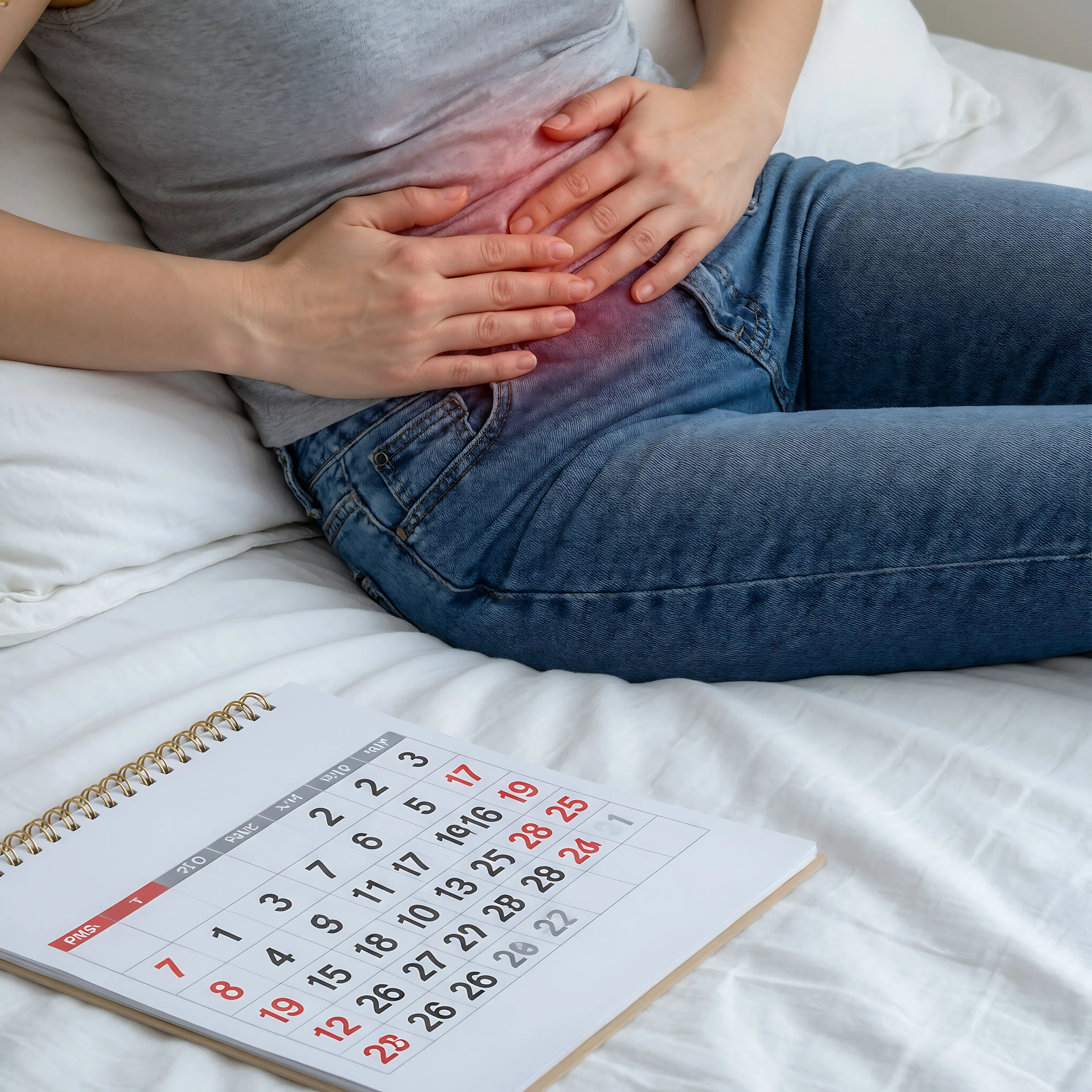
How to Track Your Menstrual Cycle
Learning how to track periods is one of the most useful things you can do for your reproductive health. It reveals your personal normal, helps you anticipate symptoms, and gives your doctor concrete information if something changes.
Calendar Method
Mark the first day of every period on a calendar or in a notebook. After 3 to 6 months, count the days between each start date to find your average cycle length. To predict your next period, count forward from the first day of your last period by that average number.
Period Tracking Apps
Apps built for menstrual cycle tracking let you log start and end dates, flow heaviness, mood, and symptoms. Over time they identify your personal patterns and can alert you to irregularities. Many also flag when you might be approaching ovulation, which is helpful whether you are trying to conceive or simply want to understand your cycle.
Basal Body Temperature (BBT)
Taking your temperature with a sensitive thermometer every morning before getting out of bed can confirm when ovulation has occurred, as BBT rises slightly afterwards. This method is most useful when combined with calendar tracking over several months.